Úvod.
Termín solárna batéria proti litiovej batérii zahŕňa dve odlišné otázky týkajúce sa nákupu. Solárny batéria je definovaná podľa toho, čo robí: ukladá energiu zo fotovoltického systému na neskoršie použitie. Litio vá batéria je definovaná podľa toho, ako ukladá túto energiu: prostredníctvom elektrochemickej technológie založenej na lítii. Jednotka LiFePO4 inštalovaná za solárnym meničom je preto zároveň litiovou batériou aj solárnou batériou.
Porovnanie, ktoré si nákupy skutočne potrebujú, je medzi technológiami batérií používanými v solárnych projektoch. To je zvyčajne znamená porovnávanie povodňového olova-kyseliny, AGM, gely a výrobky na báze lítia v porovnaní s prevádzkovým profilom trh lokality. Pravo. výber závisí od každodenného jazdenia na bicykli, e energia, spotreba energie, prístup na údržbu, priestor na inštaláciu, teplota, očakávaná životnosť projektu a náklady na prestávku.
Pre montérov a systémových integrátorov v prvom rade je to riziko integrácie. Pre distribútorov je to sortiment výrobkov, servisnosť a záručná expozícia. Pre komerčných kupujúcich je to skôr celkové náklady vlastníctva ako počiatočná cena. cena hasenia. Tento článok vysvetľuje logiku rozhodovania potrebnú na porovnanie technológií s tým, že žiadna chemická zložka batérií nie je automatickou odpoveďou pre každý projekte.
__________________________________________________________________________________________________
Čo je solárna batéria? ry?
Solárna batéria je dobíjateľná batéria používaná na uchovávanie elektrickej energie vyrobenej fotovoltaickým panelom. Tento pojem opisuje použitie, nie konkrétnu chemickú zložku. Solárna batéria môže byť založená na olovovo-kyselinovej technológii s otvoreným elektrolytom, AGM, gél, litium-ionová, LiFePO4 alebo iná technológia ukladania energie, pokiaľ je začlenená do systému, ktorý ju nabíja zo solárnej generácie a vyberá energiu pre DC alebo AC záťaže.
V praxi projektu batéria plní tri úlohy. Presúva slnečnú energiu z času jej výroby do času jej spotreby, podporuje záťaže v prípade poklesu výstupu PV a poskytuje energetickú rezervu pri výpadkoch alebo pri prevádzke v odľahlých lokalitách. batériová banka nefunguje izolovane. Jej výkon závisí od fotovoltajickej generácie, riadenia nabíjania, správania invertora, riadenia zaťaženia, káblovania, ochrany a inštalačného prostredia.
Funkcia solárneho úložiska |
Efekt na úrovni projektu |
Posun času |
Prebytok denne PV môže služby večer náklady |
Záložná rezerva |
Vybrané obvody zostávajú napájané počas prerušenia siete prerušenia |
Nezávislosť od siete |
Zariadenia môžu fungovať aj v prípade nedostatku slnečného svetla |
Zníženie používania generátora |
Batéria môže znížiť dobu prevádzky generátora na vzdialených miestach |
Riadenie zaťaženia |
Prevádzkovatelia môžu pri obmedzenom množstve energie uprednostniť kritické záťaže |
Projekt batérie by sa preto mal začať otázkou týkajúcou sa prevádzky: aká energia musí byť dostupná, po akú dobu, s akým výkonom a za akých počasnostných alebo sieťových podmienok? Diskusia o chemickom zložení nasleduje až po definovaní tejto otázky.
__________________________________________________________________________________________________
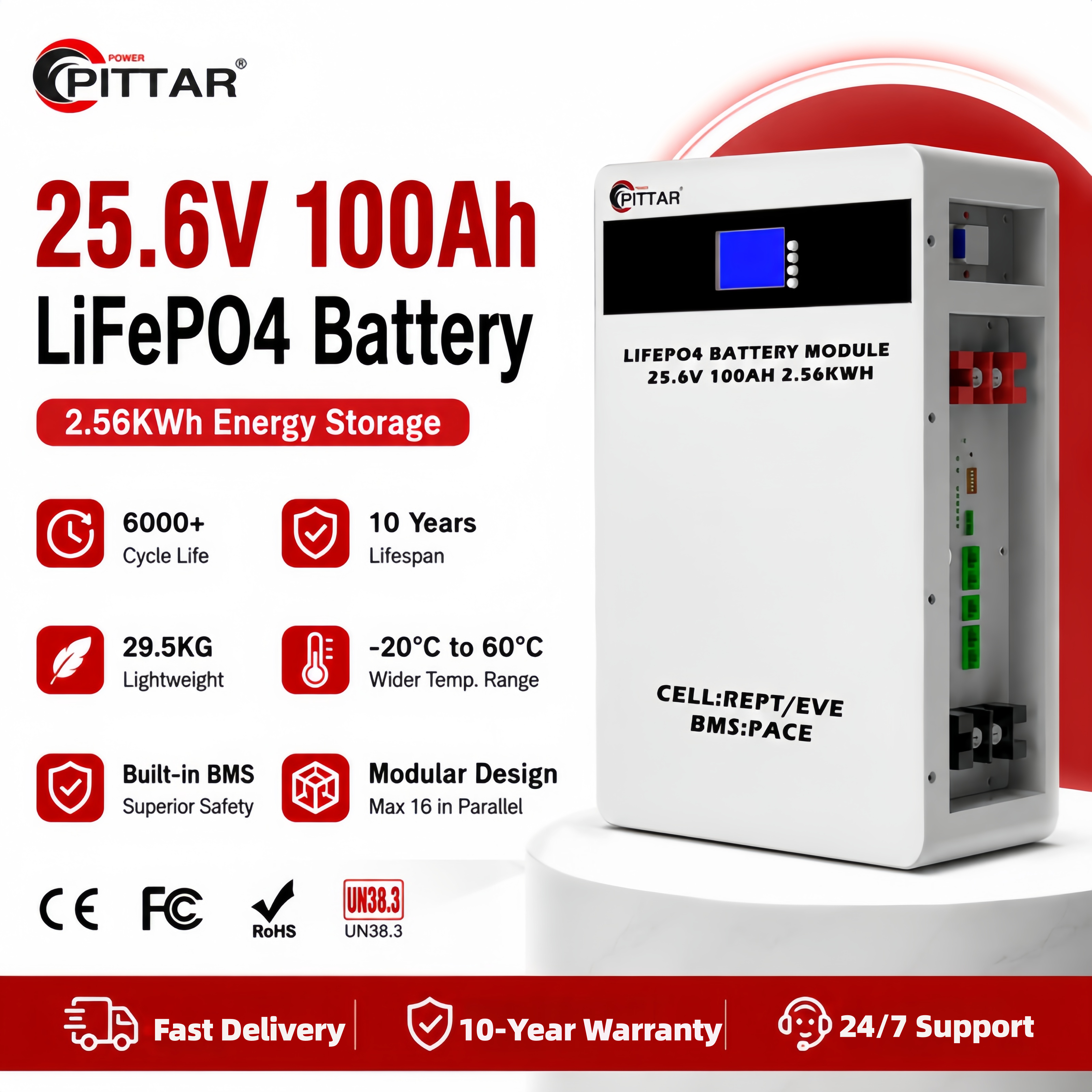
Lítiová batéria je dobíjateľná batéria, ktorá na ukladanie a uvoľňovanie energie využíva materiály založené na lítii. Tento termín zahŕňa niekoľko rôznych chemických zložení s odlišnými kompromismi v oblasti energetickej hustoty, cyklového správania, nákladov, tepelných charakteristík a výkonu schopnosti. Pre stacionárne slnečné úložiská sa často používa lítium-železo-fosfát – LiFePO4 alebo LFP – pretože sa dobre hodí na časté nabíjanie a vybíjanie, má strednú až vysokú využiteľnú kapacitu a vyžaduje minimálnu údržbu.
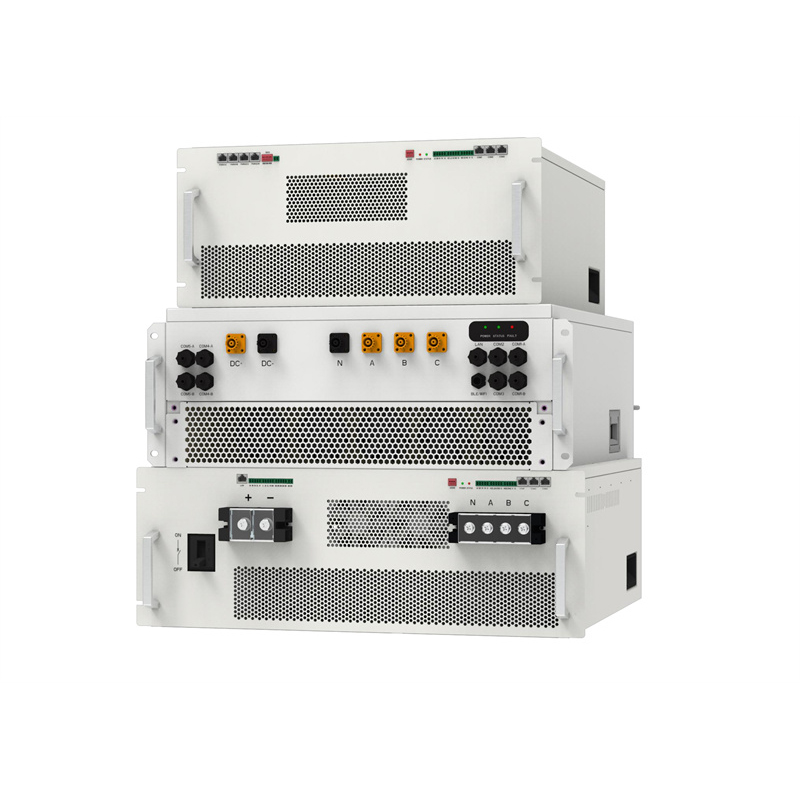
V špecifikácii projektu nie je označenie chemického zloženia batérie postačujúce. Použiteľné riešenie batérie zahŕňa články, prepojovacie prvky, systém na riadenie batérie (BMS), svorky, ochranu, tepelný návrh, komunikačné rozhrania, schválené limity nabíjania a dokumentáciu správania pri poruchách. BMS je obzvlášť dôležitý, pretože monitoruje napätie, prúd, teplotu a stav nabitia a uplatňuje ochranné limity, ak prevádzkové podmienky presiahnu schválený rozsah.
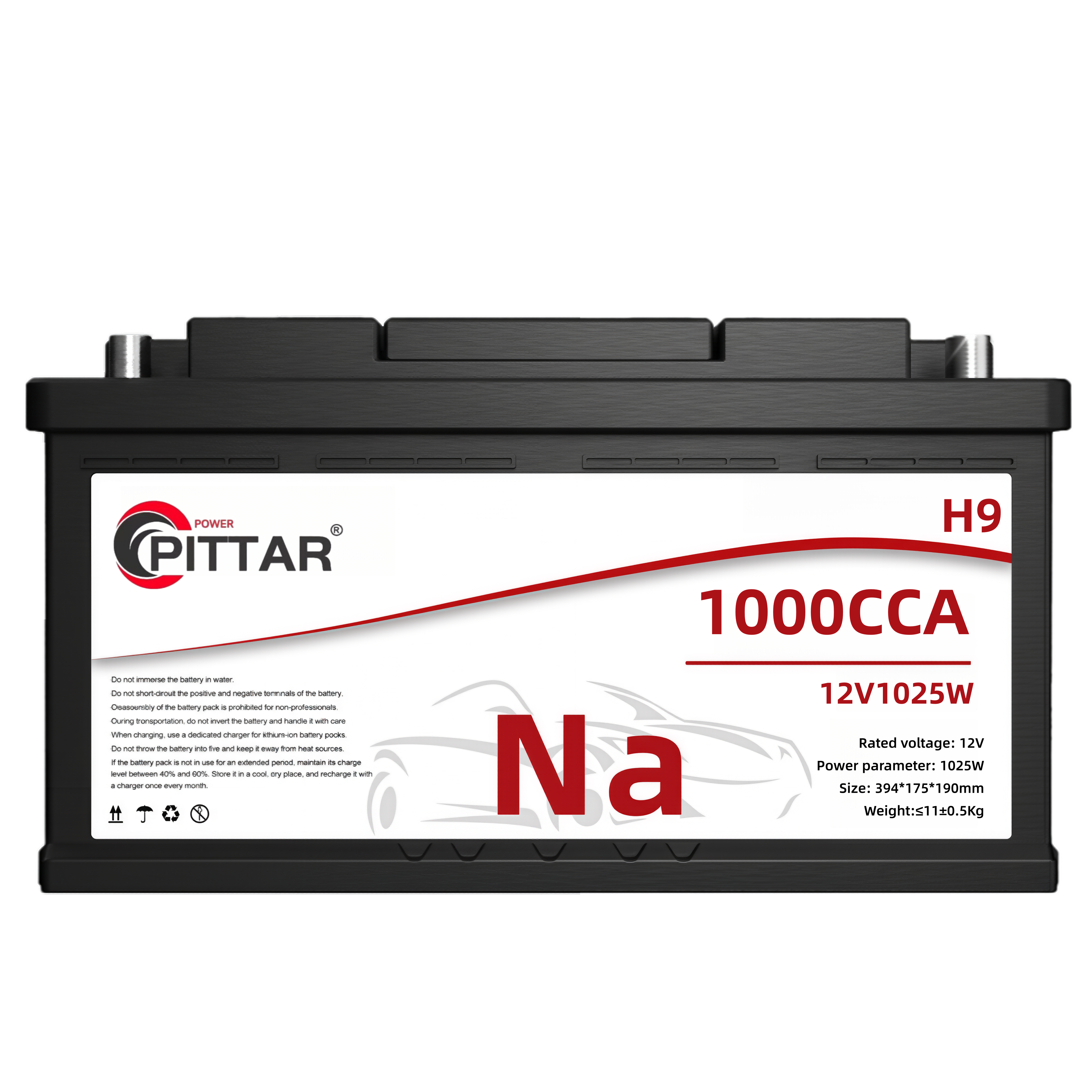
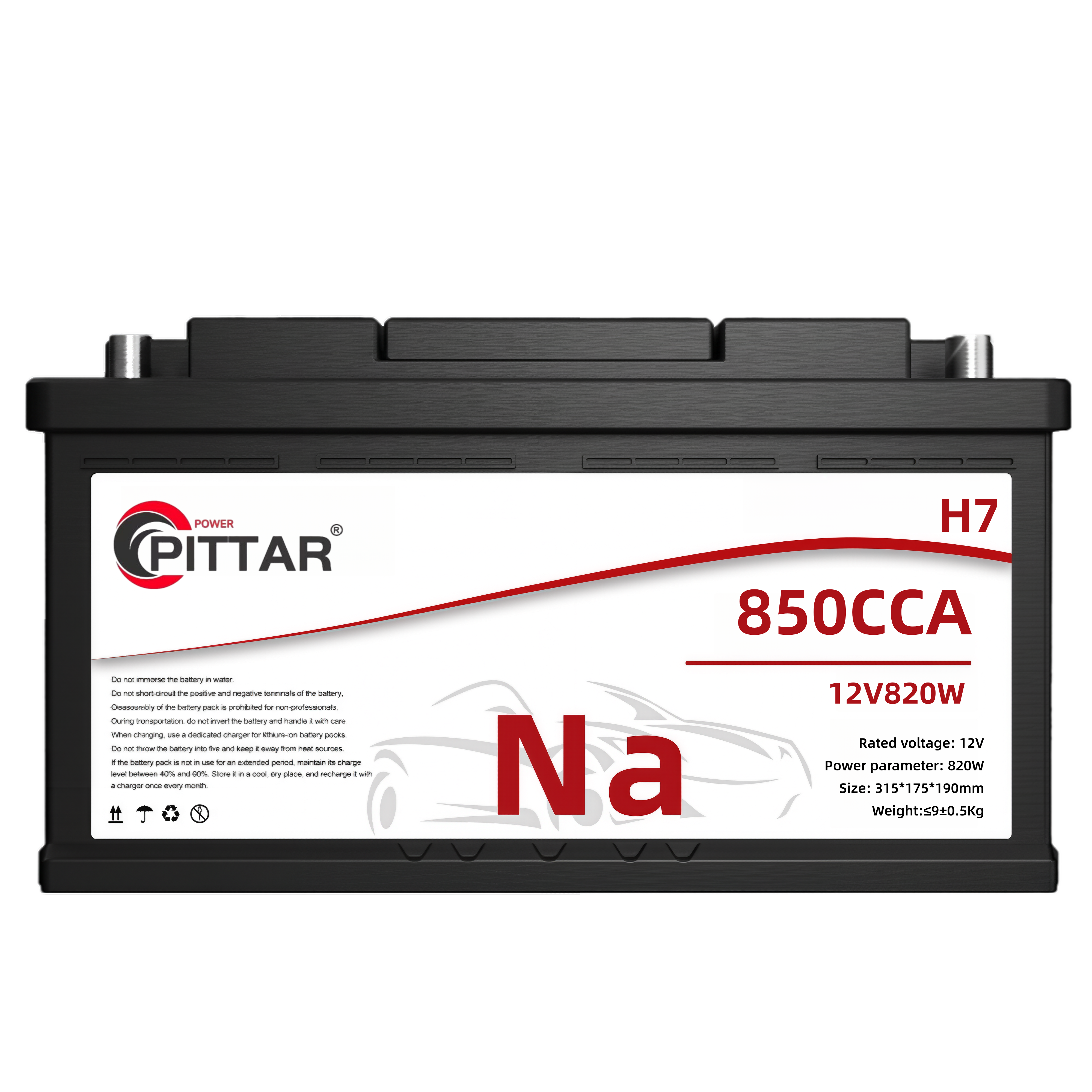
Lítiové produkty sa používajú v rezidenčných úložiskách, off-grid domácnostiach, rekreačných vozidlách (RV), telekomunikačných staniciach, komerčných záložných systémoch a mikro-sietiach. Ich vhodnosť závisí od konkrétneho použitia. Kompaktná batéria môže byť vhodná pre mobilné zariadenia, ale nevhodná pre komerčné zariadenia s vysokým výkonom. Batéria v racku môže dobre fungovať v priestore vybavenia, ale nemusí byť vhodná pre vonkajšiu inštaláciu vystavenú vibráciám bez vhodnej ochrany a konštrukcie upevnenia.
Pre technický základ o technológii lítiových batérií pozrite [Čo je lítiová batéria? ].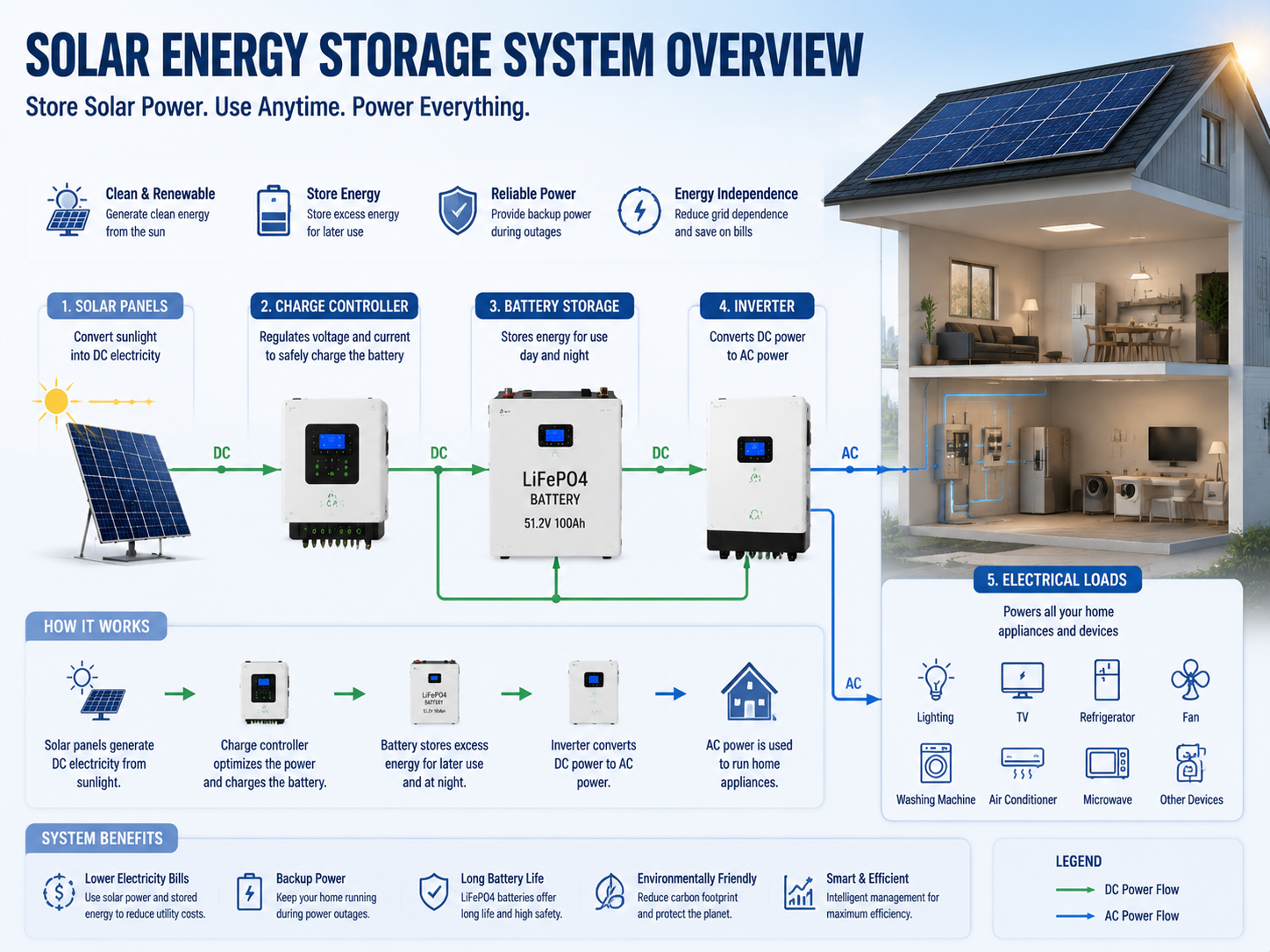
__________________________________________________________________________________________________
Solárna batéria vs. litiová batéria: Ne porozumenie rozdielu
Najjasnejší rozdiel je nasledovný:
To znamená, že tieto dva výrazy nie sú priamymi alternatívami. Solárna batéria môže byť založená na olovenej kyseline, AGM, želových alebo litiových technológiách. litiová batéria sa môže používať na ukladanie solárnej energie, ale môže sa tiež používať v dopravných prostriedkoch, telekomunikáciách, prenosných zariadeniach alebo v priemyselných záložných aplikáciách.
Termín |
Čo popisuje |
Príklad |
Solárna batéria |
Účel ukladania v PV systém |
Batériová banka na ukladanie prebytku fotovoltického výkonu z popoludňa na nočné použitie náklady |
Lítiová batéria |
Elektrochemická technológia |
Modul LiFePO4 s pokročilým systémom riadenia batérií (BMS) ochrana |
Lifepo4 slnečná batéria |
Technológia plus aplikácia kation |
Batériová banka LFP pripojená k hybridnému invertoru |
AGM solárne batéria |
Technológia plus aplikácia kation |
AGM olovo – kyselina batéria v a Rekrečný vozidlo (RV) alebo malé záloha systém |
Toto rozlíšenie mení spôsob, akým by mali kupujúci vyhodnocovať dodávateľov. Požiadavka na „solárnu batériu“ je neúplná, kým kupujúci definuje kapacitu, napätie, výkon, prostredie, nabíjaciu vybavenie, model údržby a návrhovú životnosť . Požiadavka na „lítiová batéria“ je rovnako neúplná, kým kupujúci ne vysvetlí aplikáciu. Výber produktu by mal prekladom oboch termínov do požiadaviek projektu.
__________________________________________________________________________________________________
Porovnanie technológií solárnych batérií
Tradičné oloveno-kyselinové, AGM, gél a lítium-založené úložné produkty sa dajú všetky použiť v solárnych aplikáciách. Ich praktické rozdiely sa prejavujú pri každodennom cyklovaní, čiastočnom solárnom nabíjaní, vysokých teplotách, obmedzenom inštalačnom priestore alebo obmedzenom prístupe na údržbu.
Zaliate oloveno-kyselinové batérie sú stále známe mnohým inštalatérom. Môžu byť dostupné za nižšiu nákupnú cenu a majú už zavedené postupy servisu. Ich obmedzenia sú hmotnosť, potreba vetrania, pravidelná údržba, nižšia využiteľná hĺbka vybíjania pri požiadavke na dlhú životnosť a pomalšie dobíjanie v blízkosti plnej kapacity.
AGM je uzavretý formát olova-kyseliny. Vyhýba sa napájanie elektrolytom a môže byť užitočné v niektorých zálohy, RV, a námornej aplikácie. Stále si vyžaduje správny profil nabíjania a má v sebe obmedzenia hmotnosti a cyklu, ktoré je charakteristické pre technológiu olova a kyseliny pri častom hlbokom vybití.
Želové batérie používajú želený elektrolyt a sú tiež zapečatené. Môžu sa prispôsobiť vybraným aplikáciám, kde ich požiadavky na nabíjanie sú dobre pochopené. Ich nabíjacie správanie môže byť menej odpúšťajúce, keď sú ovládače nesprávne nakonfigurované a ich rýchlosť prijatie nabíjania môže obmedziť obnovenie slnečnej energie v niektorých systémoch.
Litiové a LiFePO4 produkty vo všeobecnosti poskytujú vyššiu použiteľnú energiu, silnejší príjem nákladu a nižšiu bežnú údržbu pre projekty, ktoré často cyklujú. Tieto výhody je potrebné zvážiť proti vyšším počiatočným nákladom, komponentom kompatibilita, správanie BMS, podpora dodávok a expanzia politiky.
Rozhodujúci faktor |
Záplavová olovená batéria |
AGM |
Gél |
LiFePO4 |
Životnosť pod slnečné pole |
Často kratšie keď opakovane hlboko cyklované |
Závislé od profilu nabíjania a hĺbky cyklu |
Závislé od profilu nabíjania a hĺbky cyklu |
Často dlhšie v systémoch s častým cyklovaním keď je správne nakonfigurované |
Použiteľná kapacita pri porovnateľných nominálny výkon |
Zvyčajne nižšia pri dlhodobom používaní životnosť |
Stredná |
Stredná |
Často vyššia |
Časté cyklovanie prípustnosť |
Obmedzené hlbokým stresom pri vybíjaní |
Lepšie ako v niektorých zaplavené použitie |
Aplikácia – závislý |
Často silný keď správne nakonfigurované |
Efektívnosť |
Zvyčajne nižšie, najmä keď nabíjanie sa blíži plná kapacita |
Mierne a citlivé na profil používania |
Mierne a citlivé na profil používania |
Zvyčajne vyššie v rámci schválený prevádzkový obmedzenia |
|
Rutina údržba |
Vyššia |
Nízka |
Nízka |
Nízka |
Hmotnosť a stopa |
Vysoká |
Vysoká |
Vysoká |
Nižší pre porovnateľné použiteľná energia |
Teplota |
Vetrácia a |
Profil nabíjačky |
Profil nabíjačky |
BMS, teplota |
a ochranu |
elektrolyt |
a |
a |
limity a elektronika |
zohľadnenia |
správa |
teplota |
teplota |
integrácia |
Počiatočná cena |
Často nižšia |
Stredná |
Stredná |
Často vyššia |
Životný cyklus náklady v ďENNÁ POTREBA |
Môže stúpať prostredníctvom náhrady a práca |
Projekt- závislý |
Projekt- závislý |
Často výhodné, ak jazda na bicykli je častá |
Toto sú smerové porovnania, nie náhrada za technické údaje špecifické pre daný model. Dĺžka životnosti podľa kalendára a životnosť v cykloch sú súvisiace, ale nie totožné: záložný akumulátor používaný len občas sa starnie predovšetkým s časom, zatiaľ čo akumulátor denného prenášania solárnej energie je viac ovplyvnený svojím profilom cyklov. Životnosť v cykloch závisí od hĺbky vybíjania, rýchlosti nabíjania a vybíjania, teploty a definície kapacity na konci životnosti. Pri nákupnom posúdení by sa mali produkty porovnávať za rovnakých skúšobných podmienok, namiesto porovnávania hlavných tvrdení z rôznych technických údajových listov.
__________________________________________________________________________________________________
Prečo sú lítiové batérie Stávajú sa populárnymi pre úložisko solárnej energie
Úložisko solárnej energie už nie je len občasnou zálohou. Mnohé projekty teraz používajú batérie každý deň na presun energie do večerných hodín, zníženie prevádzky generátorov, podporu vzdialených záťaží alebo riadenie obmedzení siete. Tento režim prevádzky mení kritériá výberu. tento režim prevádzky mení kritériá výberu.
Časté nabíjanie a vybíjanie. Batéria v každodennom slnečnom systéme musí prijať energiu počas dostupného fotovoltického okna a neskôr ju uvoľniť bez vytvárania nadmerných prevádzkových strát. LiFePO4 sa často zvažuje, pretože dokáže podporovať opakované cykly, ak sú prúd, teplota a hĺbka vybíjania udržiavané v schválených limitoch. Praktickou výhodou nie je počet cyklov izolovane; ide o schopnosť navrhovať systém okolo predvídateľného každodenného prevádzkového režimu.
Obmedzený prístup na údržbu. Na odľahlej lokalite môže byť pravidelná údržba batérií drahá. Zaliate oloveno-kyselinové batérie môžu byť použiteľné tam, kde sú plánované návštevy lokality a operátori dokážu udržiavať úroveň elektrolytu a požiadavky na vetranie. Ak sú návštevy zriedkavé, údržbová záťaž sa stáva komerčným problémom. Hodnota nižšej pravidelnej údržby môže byť významná pre telekomunikačné kryty, vidiecke komerčné lokality, farmy a rozptýlené rezidenčné portfóliá.
Vyšší požiadavka na využiteľnú energiu. Keď sa domáce zariadenia, chladenie, komunikačné vybavenie, čerpadlá a prístroje s meničmi stávajú častejšie, kupujúci potrebujú viac využiteľných kWh v rámci definovaného priestoru. chemické zloženie, ktoré umožňuje vyšší podiel využiteľnej kapacity z nominálnej kapacity, môže znížiť priestor pre skriňu, hmotnosť pri preprave a zložitosť inštalácie.
Dlhodobé požiadavky na prevádzku. Systém určený na rokovú prevádzku sa musí posudzovať podľa celkovej prevedenej energie, zachovania kapacity, procesu údržby a dostupnosti modulov. nízka počiatočná cena môže stratiť svoju výhodu, ak sú krátke intervaly výmeny, náklady na prácu, palivo pre generátor alebo riziko výpadku veľké.
Pre kupujúcich, ktorí prechádzajú od všeobecného záujmu k procesu výberu technológií, pozrite sa na [ Najlepšia litiová batéria pre solárne úložisko ].
__________________________________________________________________________________________________
Ako ako vybrať správna batéria pre solárny systém
Správna batéria sa vyberá na základe profilu zaťaženia a prevádzkového plánu, nie len podľa označenia chemického zloženia. Pred vyžiadaním ponúk sa musia zodpovedať nasledujúce otázky.
Spotreba energie. Určte e denné kWh, ktoré musí batéria podporovať. Oddeľujte základné zaťaženie od flexibilného zaťaženia. A chladiace zaťaženie, komunikačný obvod a vodné čerpadlo môžu mať veľmi rôzne dôsledky pre rozmery skladovania.
Požiadavky na zálohovanie. Rozhodnúť, či batéria je potrebná na večernú sebakonsumáciu, niekoľko hodín kritickej zálohovania, jeden časové obdobie cez noc alebo viac dní autonómie mimo siete. Viac záložného času vyžaduje viac použiteľnej energie a obvyklé viac PV kapacita na obnovu batéria po vybití.
Kapacita batérie a výkon. Kapacita v kWh určuje trvanie. Výkon v kW alebo schopnosť prúdu určuje, čo môže bežať súčasne. Spustenie motora a kompresorov alebo špičkové zaťaženie môžu ovplyvniť požiadavky na invertor a BMS, aj keď je denná spotreba energie skromná.
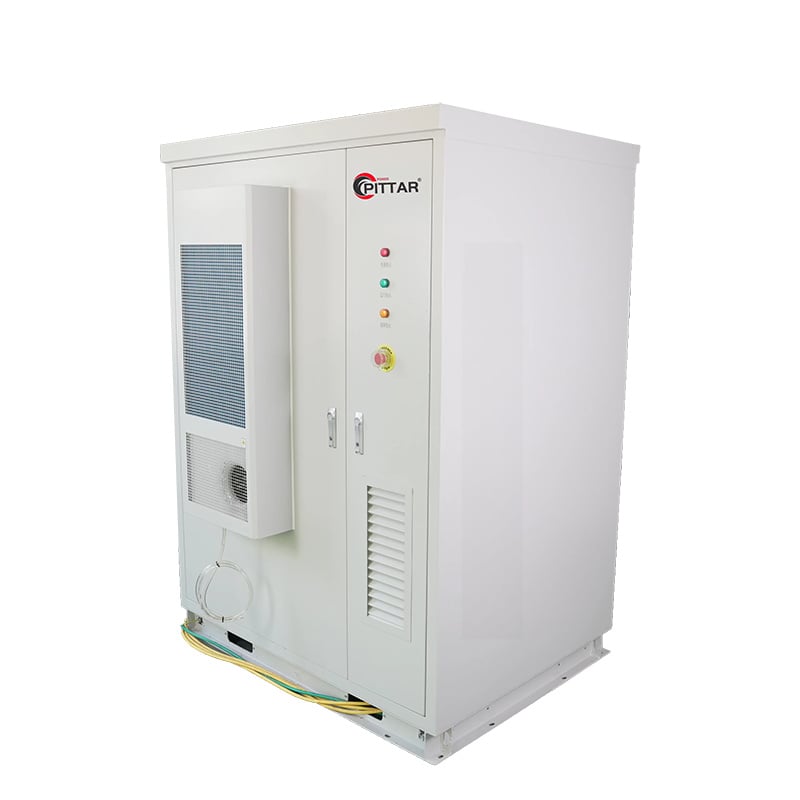
Inštalačné prostredie. Teplota, vlhkosť, prach, vibrácie, expozícia soli, vetranie a prístup na údržbu všetko ovplyvňuje špecifikáciu batérie. Batériová miestnosť v horúcom vnútornom prostredí, priestor v rekreačnom vozidle, vonkajšia skriňa a pobrežná telekomunikačná zariadenie uzavretie by sa nemalo považovať za to isté prostredí.
Rozpočet a celkové náklady počas životnosti. Posúďte nákupnú cenu spolu s využiteľnou energiou, pravdepodobnosťou výmeny, pracovnou silou na údržbu, logistikou dodávok, záručnými podmienkami, prevodnou účinnosťou a výpadkami prevádzky. Príslušnou metrikou je často cena za využiteľný dodaný kWh využiteľný dodaný kWh počas plánovaného obdobia prevádzky.
Budúce rozšírenie. Potvrďte, či sa batéria môže rozšíriť paralelnými modulmi, či nové moduly musia zodpovedať veku a firmvéru, či invertor podporuje cieľovú kapacitu kapacita a či PV pole dokáže znovu nabíjať väčšiu batériovú banku.
Politika rozširovania by mala byť známa pred tým, ako bude umiestnená prvá objednávka.
Otázka od kupujúceho |
Technické dôkazy na vyžiadanie |
Ako veľa energia is použiteľný ? |
Nominálny kWh, nastavený DoD, politika rezervy, predpoklady účinnosti |
Môže trh banka podpora maximálny náklady ? |
Trvalý a špičkový prúd, BM Limit S, údaje o preťažení invertora |
Bude to fungovať s the i invertorom? |
Schválený zoznam kompatibilných zariadení, protokol, požiadavky na firmvér zákazníkov |
Je záruka porovnateľná? |
Zachovanie kapacity, prevedená energia, výnimky, proces uplatňovania nárokov |
Do klimatických podmienok miesta? |
Rozsah teplôt pri nabíjaní/vybíjaní, ochranný kôš, vykurovanie alebo vysavač potreba vetrania |
Môže it váha neskôr ? |
Pravidlá modulov, obmedzenia pre stojany, Plán znovunabíjania zo solárnych panelov, dostupnosť podpory |
__________________________________________________________________________________________________
Batéria LiFePO4 v porovnaní s tradičnými batériami pre solárne systémy
LiFePO4 sa široko považuje za vhodnú technológiu pre moderné solárne úložné systémy, pretože vyhovuje niekoľkým bežným požiadavkám projektov: opakované cyklovanie, obmedzený prístup na údržbu, vyššie požiadavky na využiteľnú kapacitu, modulárna inštalácia a monitorovanie systému. Nie je však vždy správnou voľbou.
Sezónna kabina s ľahkými zaťaženiami, existujúce vybavenie na nabíjanie olovených akumulátorov, dostatok miesta na inštaláciu a prísny kapitálový rozpočet môžu stále ospravedlniť použitie AGM alebo záplavových olovených akumulátorov. Vzdialený systém s denným cyklením, drahými terénnymi návštevami, obmedzeným miestom v skrinke alebo potrebou rýchleho využitia slnečnej energie môže viac oceniť LiFePO4. Rozdiel vyplýva z prevádzkových ekonomických faktorov, nie z obchodnej značky.
Podmienky použitia |
Smer technológie na vyhodnotenie |
Denná sebepotreba slnečnej energie tion |
LiFePO4 sa často oplatí vyhodnotiť z hľadiska správania pri cyklení a využiteľnej energie |
Vzdialené off-grid zaťaženia |
LiFePO 4 môže zmenšiť služba záťaž ak trh systém is správne navrhnuté |
Rekrečný vozidlo (RV) alebo mobil solárne |
Nižší hmotnosť a použiteľný kapacita môže uprednostňujú LiFePO 4 |
Nízkocyklová núdzová rezerva |
AGM alebo želé mohli zostať komerčne vyhovujúce |
Dedičstvo olovo – kyselina systém |
Porovnajte kompatibilitu úpravy existujúcich systémov, profil nabíjačky a náklady na výmenu |
Komerčné miesto so zárukou poskytovania služby (SLA) |
Posúďte monitorovanie, záručnú podporu, výmenu modulov a riziko výpadku prevádzky |
Pre kupujúcich, ktorí posudzujú diaľkové a autonómne projekty, pozrite sa na [ LiFePO4 batéria pre mimo sieťové slnečné systémy ].
Špecifikácia by mala zohľadniť aj faktory mimo chemického zloženia. Opýtajte sa, či riadiaca jednotka batérie (BMS) poskytuje významné upozornenia, či je k dispozícii diaľkové monitorovanie, či je podporovaná komunikácia medzi batériou a invertorom a či je technická dokumentácia dostatočná pre miestnych inštalatérov. technicky vyspelá batéria môže stále spôsobiť oneskorenia, ak sú procesy integrácie a služieb po predaji neefektívne.
__________________________________________________________________________________________________
Bežné chyby Pri výbere batérie na slnečné úložné systémy
Výber iba na základe počiatočnej ceny. Nákupná cena is viditeľná; náklady na výmenu, straty prevádzkových hodín, palivo pre generátor, lokalita návštevy a nedostupná využiteľná kapacita sa často nezohľadňujú. Rozhodnutie založené iba na prvej faktúre môže viesť k vyšším celkovým nákladom počas životnosti systému. em životnosť .
Zanedbávanie využiteľnej kapacity. Menovitá kapacita nie je rovnaká ako energia dostupná pre záťaž. Využiteľná hodnota závisí od hĺbky vybitia (DoD), nastavení rezervy batérií, účinnosti systému, teploty a prevádzkových limít. Pri porovnávaní ponúk by mali byť špecifikované využiteľné kWh v plánovanej konfigurácii. využiteľné kWh v plánovanej konfigurácii.
Ignorovanie požiadaviek cyklov. Záložný systém a denný systém posunutia solárnej energie kladú rôzne požiadavky. Kupujúci by mali požiadať o údaje o cykloch za príslušných skúšobných podmienok a porovnať podmienky záruky pre udržanie kapacity alebo priepustnosť. udržanie kapacity alebo priepustnosť.
Považovanie budúceho rozšírenia za problém na neskoršie riešenie. považovanie budúceho rozšírenia za problém na neskoršie riešenie. Pridanie druhej batériovej banky môže vyžadovať zhodu modelu, veku modulov, firmvéru, Komunikácie BMS, hardvéru stojanov a kapacity invertora, a kapacity nabíjania zo solárnych panelov. Ak tieto podmienky nie sú v pôvodnom návrhu riešené rozšírenie sa môže stať náhradou celého cementového projektu.
Výber nekompatibilných komponentov. Batéria, menič, regulátor, káble, odpojovacie zariadenia, ochranné zariadenia a monitorovací systém musia fungovať ako súladný celok. Nesprávne profily nabíjania, nepodporované komunikačné protokoly, nedostatočná prúdová kapacita alebo chýbajúca ochrana pred teplotou vytvárajú riziká pri uvedení do prevádzky a počas záruky. schopnosť, alebo chýbajúca ochrana pred teplotou vytvárajú riziká pri uvedení do prevádzky a počas záruky. schopnosť, alebo chýbajúca ochrana pred teplotou vytvárajú riziká pri uvedení do prevádzky a počas záruky.
Považovanie klímy za vedľajšiu záležitosť. Vysoká teplota môže urýchliť starnutie, zatiaľ čo nízka teplota môže obmedziť nabíjanie a dostupnú kapacitu. Lokalita podmienky by mali určiť konštrukciu obalu, vetrácie, vykurovanie, umiestnenie inštalácie a plánovanie prevádzky pred vybavením is objednané.
Riziko v procese nákupu |
Lepší kupujúci Akcia |
Porovnanie ponúk Iba Ah |
Preveďte každú možnosť na použiteľnú kWh pri zamýšľanej napäťovej úrovni a hĺbke vybitia (DoD) |
Jazyk záruky je nejasný |
Požiadajte o kapacitu, výkon, výnimky a postup uplatňovania nárokov |
No načítať plán existuje |
Požadujú sa denné kWh, špičkové kW a preťaženie v tvorbu |
Inverter je už v poriadku. |
Pred objednaním overte komunikáciu batérie a limity prúdu |
Budúce zaťaženia sú určitý |
Rezervovať fyzické ,elektrické ,a PV kapacita pre expanzia |
__________________________________________________________________________________________________
Často Položené otázky
Je lítiová batéria lepšia? - Na solárne skladovanie? Litium, najmä LiFePO4, je často vhodný na skladovanie, kde sa cykly skladovania často menia. prístup na údržbu je obmedzený d) je potrebné integrovať systém moderného monitorovania. Nie je. automaticky lepšie pre každý projekt. Nízky cyklus, rozpočet i. alebo staršie aplikácie môžu stále používať kyselinu olova, AGM alebo gél výrobky sú účinné, ak sa prijmú ich limity.
Aký typ batérie je pre solárne systémy najlepší? Neexistuje univerzálna voľba. Správna technológia závisí od každodenných rgy dopyt, trvanie zálohovania, frekvencia cyklu, dostupná údržba, teplota, inštalácia obmedzenia činnosti, vybavenie kompatibilita a životný cyklus a. LiFePO4 sa široko hodnotia pre rezidenčné, off-grid, RV a komerčné projekty, pretože vyrovná sa s mnohými vysokými cyklami e žiadosti.
Ako dlho vydržia solárne lítiové batérie? Skutočná životnosť závisí od profilu cyklov, hĺbky vybíjania , teploty, správania sa pri nabíjaní, ochrany BMS, návrhu systému a údržby. Kupujúci by mali preskúmať podmienky testovania cyklov, záruky udržania kapacity a podmienky záruky prenesenej energie namiesto toho, aby sa spoliehali len na jediné ročné tvrdenie. sú batérie LiFePO4 vhodné pre off-grid slnečné systémy? Používajú sa široko v off-grid projektoch, pretože poskytujú výborný
Výkon pri hlbokom vybíjaní, majú vysokú životnosť a sú bezpečné. vysoká využiteľná kapacita, efektívne nabíjanie a nižšie pravidelné údržbové náklady. Konečná vhodnosť závisí od rozmerovania, ochrany pred nízkymi teplotami, kompatibility invertora a regulátora, stratégie generátora a miestnej servisnej schopnosti.
__________________________________________________________________________________________________
Záverečné úvahy pred Výberom solárneho akumulátora
Rozumné rozhodnutie o nákupu by malo končiť kontrolným zoznamom projektu namiesto všeobecnej technologickej preferencie:
Najsilnejšie projekty solárneho ukladania energie nie sú postavené okolo tvrdenia o chemickom zložení. Sú postavené okolo zdokumentovaného profilu zaťaženia, kompatibilného vybavenia, spoľahlivej ochrany, realistických prevádzkových podmienok a dodávateľa, ktorý dokáže podporovať systém počas celej plánovanej životnosti. kompatibilného vybavenia, spoľahlivej ochrany, realistických prevádzkových podmienok a dodávateľa, ktorý dokáže podporovať systém počas celej plánovanej životnosti. kompatibilného vybavenia, spoľahlivej ochrany, realistických prevádzkových podmienok a dodávateľa, ktorý dokáže podporovať systém počas celej plánovanej životnosti.
 Horúce správy
2026-08-20
2026-08-16
2026-08-12
2026-08-03
2026-07-30
2026-07-26

Pittar Power je profesionálny výrobca špecializujúci sa na riešenia pre ukladanie energie.
Iba 302, budova 1, číslo 10, Huangjin First Road, okres Nancheng, mesto Dongguan, provincie Guangdong, Čína
Autorské práva © Shenzhen Pittar Power Co., Ltd. Všetky práva vyhradené Zásady ochrany súkromia
 EN
EN