The global energy storage sector experienced significant changes throughout 2025, and industry attention is now shifting toward the technological direction of 2026. Although lithium-ion batteries continue to dominate the market, growing pressure from AI-driven electricity demand, expanding data centers, wildfire safety concerns, and stricter supply chain regulations is accelerating interest in alternative battery technologies and longer-duration storage systems.
Industry experts believe the next phase of energy storage development will focus not only on cost reduction, but also on safety, reliability, supply chain resilience, and grid flexibility.
Longer-Duration Energy Storage Gains Importance
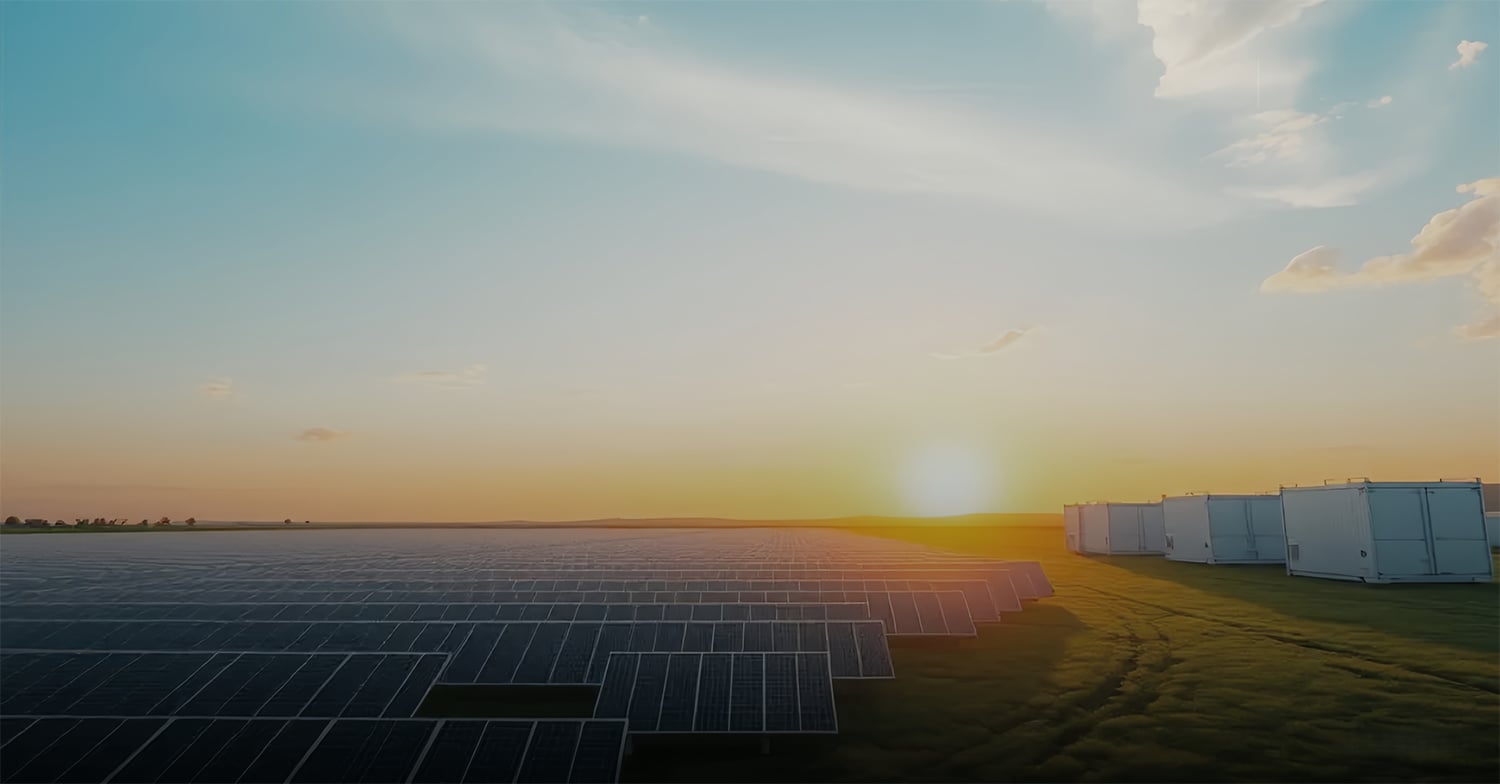
Long-duration energy storage is expected to transition from a specialized solution into a core component of modern energy infrastructure. As renewable energy penetration increases, utilities and grid operators are looking for storage systems capable of delivering power over extended periods while maintaining grid stability.
Future electricity markets are also expected to evolve in ways that better align renewable generation with industrial electricity demand. This shift could create additional revenue opportunities for energy storage projects through applications such as energy arbitrage, peak shaving, and congestion management.
At the same time, the rapid expansion of AI data centers is increasing demand for storage systems capable of providing stable backup power and continuous grid support. Many experts believe hybrid energy systems combining multiple technologies will become increasingly common in large-scale infrastructure projects.
Safety Concerns Drive Interest in Non-Flammable Batteries
Battery safety is becoming a more important consideration, particularly in regions vulnerable to wildfires and extreme weather conditions. This is increasing market interest in non-flammable battery chemistries and safer storage technologies.
Industry observers believe future procurement standards and permitting processes may increasingly favor storage systems with improved fire resistance and lower thermal runaway risks. Major battery-related fire incidents over recent years have also intensified discussions around safety standards for large-scale energy storage deployment.
Alternative Battery Chemistries Continue to Expand
While lithium-ion batteries remain the leading technology, non-lithium energy storage solutions are steadily gaining momentum. Sodium-ion batteries, flow batteries, and other emerging chemistries are attracting growing investment as manufacturers prepare for future commercial deployment.
Although 2026 may not bring an immediate large-scale market shift away from lithium-ion, many companies are already designing and building new production facilities dedicated to alternative battery technologies.
The increasing overlap between electric vehicle supply chains and stationary energy storage manufacturing is also encouraging greater development of domestically produced battery systems and diversified chemistry solutions.
Industry analysts note that falling lithium-ion battery prices could temporarily slow the adoption of alternative technologies. However, geopolitical concerns, supply chain security, and trade tensions are becoming equally important decision-making factors alongside cost.
Recycling and Domestic Processing Become Strategic Priorities
Battery recycling and local material processing are expected to become essential parts of the future energy storage supply chain.
As governments push for localized manufacturing and domestic battery production, companies are under growing pressure to establish regional recycling systems and reduce dependence on overseas processing facilities.
Many industry participants believe future market leaders will not simply manufacture batteries, but will also build fully integrated local recycling and material recovery ecosystems that support long-term supply chain sustainability.
At the same time, the declining cost and improving performance of new batteries may reduce the economic attractiveness of reusing older storage systems, making recycling the preferred end-of-life solution for many projects.
Standalone Energy Storage Sees Growing Value
Energy storage is no longer viewed solely as a supporting technology for solar projects. Standalone battery systems are increasingly recognized as critical infrastructure capable of improving grid reliability and supporting rapidly growing electricity demand centers.
This trend is particularly important for AI-driven data centers, which require highly reliable and flexible power systems to maintain continuous operation.
Supply Chain Regulations Reshape the Market
New regulations related to supply chain compliance and foreign sourcing are expected to significantly impact the battery storage industry over the next several years.
Developers are already facing higher project costs due to tariffs, import restrictions, and evolving domestic content requirements. These policies are encouraging battery manufacturers and project developers to diversify sourcing strategies and accelerate investment in local manufacturing capabilities.
At the same time, stricter regulations are increasing interest in battery chemistries and supply chains that can reduce dependence on geopolitically sensitive regions.
Domestic Manufacturing Becomes Essential
Localized supply chains are rapidly becoming a necessity rather than a competitive advantage.
Customers increasingly prioritize reliable delivery schedules, domestic compliance standards, and end-to-end quality control when selecting battery suppliers and energy storage partners.
Industry leaders believe companies that invest early in secure, scalable, and diversified supply chains will be better positioned to meet future demand, particularly as AI infrastructure and grid modernization projects continue to expand.
Permitting Reform and Private Investment Could Accelerate Growth
Energy industry participants also expect permitting reform and transmission infrastructure improvements to become major priorities in 2026.
Faster permitting processes, modernized grid technologies, and increased private investment could help accelerate renewable energy deployment and improve power delivery to high-demand regions.
Many experts believe this combination of regulatory reform and private capital investment could significantly strengthen grid reliability and support long-term clean energy growth.
AI and Data Centers Raise Performance Standards
The rapid growth of AI infrastructure is placing new demands on energy storage performance.
Energy storage systems are increasingly expected to deliver not only capacity, but also highly reliable, bankable, and high-density performance near major electricity demand centers.
As interconnection delays continue to slow grid expansion, battery storage is emerging as one of the fastest and most cost-effective ways to provide flexible power capacity.
The AI boom is also increasing interest in non-flammable and non-lithium storage technologies. Some alternative battery systems, particularly flow batteries, are considered better suited for applications requiring frequent daily cycling and long operational lifespans.
In addition, advances in AI-driven battery management systems and intelligent manufacturing technologies are helping improve energy storage reliability, efficiency, and operational safety across both utility-scale and commercial applications.
Overall, the energy storage industry is entering a new phase where technology diversity, supply chain resilience, safety, and long-duration performance are becoming just as important as price competitiveness.
 Hot News
2026-08-20
2026-08-16
2026-08-12
2026-08-03
2026-07-30
2026-07-26

Pittar Power is a professional manufacturer specializing inenergy storage solutions.
Room 302, Building 1, No. 10, Huangjin First Road, Nancheng District, Dongguan City, Guangdong Province, China
Copyright © Shenzhen Pittar Power Co., Ltd. All Rights Reserved Privacy Policy
 EN
EN