Introduction.
A LiFePO4 Battery for Off-Grid Solar Systems is not simply a replacement for a generator or a lead-acid battery bank. It is the energy buffer that determines whether a remote solar project can supply loads predictably after sunset, through unstable weather, and during periods when production does not match consumption.
Installers and procurement teams usually meet the same challenge from different directions. The installer must make the solar array, controller, inverter, battery bank, protections, and monitoring platform operate as one system. The buyer must decide how much usable energy, power capability, autonomy, warranty coverage, and service support the project really requires. Both decisions become expensive when battery capacity is selected before the load profile is understood.
LiFePO4 has become a common choice for off-grid solar because its deep-cycle behavior, usable capacity, charge acceptance, and maintenance profile fit systems that operate every day. That does not make every LiFePO4 product suitable for every project. A battery bank for a weekend cabin, a farm pump, a telecom shelter, and a remote clinic can share the same chemistry while needing very different electrical and commercial specifications.
This guide focuses on the buyer questions that matter in a project review: what the battery does, why LiFePO4 is used, how the system uses it, and how to evaluate a battery solution before issuing a purchase order.
__________________________________________________________________________________________________
What Is a LiFePO4 Battery for Off-Grid Solar Systems?
LiFePO4, or lithium iron phosphate, is a rechargeable lithium battery chemistry commonly used where a battery must store energy and deliver it repeatedly over many charge-discharge cycles. In an off-grid solar project, the battery bank receives DC energy from the PV system, holds it until loads require it, and supplies the inverter or DC loads when sunlight is insufficient.
The chemistry is only one layer of the product. A deployable off-grid battery solution also includes cells, electrical interconnects, a Battery Management System (BMS), enclosure, terminals, fuses or external protection interfaces, communication capability, thermal considerations, and documentation for charge and discharge limits.
For a system integrator, the key question is not simply "is it LiFePO4?" It is whether the complete battery solution fits the application:
Project Requirement |
Battery Specification to Review |
Nighttime energy demand |
Usable kWh at configured DoD |
Simultaneous appliance loads |
Continuous discharge power and BMS current limit |
Motor or compressor starts |
Inverter surge rating and battery peak-current behavior |
Local climate |
Charge/discharge temperature window and heating option |
Remote operation |
BMS alarms, communications, and monitoring integration |
Future expansion |
Approved parallel/series rules and module consistency |
Service model |
Warranty scope, spares, diagnostic process, documentation |
Solar panels produce energy when irradiation is available. The battery bank makes that energy dispatchable. The inverter turns stored DC energy into AC for appliances, pumps, refrigeration, communications equipment, and other loads. The controller or hybrid inverter controls how PV energy charges the battery. Those functions must be matched through voltage, current, control settings, and communications.
For a detailed battery technology foundation, see [What Is a Lithium Battery?] .
__________________________________________________________________________________________________
Why LiFePO4 Batteries Are Suitable for Off-Grid Solar Applications
Off-grid duty is different from standby duty. A backup battery in a grid-connected building may sit at a high state of charge for weeks. An off-grid battery can cycle every day, recover from partial solar generation, support high evening loads, and operate in a location where a technician cannot visit quickly. These conditions make lifecycle behavior and serviceability more important than headline capacity.
Cycle life matters only in operating context. LiFePO4 is selected partly because it can provide a high number of charge-discharge cycles under specified conditions. The practical value comes from how that cycle performance aligns with daily solar use. A battery that cycles moderately, remains within its temperature limits, and receives a correct charging profile will normally deliver a different lifetime outcome from the same model repeatedly pushed to its discharge limit in a hot enclosure.
When comparing suppliers, ask for the cycle-life test basis: DoD, charge rate, discharge rate, temperature, and remaining- capacity definition. A cycle number without these conditions is not sufficient for a procurement comparison.
Usable energy affects the whole system design. LiFePO4 systems often permit a larger share of nominal capacity to be used in normal operation than traditional lead-acid systems. This can reduce the installed nominal kWh needed to achieve a target usable energy reserve. It also affects shipping weight, cabinet space, racking, and installation labor.
The design team should still reserve capacity for bad weather, battery aging, cold conditions, and critical-load continuity. High usable DoD is an operating capability, not a reason to eliminate all reserve margin.
Charge acceptance shapes PV utilization. In an off-grid system, the battery must accept energy during the available solar window. LiFePO4 batteries can generally accept charging efficiently when the controller, inverter, battery limits, and temperature conditions are aligned. This helps projects capture solar production during short winter days or intermittent weather, but only if PV capacity and charge equipment are correctly sized.
Maintenance changes operating cost. Flooded lead-acid batteries may require watering, equalization, ventilation management, and more frequent inspection. LiFePO4 eliminates some of these routine tasks, but it does not eliminate maintenance responsibility. The operator still needs to check battery temperature, BMS events, charge behavior, cable condition, enclosure cleanliness, and state of charge trends.
Safety is a system property. LiFePO4 has favorable thermal characteristics for stationary storage, yet chemistry alone does not make a project safe. Battery safety depends on cell quality, BMS function, approved charge settings, properly rated conductors and protection devices, enclosure design, ventilation, installation workmanship, and procedures for faults or physical damage.
For buyers evaluating battery technologies for daily solar storage, see [Best Lithium Battery for Solar Storage] .
__________________________________________________________________________________________________
How an Off-Grid Solar System Uses a LiFePO4 Battery
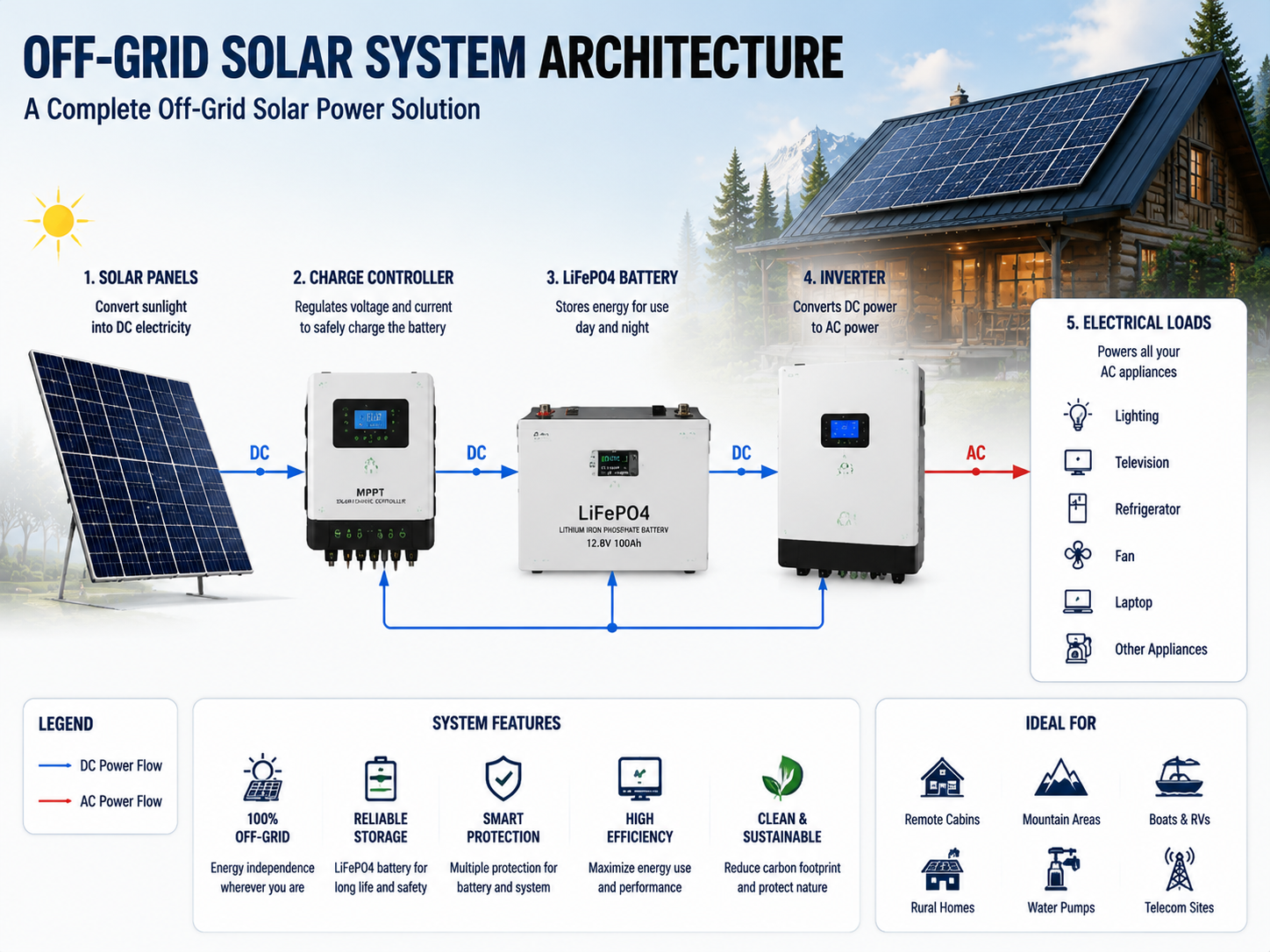
The energy path in a typical DC-coupled off-grid system is straightforward:
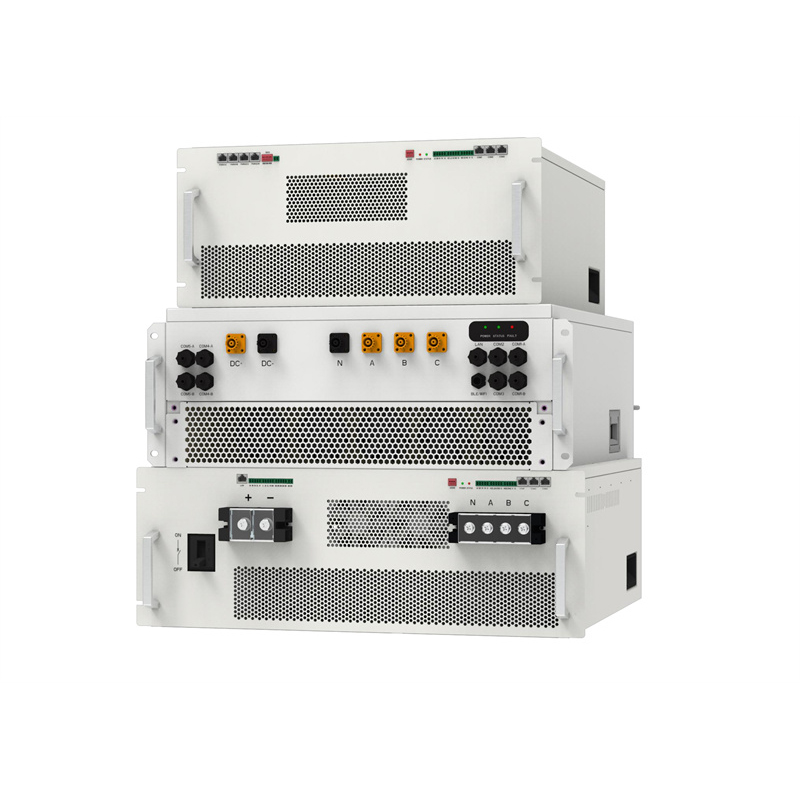
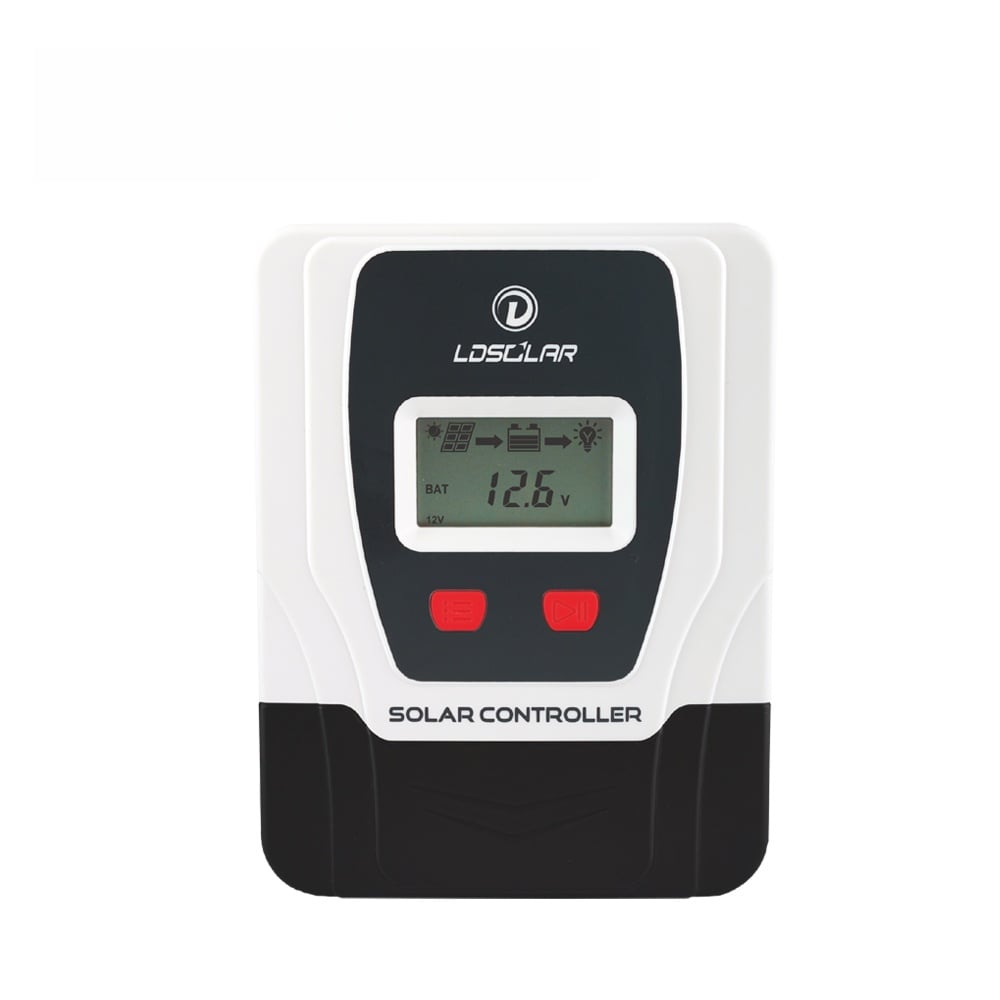
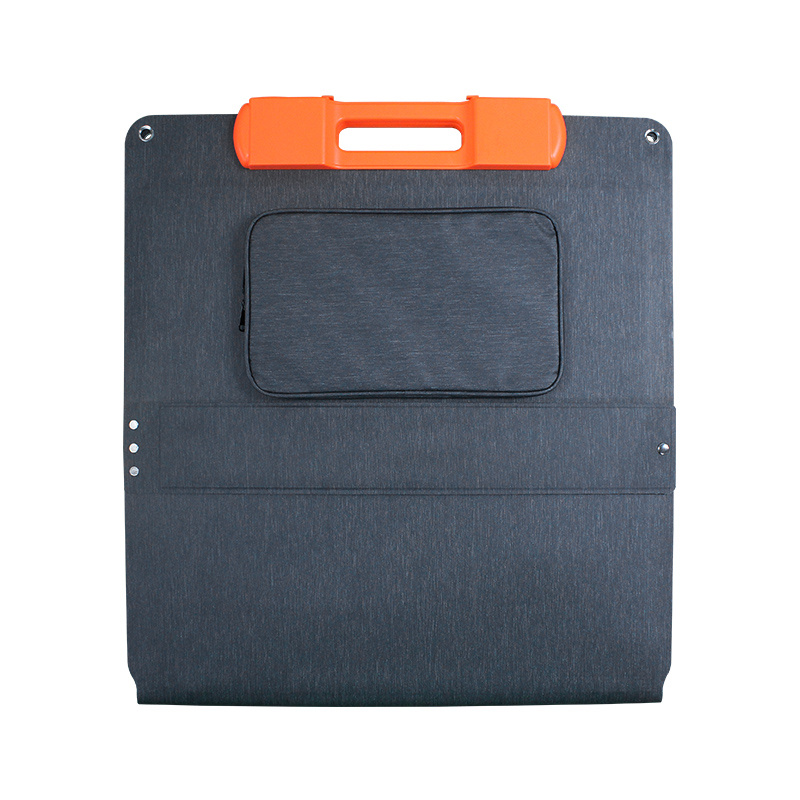
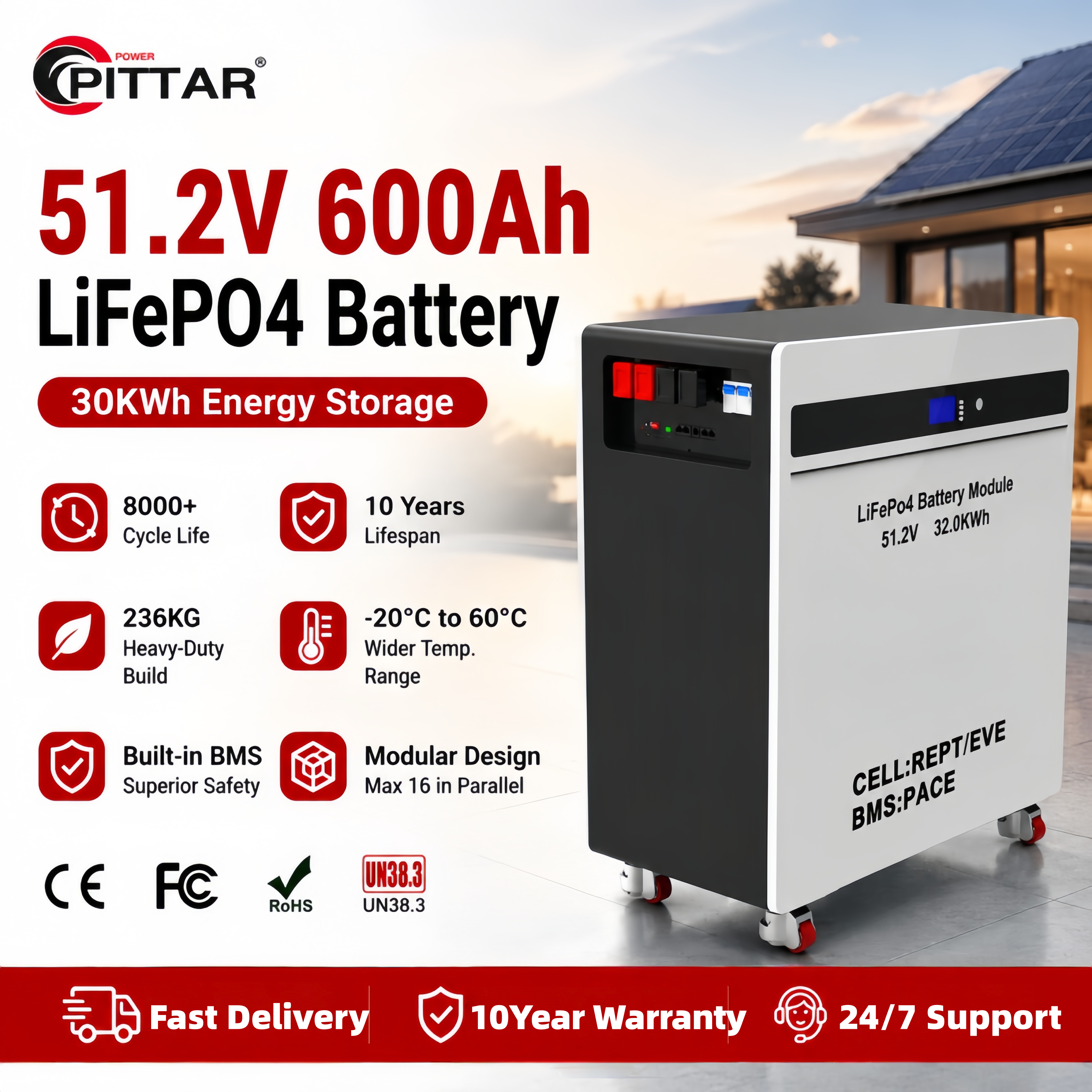
Solar Panels ↓ Charge Controller ↓ LiFePO4 Battery ↓ Inverter ↓ Electrical Loads
The field operation behind that diagram deserves more attention. In daylight, the PV array serves active DC or AC loads through the controller and inverter. When panel output exceeds demand, available energy charges the battery. When loads exceed generation or the sun sets, the inverter draws from the battery bank. The BMS remains in the background, monitoring battery voltage, current, temperature, and protection limits.
System Element |
Integration Question |
PV array |
Can it produce enough energy in the lowest-sun operating period? |
Charge controller or hybrid inverter |
Does it support the battery voltage, current, and LiFePO4 profile? |
Battery bank |
Does it meet usable kWh and peak-current requirements? |
Inverter |
Can it carry continuous loads and motor-starting surges? |
Monitoring |
Can operators see SOC, alarms, temperature, and energy balance remotely? |
Generator backup |
Is there an operational plan for extended low-solar periods? |
For a cabin or farm, the battery can support lighting, refrigeration, pumps, communications, and selected tools. For a telecom shelter, it may maintain DC plant loads while reducing generator starts. For an RV, it may power DC appliances directly and AC equipment through a compact inverter. For a commercial remote site, the bank may be part of a larger energy-management strategy with load priorities and generator dispatch rules.
The core design principle is to match energy and power separately. Energy capacity determines how long loads can run. Power capability determines whether those loads can run at the same time. A project can have enough kWh on paper and still fail if inverter surge requirements or battery current limits were not reviewed.
For a deeper system-connection discussion, see [How to Use Lithium Batteries with Solar Panels] .
__________________________________________________________________________________________________
How to Choose the Right LiFePO4 Battery for an Off-Grid System
Procurement should start with a technical brief, not a target price. The brief should define the load profile, system voltage, operating environment, autonomy target, installation method, monitoring requirement, and expected expansion path.
Start with the load profile. List daily energy consumption in kWh and identify peak demand in kW. Separate continuous loads from intermittent loads and note motor-starting surges. A water pump might consume modest daily energy while creating the project’s most demanding instantaneous power event.
For a preliminary estimate: Nominal battery capacity (kWh) = daily battery-supported energy × backup days ÷ (usable DoD × estimated system efficiency)
This formula is a planning tool, not an engineering sign-off. Final capacity must allow for temperature, battery aging, reserve SOC, seasonal PV output, and the operating philosophy for generators or load shedding.
Match voltage to the system architecture. Small RV and compact cabin systems commonly use 12V or 24V platforms. Larger residential and commercial off-grid systems often use 48V-class or high-voltage architectures. Voltage choice affects current, cable size, inverter selection, fault protection, and expansion strategy.
Buyers should verify whether the battery communicates with the inverter through supported protocols and whether the inverter vendor has approved the battery model. Compatibility reduces commissioning risk and can improve operational visibility.
Review DoD, reserve, and autonomy together. A high usable DoD can improve the practical value of installed capacity, but the project still needs a reserve policy. A remote clinic may require a larger minimum SOC reserve than a leisure cabin. A farm with generator backup may accept a lower reserve than a site with no fuel logistics.
Evaluate environment before choosing the enclosure. Temperature, dust, humidity, salt exposure, vibration, altitude, and access all matter. A battery room in a desert climate has different needs from an RV battery compartment or a telecom cabinet in a cold region. Ask whether the system needs forced ventilation, solar shielding, IP-rated enclosure protection, low-
temperature charge protection, remote alarms, or integrated heating.
Plan expansion before ordering the first bank. Battery expansion must follow the supplier’s rules. Module age, model, firmware, BMS communications, rack configuration, and total current limits can determine whether future modules can be added. The PV array and charge equipment must also be able to recharge the larger bank.
Evaluation Area |
Buyer Review Question |
Usable energy |
How many kWh are available after reserve and DoD settings? |
Power output |
What continuous and peak current can the BMS and terminals support? |
Voltage |
Does it match the inverter and DC distribution design? |
Cycle data |
What test conditions support the rated cycle figure? |
Temperature |
Are charge/discharge limits suitable for site climate? |
BMS |
What protections, alarms, and communications are included? |
Warranty |
What capacity retention, throughput, and installation conditions apply? |
Expansion |
Can the system scale without replacing original modules? |
__________________________________________________________________________________________________
LiFePO4 Battery Capacity Considerations for Different Applications
The same battery chemistry can serve very different projects. The practical difference lies in the energy profile, power demand, uptime requirement, and maintenance model.
Application |
Typical Load Pattern |
Battery Selection Priority |
Project Note |
Remote cabin |
Evening lighting, refrigeration, communications |
Usable overnight energy and simple maintenance |
Check winter solar and seasonal idle storage |
|
RV solar system |
DC appliances, fridge, water pump, occasional inverter loads |
Weight, recharge rate, 12V/24V fit |
Verify alternator, shore charger, and roof-PV compatibility |
|
Residential off-grid home |
Daily household loads, pumps, refrigeration, communications |
Autonomy, inverter surge, scalable capacity |
Define essential versus discretionary circuits |
Farm |
Pumps, fences, lighting, refrigeration, controls |
Peak power, reliability, generator integration |
Motor starts may determine inverter and BMS selection |
Commercial remote power |
Telecom, clinic, lodge, worksite, microgrid loads |
Serviceability, monitoring, modularity, thermal design |
Load profile and maintenance SLA drive the specification |
A small cabin may use only a few kWh overnight but need enough reserve for cloudy weekends. An RV may have limited panel area and strict weight constraints. A farm can have low average consumption but high peak loads from pumps. A commercial remote system may need redundancy, a service plan, and separate critical-load priorities.
For distributors, these differences affect the product assortment. A single low-voltage battery line may suit RV dealers, while a rack-based 48V system may be more appropriate for installers serving farms, remote homes, and small commercial sites.
Procurement should align product format with the channel’s installation capability and after-sales support.
Decision Factor |
LiFePO4 Battery |
Flooded / AGM / Gel Lead-Acid Battery |
Usable capacity |
Often higher at comparable nominal energy |
Lower recommended DoD for long life |
|
Cycle performance |
Usually better for frequent deep- cycle use |
More sensitive to repeated deep discharge |
|
Charge acceptance |
Often stronger within approved limits |
Typically slower near full charge |
Efficiency |
Usually higher |
Usually lower |
Maintenance |
Low routine maintenance |
Flooded types require more attention; AGM/Gel remain profile-sensitive |
Weight and footprint |
Lower for comparable usable energy |
Higher weight and larger footprint |
Initial purchase cost |
Often higher |
Often lower |
Lifecycle cost |
Often favorable under daily cycling |
Can rise through replacements and service labor |
Lead-acid can still make commercial sense where usage is infrequent, capital budget is limited, trained maintenance is available, and installation space is not a constraint. LiFePO4 becomes more compelling when the system cycles often, site visits are expensive, usable energy matters, or weight and cabinet space are constrained.
The correct comparison is cost per usable delivered kWh over the project life. This includes replacement cycles, transport, commissioning, maintenance labor, generator fuel savings, downtime exposure, and the operational cost of carrying a larger bank to protect lead-acid DoD.
__________________________________________________________________________________________________
Common Mistakes When Selecting an Off-Grid Solar Battery
Several recurring mistakes appear in off-grid project reviews.
Capacity selected from nameplate Ah only. Amp-hours mean little without voltage, usable DoD, and efficiency. A 100Ah battery can represent very different energy values at 12V, 24V, or 51.2V. Compare usable kWh at the intended system settings.
Future load growth ignored. A cabin may later add a water pump, workshop tools, refrigeration, air conditioning, or EV charging. A commercial site may add monitoring equipment or production loads. Selecting a non-expandable system can turn a small upgrade into a complete replacement.
Components specified independently. Battery voltage, BMS current, inverter power, PV controller capability, cable design, fuses, communications, and monitoring must be reviewed as one system. A strong battery cannot compensate for an undersized inverter or incompatible charge profile.
Climate treated as an installation detail. Temperature conditions affect lifetime, charge acceptance, usable capacity, and enclosure requirements. High heat and cold charging limitations should be addressed before the battery arrives on site.
Price treated as the main selection metric. The lowest battery price may conceal lower usable energy, fewer cycles under actual conditions, limited local support, weak communications, or restrictive warranty terms. Procurement should compare technical performance and support obligations alongside price.
Procurement Check |
Why It Prevents Rework |
Load and surge schedule |
Prevents energy/power mismatch |
Compatible inverter list |
Reduces commissioning risk |
Temperature and enclosure plan |
Protects performance and warranty |
BMS data sheet |
Confirms current limits and protections |
Expansion policy |
Avoids stranded first-generation modules |
Warranty conditions |
Clarifies operational responsibilities |
__________________________________________________________________________________________________
Frequently Asked Questions
How long does a LiFePO4 battery last in an off-grid solar system? Service life depends on cycle frequency, depth of discharge, temperature, charging current, BMS protection, system sizing, and maintenance. A battery that is correctly sized and operated within its approved limits will generally deliver a different result from one repeatedly driven to low SOC i n a hot or undersized system. Review the manufacturer’s cycle-test conditions, capacity-retention warranty, and throughput terms for a project-specific comparison.
How many batteries are needed for an off-grid home? The number of batteries follows the required usable kWh, battery module size, voltage architecture, backup days, DoD setting, and inverter compatibility. Begin with a load audit and autonomy target. Then size the bank for both energy and peak power rather than selecting a fixed number of modules.
Is LiFePO4 better than lead acid for solar storage? LiFePO4 is often a better fit for systems that cycle frequently because it generally offers higher usable capacity, stronger charge acceptance, lower maintenance, and favorable lifecycle value. Lead- acid may remain suitable for lower-cycle, budget-led, or legacy systems where its limitations are understood and managed.
Can LiFePO4 batteries be expanded in the future? Some systems support expansion, but the answer depends on the supplier’s rules for module model, age, firmware, communication, rack configuration, current limits, and inverter compatibility. Confirm the expansion policy before the first purchase, not when a second bank is needed.
__________________________________________________________________________________________________
Final Considerations Before Choosing a LiFePO4 Solar Battery
Before selecting a battery supplier or finalizing a bill of materials, use this buyer checklist:
A LiFePO4 battery system should be purchased as a defined operating solution, not as a commodity energy box. A clear load profile, compatible components, documented protection strategy, and realistic maintenance plan are what turn battery specifications into dependable off-grid power.
 Hot News
2026-08-20
2026-08-16
2026-08-12
2026-08-03
2026-07-30
2026-07-26

Pittar Power is a professional manufacturer specializing inenergy storage solutions.
Room 302, Building 1, No. 10, Huangjin First Road, Nancheng District, Dongguan City, Guangdong Province, China
Copyright © Shenzhen Pittar Power Co., Ltd. All Rights Reserved Privacy Policy
 EN
EN