Introduction
Can lithium batteries work with solar panels? Yes. How to Use Lithium Batteries with Solar Panels begins with a compatible solar charging system: solar panels produce electricity, a controller or hybrid inverter regulates charging, the lithium battery stores energy, and an inverter supplies usable power to appliances when solar generation is low.
Lithium batteries are widely used in solar energy storage systems because they can provide efficient, reliable, and long-lasting energy storage when they are correctly selected and operated. They are used in home solar systems, off-grid cabins, RVs, farms, remote communications sites, and commercial energy storage projects.
The practical goal is not simply to attach a battery to solar panels. It is to build a matched system with the right battery capacity, voltage, charge controller, inverter, Battery Management System, protection equipment, and monitoring. This guide explains the system logic in beginner-friendly terms and helps buyers ask the right technical questions before selecting equipment.
__________________________________________________________________________________________________
Can Lithium Batteries Be Used with Solar Panels?
Yes. Lithium batteries can be used with solar panels when the system is designed around compatible voltage, charging limits, current capability, and battery protection requirements. Solar panels produce variable DC electricity. The power must be controlled before it reaches the battery, because sunlight conditions and panel output change throughout the day.
A solar battery storage system commonly uses lithium batteries to:
LiFePO4 batteries are especially common in these applications because they offer strong deep-cycle performance, high usable capacity, stable chemistry, and low routine maintenance. They are not automatically compatible with every charger or inverter, however. The complete system must be designed to follow the battery manufacturer’s voltage, current, temperature,communication, and protection requirements.
For readers comparing battery options for a solar project, see [Best Lithium Battery for Solar Storage] .
__________________________________________________________________________________________________
How Does a Solar Lithium Battery System Work?
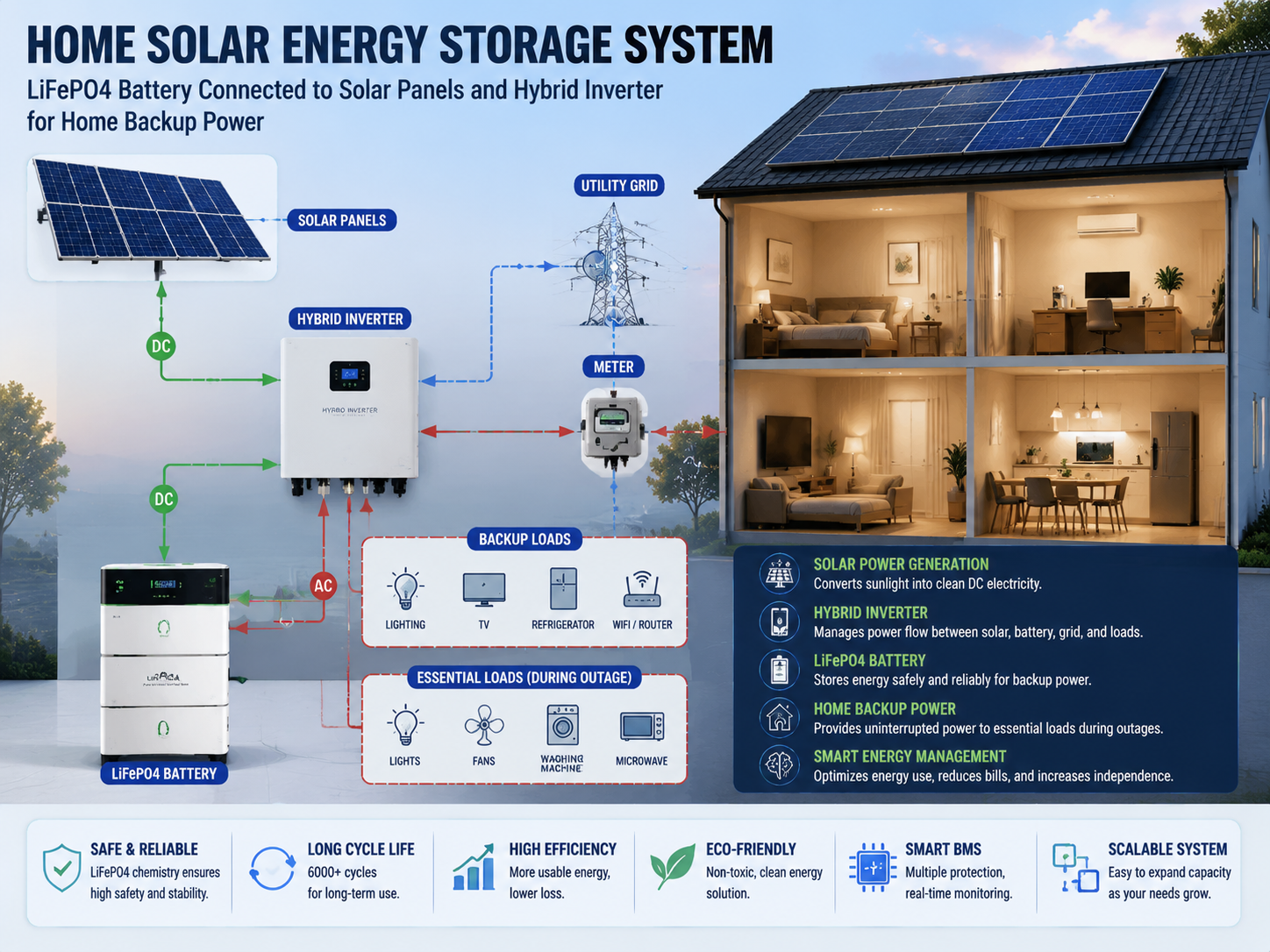
A solar lithium battery system captures energy during sunlight hours and releases it when loads need power later. The basic energy flow is:
Solar Panels ↓ Solar Charge Controller ↓ Lithium Battery ↓ Inverter ↓ Home Appliances
Component |
Primary Role |
Solar panels |
Convert sunlight into DC electricity |
Solar charge controller |
Regulates PV charging in DC-coupled systems |
Lithium battery |
Stores electricity for later use |
BMS |
Protects and monitors the battery pack |
Inverter |
Converts DC battery energy into AC appliance power |
Appliances |
Consume energy when solar or battery power is available |
Monitoring system |
Shows production, SOC, alarms, and energy flows |
During the day, solar panels can power live loads first. If production exceeds consumption, the controller or hybrid inverter directs the surplus into the battery. At night, or when production drops, the inverter draws energy from the battery to supply selected loads.
In a grid-connected home, system settings may prioritize solar self-consumption, backup reserve, or time-based electricity rates. In an off-grid system, the battery must cover nighttime use and maintain enough reserve for weather variability. In an RV system, the battery may power DC devices directly and run AC loads through a compact inverter.
DC-coupled and AC-coupled systems
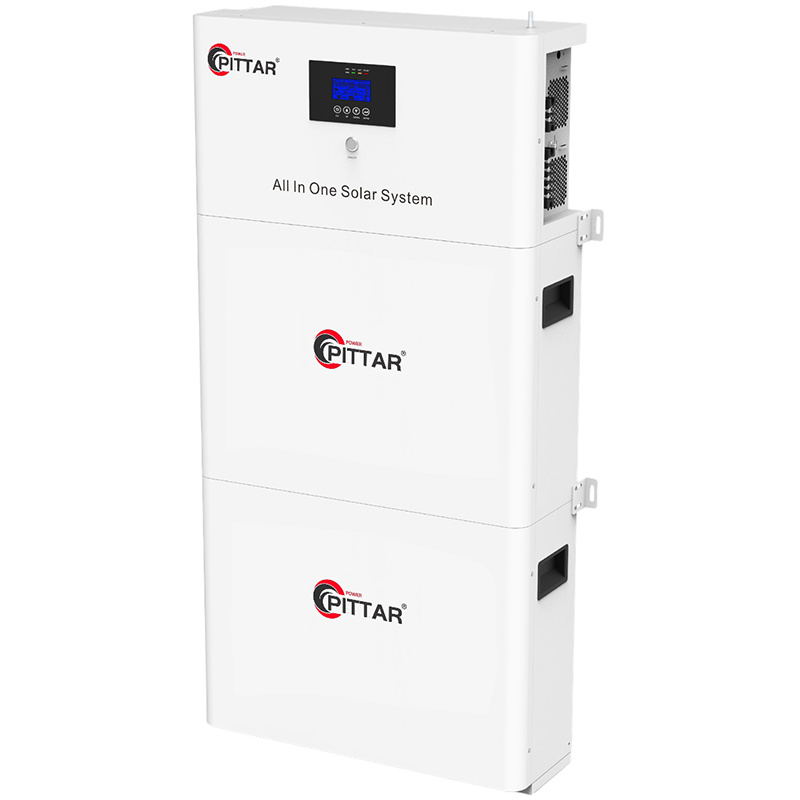
A DC-coupled system connects the solar array and battery on the DC side through an MPPT controller or hybrid inverter. This is common in new solar-plus-storage installations. An AC-coupled system uses a solar inverter for the panels and a separate battery inverter connected to the AC side. This approach can be useful when adding storage to an existing solar system.
Both architectures can work well. The right choice depends on existing equipment, backup goals, local electrical rules, energy- flow requirements, and approved manufacturer compatibility.
__________________________________________________________________________________________________
Components Needed to Use Lithium Batteries with Solar Panels
A reliable solar battery system includes more than solar panels and a battery. Each component must be selected to operate within the others’ limits.
Solar panels
Solar panels provide the energy source. Their total voltage and current must remain within the input limits of the charge controller or hybrid inverter under all expected operating conditions. Roof orientation, shade, temperature, panel type, and seasonal sunlight affect actual energy harvest.
MPPT charge controller
An MPPT solar charge controller manages the variable output of PV panels and applies an appropriate charging profile to the battery. It should support the system voltage, maximum PV input range, expected current, and lithium charging requirements.
Lithium battery
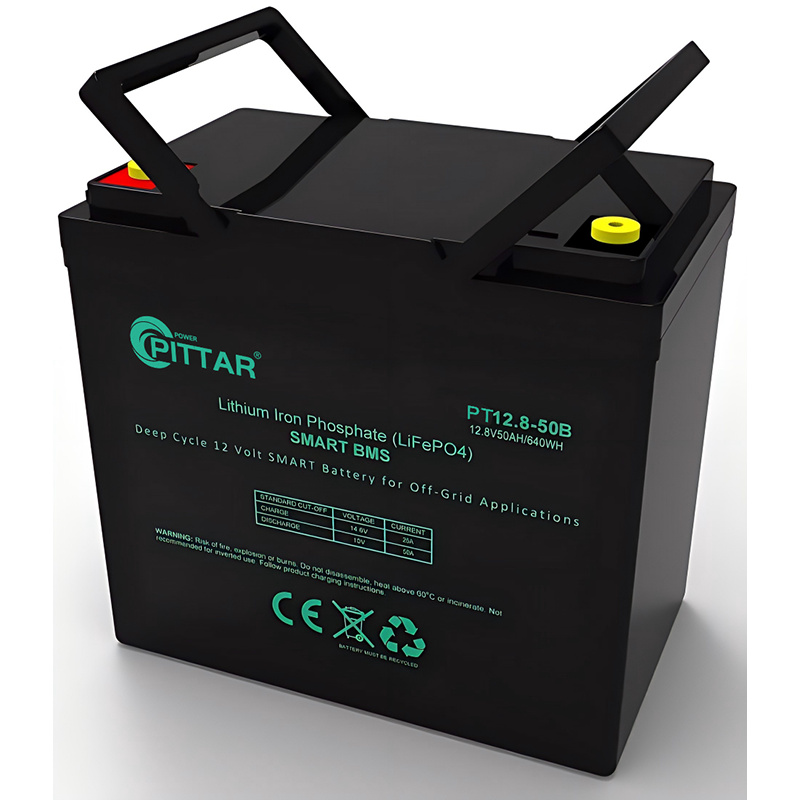
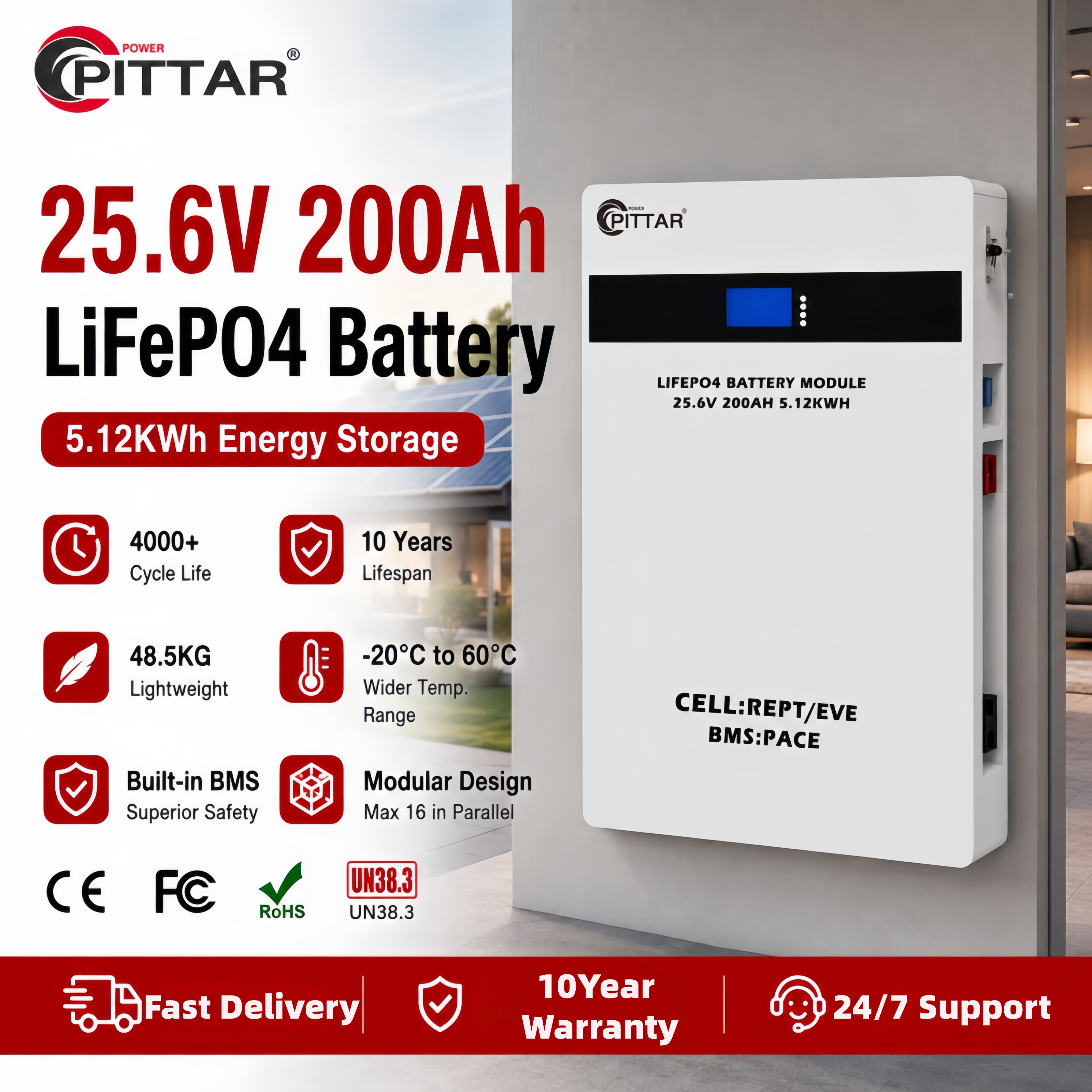
The battery stores solar energy. Buyers should evaluate usable capacity in kWh, voltage, continuous power, BMS current rating, temperature limits, enclosure format, warranty, monitoring, and expansion capability.
Battery Management System (BMS)
The BMS monitors battery voltage, current, state of charge, temperature, and protection conditions. It can stop or limit charging and discharging when system conditions exceed approved limits. In many systems, the BMS also communicates with the inverter to coordinate operation.
The inverter converts stored DC energy into AC power for household appliances and other AC loads. Its continuous power and surge rating must match the intended load profile. A battery may have enough kWh for a refrigerator overnight but still require adequate inverter surge power to start the compressor.
Monitoring system
Monitoring provides visibility into PV production, battery SOC, charging behavior, temperature, alarms, and load consumption. It is valuable for homeowners, installers, distributors, and remote-site operators because it helps identify problems before they become downtime.
Component |
Compatibility Question |
Solar panels |
Is PV voltage/current within controller or inverter limits? |
MPPT controller |
Does it support lithium charging and the correct system voltage? |
Battery |
Does capacity and BMS current meet energy and power needs? |
Inverter |
Is it compatible with battery voltage, communication, and surge loads? |
Monitoring |
Can it show battery health, alarms, and energy performance? |
Protection equipment |
Is it designed to applicable standards and manufacturer requirements? |
Final wiring, fuses, disconnects, grounding, cable sizing, permits, and local compliance should be completed by qualified professionals using approved equipment documentation.
__________________________________________________________________________________________________
How to Connect Lithium Batteries with Solar Panels
This is a general design and commissioning process, not a substitute for electrical installation instructions. Use qualified installers for final wiring, electrical protection, grid interconnection, and local code compliance.
1. Calculate energy requirements
Start with the loads you want the solar battery system to support. List appliances, their power ratings, and expected operating hours. Convert these into daily energy consumption in kWh.
Daily energy use (kWh) = load power (kW) × operating time (hours)
Separate essential loads from optional loads. For example, refrigeration, lighting, Wi-Fi, medical equipment, and security may be essential. Electric heating, central air conditioning, EV charging, and large workshop tools can require much larger battery and inverter systems.
2. Select battery capacity
Battery capacity should match the usable energy target, backup duration, depth of discharge, expected system losses, and future expansion plan. Capacity is normally compared in kWh, not Ah a lone.
A practical planning formula is: Nominal battery capacity = required usable energy ÷ (usable DoD × estimated system efficiency)
For example, if critical loads require 6kWh overnight, the battery has 90% usable DoD, and system efficiency is estimated at 90%, the nominal capacity estimate is approximately 7.4kWh. This is a planning example only. Final design must also check peak loads, battery current, inverter power, solar recharge capability, climate, and reserve settings.
3. Choose a compatible controller
Choose an MPPT controller or hybrid inverter that supports the solar array voltage, battery voltage, expected charging current, and lithium battery charge profile. Check manufacturer-approved compatibility lists when available.
Do not assume that a controller designed around lead-acid batteries will use the correct lithium charging behavior. Charging settings, temperature protection, communication, and equalization functions must be reviewed before commissioning.
4. Configure charging parameters
Use the battery manufacturer’s recommended settings. Confirm charge voltage, current limit, low-temperature charging protection, reserve SOC, discharge cutoff, and BMS communication parameters where applicable.
Avoid generic settings copied from online forums. Batteries, controllers, and inverters differ by chemistry, model, firmware, and system architecture.
5. Monitor battery performance
After commissioning, monitor solar production, battery SOC, temperature, charge/discharge power, inverter alarms, and load behavior. A trend such as frequent low-SOC events, BMS trips, high battery temperature, or incomplete daily recharge indicates that the system may need adjustment.
For a broader lithium battery technology overview, see [What Is a Lithium Battery?] .
__________________________________________________________________________________________________
Why LiFePO4 Batteries Are Popular for Solar Systems
LiFePO4 batteries are widely used in solar storage because their operating characteristics align well with daily renewable energy cycles.
Long cycle life
Solar storage batteries may charge and discharge regularly. LiFePO4 chemistry is known for strong cycle-life potential when used within approved limits for temperature, current, voltage, and depth of discharge. This can improve lifecycle value in systems that use stored solar energy every day.
High safety
LiFePO4 is valued for stable chemistry and strong thermal behavior compared with some other lithium chemist ries. Safety still depends on the complete system: quality cells, a reliable BMS, proper enclosure, approved chargers and inverters, correctly rated cables and protection devices, and professional installation.
High depth of discharge
Many LiFePO4 battery systems support a high usable DoD, allowing users to access a large portion of nominal capacity. This helps reduce the battery bank size needed for a target usable energy level. The configured DoD should always follow manufacturer guidelines and warranty conditions.
Low maintenance
LiFePO4 batteries do not need watering or equalization charging required by flooded lead-acid batteries. Users still need to inspect system connections, review alarms, manage storage conditions, and verify charging behavior.
Better efficiency
Efficient charge-discharge performance helps preserve more solar energy for loads. This can be valuable in small systems with limited roof area, in off-grid systems with short winter sunlight, and in RV systems where available panel space is constrained.
For off-grid solar applications and remote power scenarios, see [LiFePO4 Battery for Off-Grid Solar Systems] .
[Soft CTA 1] Selecting batteries for daily solar cycling? Explore LiFePO4 solar batteries designed for dependable charging, deep-cycle operation, and scalable energy storage.
__________________________________________________________________________________________________
Choosing the Right Lithium Battery for Solar Applications
The right lithium battery is determined by the application, not simply by the largest capacity or lowest price.
Battery capacity
Choose capacity in kWh based on the energy you want to store and the time you need loads to run. Whole-home backup, essential-load backup, off-grid autonomy, and RV power all require different capacity targets.
Voltage
Battery voltage must match the inverter and controller architecture. Smaller systems may use 12V or 24V configurations. Larger home and commercial systems often use 48V-class or high-voltage battery platforms. Higher voltage can reduce current for a given power level, but final architecture must follow approved equipment design.
Energy requirements and power output
Energy capacity tells you how long loads can run. Power output tells you which loads can run at the same time. Check continuous discharge current, inverter output, surge capability, and BMS limits together.
Cycle life
For solar systems that cycle often, compare cycle-life data under equivalent DoD, temperature, current, and end-of-life capacity conditions. A large advertised cycle count is not meaningful without these test details.
Temperature range
Heat accelerates battery aging, while cold can reduce available capacity and restrict charging. Select a battery with an operating range suitable for the installation location, and plan ventilation, weather protection, or low-temperature charge protection when needed.
Warranty
Review calendar warranty, capacity-retention target, cycle or energy-throughput limits, installation rules, compatible equipment requirements, and service process. A warranty is most useful when the system is sized and commissioned as specified by the manufacturer.
Application |
Selection Priority |
Home solar |
Essential-load runtime, inverter integration, quiet operation |
Off-grid property |
Daily cycling, reserve capacity, solar recharge, generator support |
RV solar |
Weight, DC voltage, rapid recharge, temperature tolerance |
Commercial solar |
Power-duration design, monitoring, serviceability, modular expansion |
__________________________________________________________________________________________________
Common Mistakes When Using Lithium Batteries with Solar Panels
Many solar battery problems come from mismatched equipment or incomplete planning rather than a battery defect.
Common Mistake |
Better Practice |
Choosing the battery by price only |
Compare usable kWh, power, BMS, warranty, and lifecycle value |
Selecting incorrect battery size |
Calculate daily energy, backup time, DoD, efficiency, and peak load |
Using an incompatible charger |
Confirm lithium-specific controller or inverter profile |
Ignoring BMS settings |
Verify voltage, current, SOC, and temperature protection parameters |
Underestimating solar recharge |
Check PV size, peak sun hours, shade, and seasonal production |
Convert sunlight into DC electricity |
Match inverter and battery power to load-starting needs |
Poor storage conditions |
Store within approved SOC and temperature range |
Skipping monitoring |
Review SOC, temperature, production, and alarms regularly |
No expansion plan |
Choose modular equipment if future loads may grow |
Poor storage conditions can affect capacity and lifespan even when the system is unused. Keep battery equipment dry, protected from excessive heat, and maintained according to the product manual.
__________________________________________________________________________________________________
Maintenance Tips for Solar Lithium Battery Systems
Lithium battery systems need less routine maintenance than flooded lead-acid systems, but they still need practical oversight.
Regular monitoring
Check battery state of charge, temperature, charging behavior, inverter messages, and alarm history. Review solar production and household consumption to identify unexpected load changes.
Physical inspection
Periodically inspect the enclosure, ventilation, cables, terminals, breakers, and disconnects for signs of damage, moisture, corrosion, dust buildup, loose connections, or rodent activity. Follow safe isolation procedures and use qualified service personnel where required.
Seasonal checks
Before low-sun or severe-weather seasons, confirm that backup settings, charge profiles, battery reserve levels, and generator backup options are appropriate. In cold climates, verify low-temperature charging protection and installation conditions.
Long-term storage
If a portable, RV, or seasonal system will be idle, store the battery at the manufacturer-recommended state of charge, remove unnecessary parasitic loads, and inspect it periodically. Avoid leaving a battery deeply discharged or inside a hot vehicle.
Maintenance checklist
Frequency |
Recommended Check |
Monthly |
Review SOC, solar charging, temperatures, and alarm history |
Seasonal |
Inspect enclosure, ventilation, connections, and backup operation |
Before storage |
Set approved storage SOC and disconnect unnecessary loads |
After unusual event |
Inspect after flood, impact, lightning event, or repeated fault |
[Soft CTA 2] Need a reliable residential or remote-site storage platform? Explore home energy storage batteries and solar battery storage solutions for home backup, off-grid power, and renewable energy projects.
__________________________________________________________________________________________________
Frequently Asked Questions
Can solar panels charge lithium batteries?
Yes. Solar panels can charge lithium batteries when a compatible solar charge controller or hybrid inverter regulates voltage and current according to the battery manufacturer’s requirements.
Do lithium batteries need a special solar controller?
Many DC-coupled systems use an MPPT controller or hybrid inverter with a lithium-compatible charging profile. The controller must match the battery voltage, allowable current, and required protection settings.
How long do solar lithium batteries last?
Lifespan depends on battery chemistry, cycle frequency, depth of discharge, temperature, charging behavior, BMS quality, and system design. Review warranty capacity-retention and throughput conditions rather than relying on a single lifespan number.
Are LiFePO4 batteries good for solar systems?
LiFePO4 batteries are widely used in solar systems because they offer long cycle-life potential, high usable capacity, stable chemistry, low maintenance, and good performance in daily cycling applications. Final suitability depends on correct system sizing and equipment compatibility.
__________________________________________________________________________________________________
Conclusion
How to Use Lithium Batteries with Solar Panels is ultimately a system-design question. The most reliable results come from matching solar panels, a lithium-compatible charge controller or hybrid inverter, an appropriately sized battery, BMS protection, an inverter that supports expected loads, and meaningful monitoring.
Lithium batteries, especially LiFePO4, can provide efficient and dependable solar energy storage for home backup, off-grid systems, RVs, remote sites, and commercial applications. But capacity, voltage, charging settings, temperature limits, power demand, and future expansion must all be considered before purchase.
Choose a lithium battery solution that fits your actual energy use and compatible equipment, then confirm final system design, protection devices, installation, and local compliance with manufacturer documentation and qualified solar professionals.
[Soft CTA 3] Ready to turn solar generation into reliable stored power? Compare LiFePO4 solar batteries, home energy storage batteries, solar battery storage solutions, and custom lithium battery solutions for your application.
 Hot News
2026-08-20
2026-08-16
2026-08-12
2026-08-03
2026-07-30
2026-07-26

Pittar Power is a professional manufacturer specializing inenergy storage solutions.
Room 302, Building 1, No. 10, Huangjin First Road, Nancheng District, Dongguan City, Guangdong Province, China
Copyright © Shenzhen Pittar Power Co., Ltd. All Rights Reserved Privacy Policy
 EN
EN