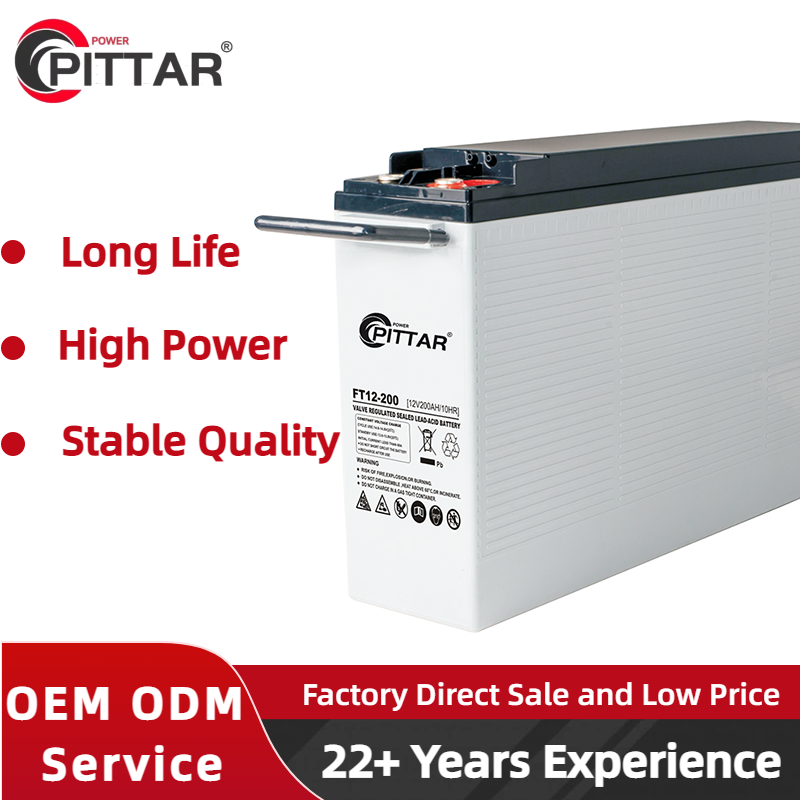
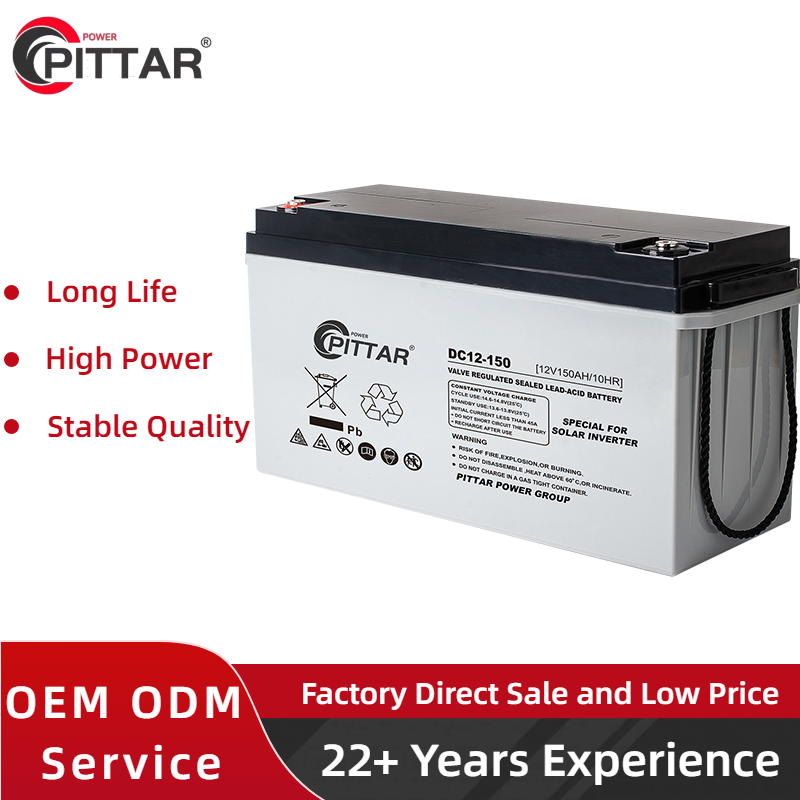
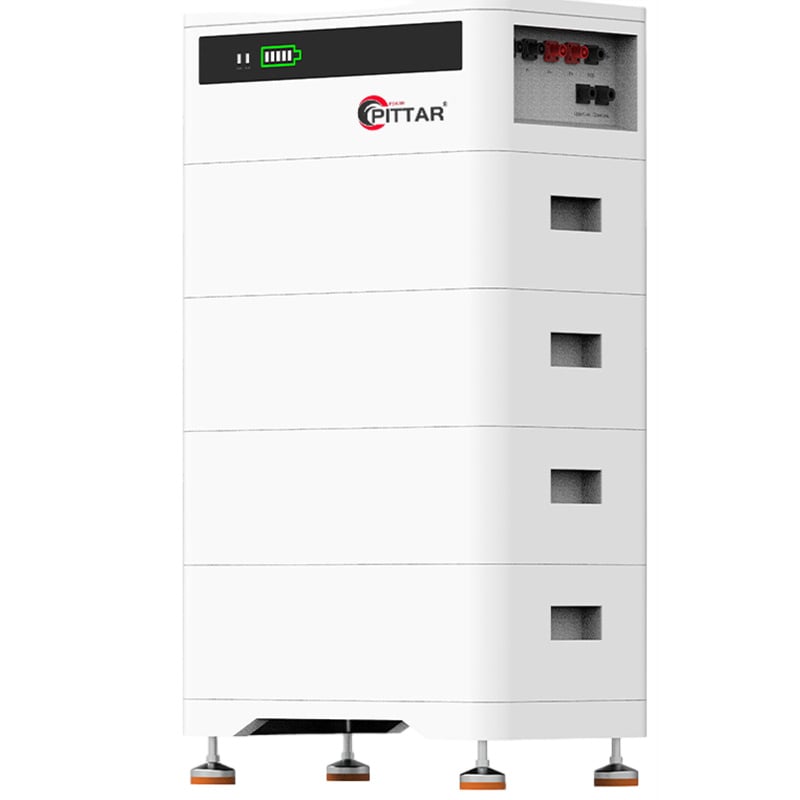
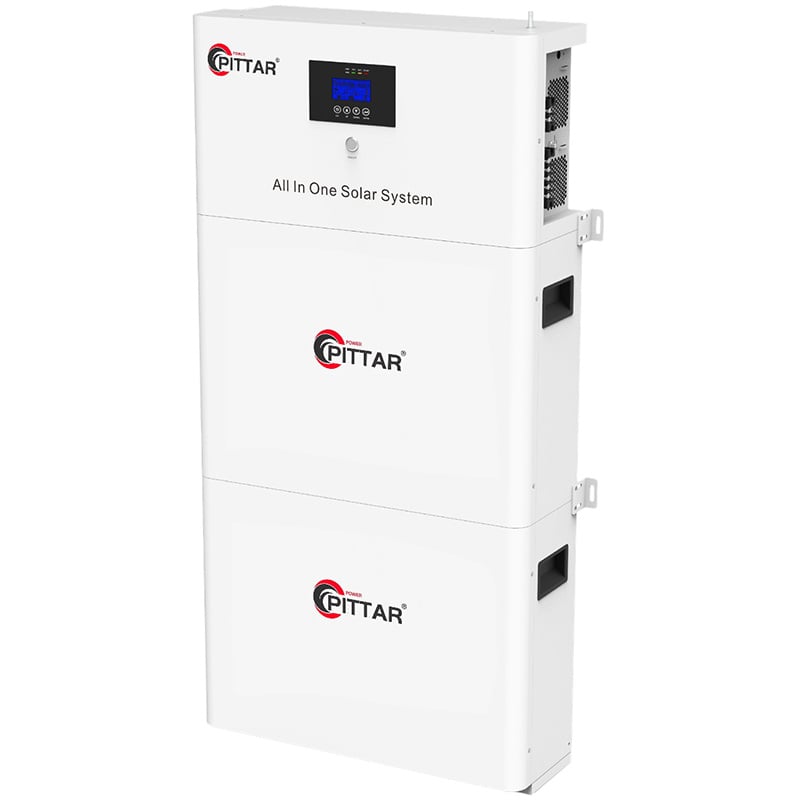
A Lithium Battery is one of the most important energy storage technologies behind today’s clean-energy transition. From solar energy storage systems and home backup power to portable power stations, RV power, telecom backup, and industrial battery banks, lithium-based batteries have become the preferred choice where high energy density, long service life, fast charging, and reliable deep-cycle performance matter.
For B2B buyers, solar system integrators, energy storage distributors, and technical purchasing teams, choosing the right Lithium Battery is not simply a matter of comparing price per kilowatt-hour. Battery chemistry, cycle life, safety certification, battery management system design, depth of discharge, operating temperature, warranty terms, and supplier engineering capability all influence long-term value.
This complete guide explains what a Lithium Battery is, how it works, the main battery chemistries, where it is used, how long it lasts, how to evaluate safety, and how to select the right solution for solar storage, home backup, portable power, and industrial energy storage projects.
A Lithium Battery is a battery that uses lithium-based chemistry to store and release electrical energy. In most modern rechargeable applications, the term refers to lithium-ion batteries, where lithium ions move between the positive electrode and negative electrode during charge and discharge.
Compared with older battery technologies such as lead acid, a rechargeable lithium battery usually offers higher energy density, lighter weight, longer cycle life, faster charging, and deeper usable capacity. These advantages explain why lithium based batteries are widely used in consumer electronics, electric vehicles, solar energy systems, portable power stations, and stationary energy storage battery products.
In technical terms, a lithium battery may describe a single cell, a battery module, or a complete battery pack. For commercial energy storage, the complete system often includes multiple cells, a battery management system, protective enclosure, communication interface, thermal design, and sometimes an integrated inverter or energy management system.
For buyers comparing solutions, it is important to understand that not all lithium batteries are the same. A small lithium-ion battery inside a laptop is very different from a deep cycle lithium battery used in a solar storage cabinet. The chemistry, cell format, pack design, safety standards, and intended duty cycle can vary significantly.
How Does a Lithium Battery Work?
A Lithium Battery works by moving lithium ions through an electrolyte between two electrodes: the anode and the cathode. During discharge, lithium ions move from the anode to the cathode, while electrons flow through the external circuit to power a device or load. During charging, an external power source pushes the ions back to the anode, storing energy for later use.
The process can be simplified into four steps:
1. Charging begins: A charger, solar inverter, or power conversion system supplies controlled voltage and current.
2. Lithium ions move: Lithium ions travel from the cathode through the electrolyte toward the anode.
3. Energy is stored: The battery stores chemical energy in the cell structure.
4. Discharge powers loads: When connected to a load, ions move back and electrons deliver usable electrical power.
This reversible movement is what makes a rechargeable lithium battery practical for repeated use. In solar and backup power systems, the battery may charge during daytime solar production or off-peak grid hours, then discharge during nighttime, peak tariff periods, or power outages.
A quality lithium battery system does not rely on cell chemistry alone. It also depends on accurate charge control, proper battery balancing, temperature protection, and system-level communication between the battery, inverter, charger, and monitoring platform.
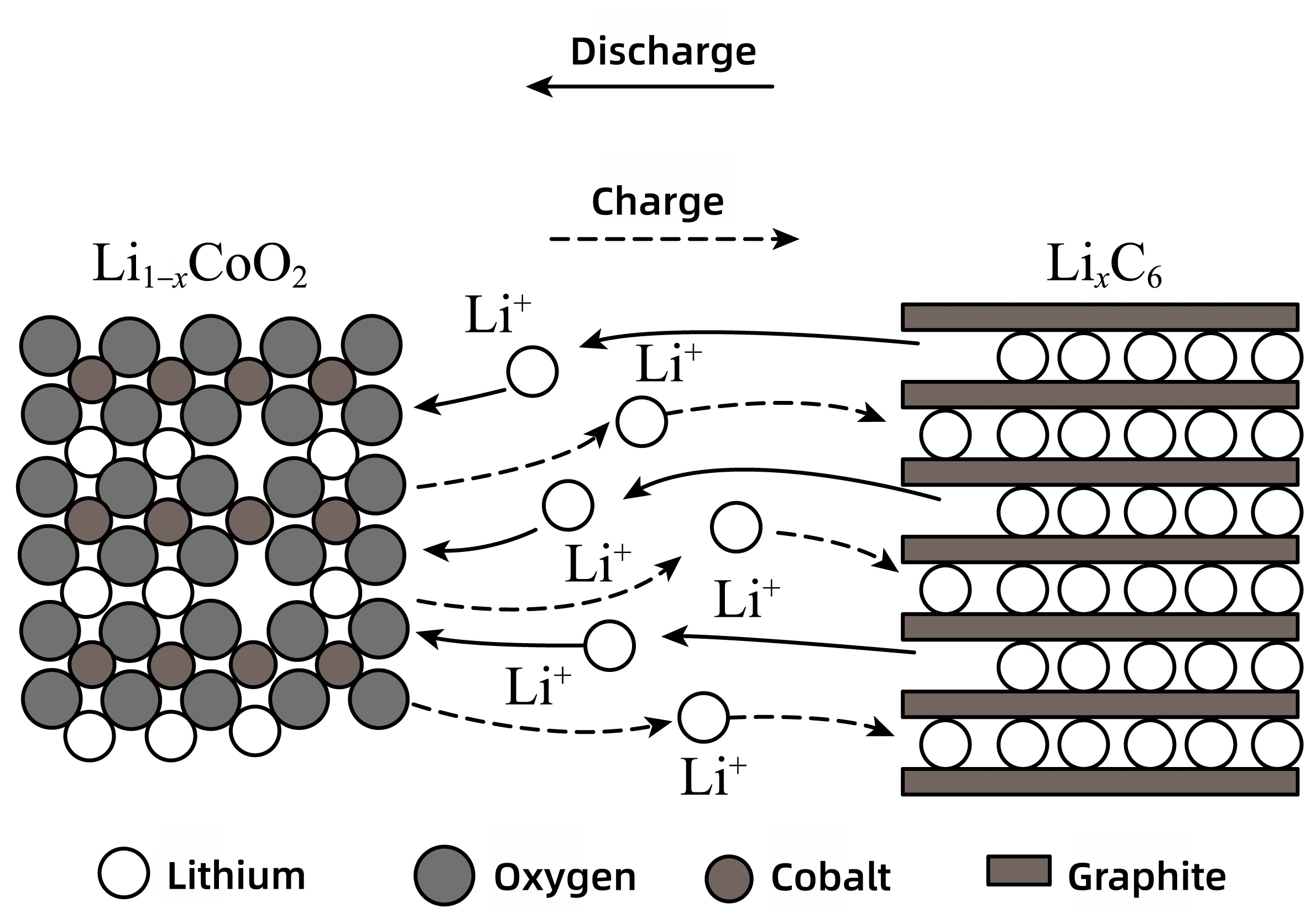
Main Components of a Lithium Battery
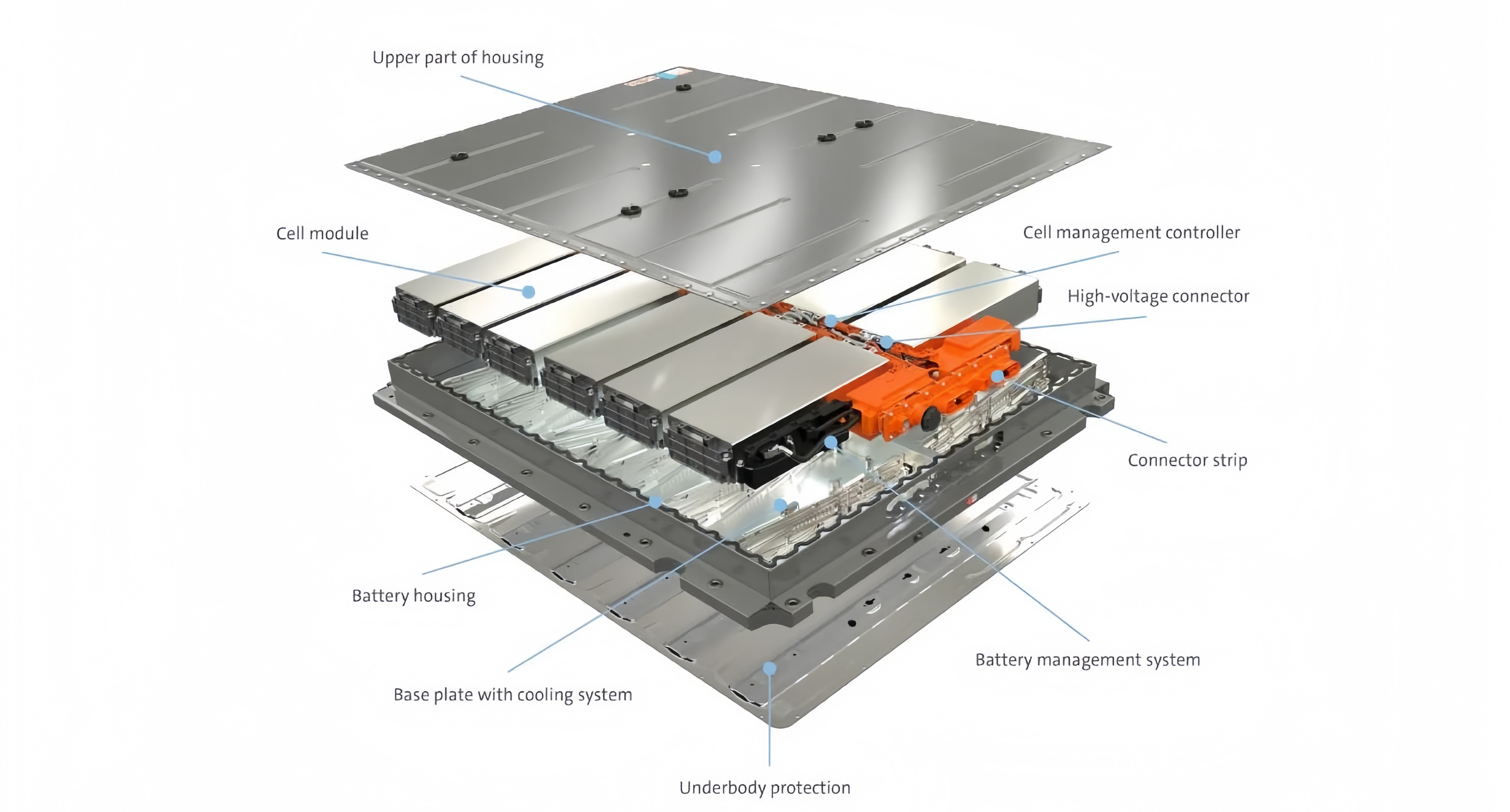
A modern Lithium Battery pack is a carefully engineered system. While the cell is the core energy storage unit, the performance and safety of the finished battery depend on several components working together.
1. Battery Cells
Battery cells are the basic building blocks. Common formats include cylindrical cells, prismatic cells, and pouch cells. Each format has advantages depending on the application.
Cylindrical cells are widely used and mechanically robust.
Prismatic cells are common in energy storage systems because they can be efficiently arranged into modules.
Pouch cells offer flexible packaging and high packaging efficiency, though they require careful mechanical support.
2. Cathode and Anode
The cathode chemistry largely defines the battery type. Examples include LiFePO4, NMC, and LCO. The anode is commonly graphite-based, though silicon-enhanced and lithium metal anodes are being researched for future performance improvements.
3. Electrolyte and Separator
The electrolyte allows lithium ions to move between electrodes. The separator keeps the electrodes apart while allowing ion movement. Good separator quality is essential because internal short circuits can create serious safety risks.
4. Battery Management System
The battery management system, or BMS, is the control center of the battery pack. It monitors voltage, current, temperature, state of charge, state of health, and cell balancing. A robust BMS helps protect the battery against overcharge, over-discharge, short circuit, overcurrent, overheating, and abnormal operating conditions.
For B2B energy storage buyers, BMS quality is one of the most important supplier evaluation points. A well-designed BMS can improve reliability, extend service life, and make the battery easier to integrate with inverters and monitoring systems.
5. Module, Enclosure, and Connections
Cells are assembled into modules and then into a pack. The enclosure provides mechanical protection, electrical insulation, and environmental resistance. High-quality busbars, fuses, connectors, wiring harnesses, and communication ports help ensure stable operation.
6. Thermal Management
Heat affects battery performance and aging. Depending on system size, a lithium battery may use passive cooling, forced-air cooling, or liquid cooling. For high-capacity energy storage battery systems, thermal design becomes a critical factor in long-term safety and reliability
The phrase Lithium Battery covers several chemistries. Each chemistry has different strengths in energy density, safety, cost, power output, and cycle life. Selecting the right chemistry depends on the application.
LiFePO4 Battery
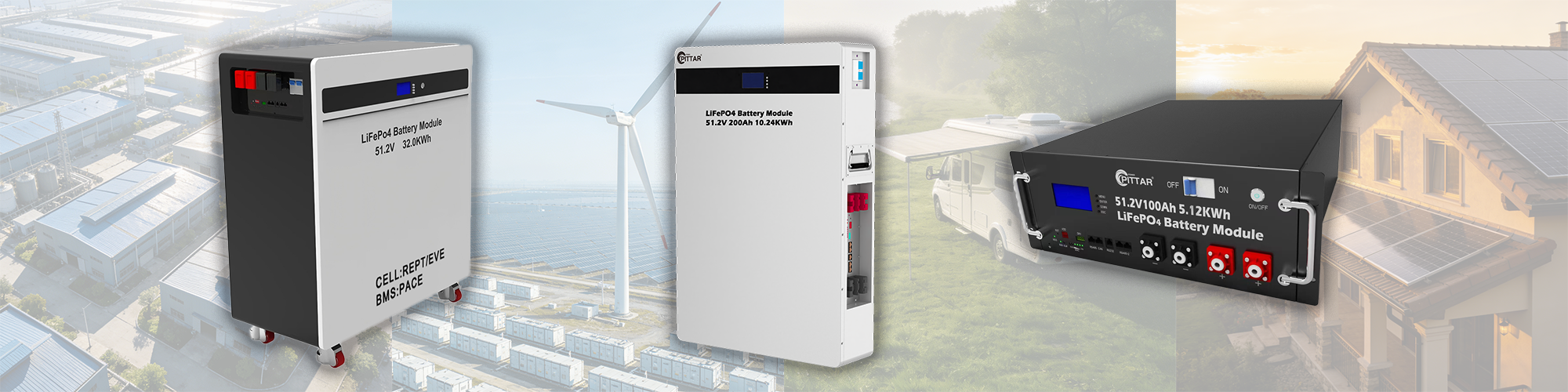
A LiFePO4 Battery, also known as lithium iron phosphate battery or LFP battery, is one of the most popular chemistries for solar storage, home backup, RV systems, portable power stations, and industrial energy storage. It is known for strong thermal stability, long cycle life, and good safety characteristics.
Key advantages of a LiFePO4 Battery include:· Long cycle life, often thousands of cycles under proper conditions.
· Stable chemistry compared with some higher-energy lithium chemistries.· Good performance for deep cycle lithium battery applications.· Suitable for stationary storage and frequent charge-discharge operation.· Lower reliance on cobalt compared with some lithium-ion chemistries.
For many energy storage distributors and solar integrators, LiFePO4 has become the preferred chemistry for battery cabinets, rack batteries, wall-mounted home batteries, and portable power station battery systems.
Lithium-Ion Battery
A Lithium-Ion Battery is a broad category of rechargeable lithium batteries where lithium ions move between electrodes. In everyday language, the term often refers to many chemistries, including LFP, NMC, LCO, and others.
Lithium-ion batteries are widely used because they provide high energy density, relatively low self-discharge, and good efficiency. They are found in smartphones, laptops, electric vehicles, power tools, portable power stations, and energy storage systems.
However, when specifying a battery for B2B procurement, it is not enough to ask for a lithium-ion battery. Buyers should confirm the exact chemistry, cell grade, cycle life test conditions, discharge rate, operating temperature range, certifications, and BMS features.
NMC Battery
NMC stands for lithium nickel manganese cobalt oxide. NMC batteries are widely used in electric vehicles, power tools, and some high-energy applications because they can deliver strong energy density and power performance.
NMC may be attractive when compact size and lighter weight are top priorities. However, for stationary solar storage or home backup projects where cycle life and thermal stability are key concerns, many buyers compare NMC carefully against LiFePO4.
LCO Battery
LCO stands for lithium cobalt oxide. LCO batteries are commonly used in consumer electronics such as smartphones, tablets, and laptops because they offer high energy density in compact formats.
For large energy storage systems, LCO is generally less common than LiFePO4 or NMC due to cycle life, cost, and safety considerations. It remains important in portable electronics but is not usually the first choice for long-duration solar or
industrial storage.
Advantages of Lithium Batteries
A Lithium Battery offers practical advantages where space, weight, cycle life, and long-term ownership cost matter.
Key advantages include:
· Higher energy density: More energy can be stored in a smaller, lighter package, which benefits portable power stations, compact home storage, and mobile systems.
· Longer cycle life: A quality LiFePO4 Battery can support thousands of cycles under recommended operating conditions.
· Deeper usable capacity: Many lithium batteries allow a higher usable depth of discharge than lead acid batteries.
· Faster charging: Faster charge acceptance helps solar systems capture more available energy during limited sunlight hours.
· Higher efficiency: Strong round-trip efficiency reduces wasted energy.
· Lower maintenance: Lithium systems do not require watering, equalization charging, or routine flooded lead acid maintenance.
· Better scalability: Modular battery systems can serve small portable units, residential backup, and larger commercial energy storage.
Lithium Battery vs Lead Acid Battery
The comparison between Lithium Battery and lead acid battery is one of the most common decision points for solar installers, RV users, backup power buyers, and industrial procurement teams.
Lead acid batteries are mature, widely available, and often lower in initial purchase price. However, lithium batteries usually provide stronger long-term value in applications that require frequent cycling, deep discharge, compact size, and lower maintenance.
Comparison Factor |
Lithium Battery |
Lead Acid Battery |
Usable capacity |
Often higher depth of discharge |
Usually lower recommended depth of discharge |
Cycle life |
Longer, especially LiFePO4 |
Shorter under deep-cycle use |
Weight |
Lighter |
Heavier |
Charging speed |
Faster |
Slower |
Maintenance |
Low maintenance |
May require maintenance depending on type |
Efficiency |
Higher round-trip efficiency |
Lower efficiency |
Upfront cost |
Higher |
Lower |
Long-term cost |
Often lower in high-cycle use |
Can be higher due to replacement frequency |
Lithium Battery Applications
A Lithium Battery is used wherever reliable, rechargeable, high-density energy storage is required. The following applications are especially relevant for manufacturers, distributors, solar integrators, and energy storage brands.
Solar Energy Storage
A Lithium Battery for Solar Storage stores excess energy generated by solar panels for later use. Common projects include residential rooftop solar, off-grid cabins, commercial solar-plus-storage systems, telecom sites, agricultural systems, and microgrids.
A dedicated cluster page such as [Best Lithium Battery for Solar Storage]([Internal Link Opportunity]) can help buyers compare voltage, capacity, inverter compatibility, certifications, and installation scenarios.
Portable Power Stations
A portable power station depends on a high-quality Portable Power Station Battery to deliver reliable AC and DC output for outdoor, emergency, and mobile use. Buyers often compare battery chemistry, watt-hour capacity, AC output, solar input, charge speed, cycle life, certification, and weight.
Home Backup Power
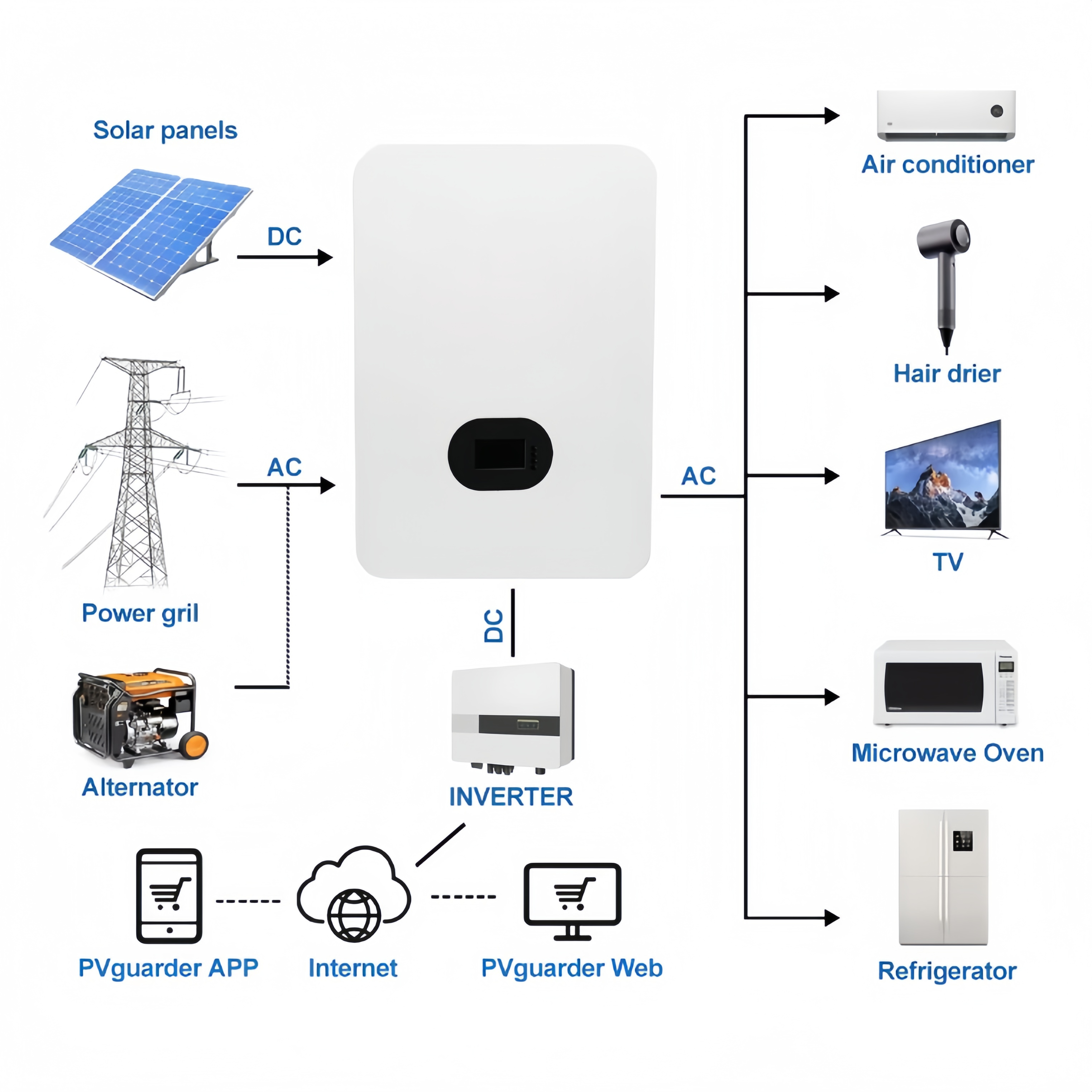
A Lithium Battery for Home Backup stores energy for outages, peak shaving, and self-consumption. When paired with a hybrid inverter or energy management system, it can automatically supply essential loads when the grid fails.
Home backup battery systems are increasingly used for:
· Keeping lights, routers, refrigerators, and medical devices running.
· Reducing dependence on unstable grids.
· Increasing solar self-consumption.
· Managing time-of-use electricity tariffs.
· Building a more resilient household energy system.
RV and Camping
RV owners and campers use lithium batteries to power refrigerators, lighting, water pumps, cooking appliances, fans, communication equipment, and entertainment devices. Compared with lead acid batteries, lithium batteries reduce weight
and improve usable capacity, which is valuable in mobile applications.
For RV and camping users, LiFePO4 is often preferred because it supports deep cycling and long-term off-grid use. A lithium battery paired with solar panels can create a compact and quiet power system without the noise or fuel requirements of a gas generator.
Industrial Applications
Industrial users deploy lithium battery systems in many environments, including:
· UPS backup systems.
· Warehouse and logistics equipment.
· Telecom backup power.
· Marine and railway systems.
· Commercial energy storage.
· Construction and field operations.
· Peak shaving and demand charge management.
How Long Does a Lithium Battery Last?
How long a Lithium Battery lasts depends on chemistry, cell quality, depth of discharge, charge rate, temperature, storage conditions, and system design. In general, a quality rechargeable lithium battery lasts much longer than a traditional lead acid battery under comparable deep-cycle use.
A LiFePO4 Battery used in energy storage may support thousands of cycles when properly managed. In practical terms, this can translate into many years of service for solar storage, home backup, and portable power station applications.
Important factors that affect battery lifespan include:
Depth of discharge: Shallower discharge can extend cycle life.
Temperature: Excessive heat accelerates aging.
Charge voltage: Overcharging damages cells and increases risk.
Discharge rate: High current can increase stress and heat.
Storage state of charge: Long-term storage at extreme full or empty states can reduce lifespan.
BMS quality: Protection and balancing improve pack reliability.
Are Lithium Batteries Safe?
A Lithium Battery can be safe and reliable when it is properly designed, manufactured, certified, installed, used, transported, and recycled. However, lithium batteries store significant energy in a compact form, so poor-quality cells, improper charging, physical damage, overheating, or incorrect disposal can create safety risks.
The most discussed safety concern is thermal runaway, a condition where internal heat generation becomes self-sustaining and can lead to fire. The risk varies by chemistry, cell quality, pack design, and protection system.
Safety should be evaluated across the full product lifecycle:
Key safety checkpoints include:
Manufacturing quality: Cell grading, welding control, insulation testing, aging tests, capacity matching, and traceability.
Electrical protection: BMS safeguards against overcharge, over-discharge, overcurrent, short circuit, reverse polarity, and temperature extremes.
Thermal design: Proper heat control helps prevent hotspots and keeps the battery within its specified operating range.
Certification and compliance: Buyers may need test reports for battery cells, packs, transport, and energy storage systems, depending on market and application.
End-of-life handling: Used lithium-ion batteries should not enter regular household garbage or standard recycling bins; proper collection and terminal protection reduce fire risk and support material recovery.
A dedicated safety cluster article can use the anchor [Are Lithium Batteries Safe?]([Internal Link Opportunity]).
How to Choose the Right Lithium Battery
Choosing the right Lithium Battery requires matching the battery to the electrical load, application environment, system architecture, and business model. For B2B buyers, a professional selection process should include both technical and supplier-level evaluation.
1. Define the Application
Start with the use case. A battery for a portable power station is different from a rack-mounted solar storage battery, wall-mounted home battery, telecom backup battery, or industrial cabinet system.
Ask:
· Is the battery used daily or only during emergencies?
· Is the system off-grid, grid-tied, or hybrid?
· Will it be indoors, outdoors, mobile, or stationary?
· What loads must it support?
· How many hours of backup are required?
2. Calculate Capacity Requirements
Battery capacity is usually measured in watt-hours or kilowatt-hours. Estimate daily consumption, required backup time, depth of discharge, inverter efficiency, and future expansion needs.
For example, a home backup system for essential loads may need far less capacity than a whole-home backup system. A solar storage project should also account for seasonal sunlight variation and the customer’s self-consumption goals.
3. Check Voltage and Inverter Compatibility
Lithium batteries must match the inverter, charger, or power conversion system. Confirm voltage range, maximum charge/discharge current, communication protocols, CAN/RS485 compatibility, and approved inverter lists.
4. Evaluate Battery Chemistry
For many storage applications, LiFePO4 is preferred because it balances safety, cycle life, and cost. NMC may be suitable when energy density and weight are critical. The best choice depends on the application’s priorities.
5. Review Cycle Life and Warranty Terms
Do not compare cycle life claims without test conditions. Review warranty length, throughput limits, capacity retention terms, and exclusions. A strong warranty should reflect the manufacturer’s confidence in cell quality and pack design.
6. Confirm Certifications
Certification needs vary by market and application. Ask suppliers for relevant certificates, test reports, transport documents, and installation documentation. For distributors, certification readiness can reduce market-entry risk.
7. Assess Supplier Capability
For B2B buyers, the supplier matters as much as the battery specification. Evaluate manufacturing experience, R&D capability, quality control, production capacity, customization support, after-sales service, documentation quality, and ability to support long-term cooperation.
Soft CTA: Explore lithium battery products
If you are planning a solar storage, home backup, RV, or industrial energy storage project, explore our lithium battery product range to compare voltage platforms, capacity options, cycle-life specifications, and integration support. A properly matched battery system can reduce lifetime cost and improve project reliability.
Future Trends in Lithium Battery Technology
The Lithium Battery industry continues to evolve quickly as energy storage becomes central to renewable energy, electrification, and grid resilience. Several technology and market trends are shaping the next generation of batteries.
Longer-Life LiFePO4 Systems
LiFePO4 Battery technology is expected to remain strong in stationary energy storage because of its cycle life, stability, and suitability for deep-cycle applications. Improvements in cell consistency, BMS algorithms, and pack structure will continue to support longer service life.
Sodium-Ion and Alternative Chemistries
Sodium-ion batteries are gaining attention as a potential complement to lithium batteries, especially where cost and material availability are major concerns. While sodium-ion may not replace lithium in every segment, it could become important in certain stationary storage applications.
Smarter Battery Management Systems
Future BMS platforms will use more advanced state-of-health estimation, cloud monitoring, predictive maintenance, and system-level optimization. For distributors and integrators, smarter diagnostics can reduce service costs and improve customer satisfaction.
Higher Integration with Solar and Grid Systems
Lithium batteries are becoming part of complete energy ecosystems that include solar panels, hybrid inverters, EV chargers, smart meters, energy management software, and virtual power plant platforms.
Recycling and Circular Supply Chains
Battery recycling is becoming increasingly important as more lithium-ion batteries reach end of life. Recycling can recover valuable materials, reduce waste risk, and support a more sustainable battery supply chain.
Safer and More Transparent Manufacturing
B2B buyers increasingly expect traceability, certification, responsible sourcing, and documented quality systems. Brands that can demonstrate engineering depth and transparent testing will have an advantage in competitive energy storage markets.
Soft CTA: Explore energy storage solutions
For distributors, EPC companies, and solar integrators, a battery is not just a component. It is part of a complete energy storage solution. Contact our team to discuss lithium battery systems for solar storage, home backup, commercial projects, and custom OEM/ODM requirements.
Frequently Asked Questions
What is a Lithium Battery?
A Lithium Battery is a battery that uses lithium-based chemistry to store and release electrical energy. In rechargeable lithium-ion batteries, lithium ions move between the anode and cathode during charge and discharge.
What is the difference between a Lithium Battery and a LiFePO4 Battery?
A LiFePO4 Battery is one type of lithium battery that uses lithium iron phosphate as the cathode chemistry. It is widely used in solar storage, home backup, RV, and portable power applications because it offers long cycle life and strong
thermal stability.
Is a Lithium-Ion Battery rechargeable?
Yes, a Lithium-Ion Battery is rechargeable. It stores energy through reversible ion movement between electrodes. Rechargeable lithium battery products are used in electronics, portable power stations, electric vehicles, and energy storage
systems.
What is the best Lithium Battery for solar storage?
The best Lithium Battery for solar storage depends on capacity, voltage, inverter compatibility, cycle life, safety certification, installation environment, and budget. In many residential and commercial storage projects, LiFePO4 is a preferred chemistry because of its deep-cycle performance and long life.
Can a Lithium Battery be used for home backup?
Yes. A Lithium Battery for Home Backup can store electricity from solar panels or the grid and supply power during outages. It is commonly used with a hybrid inverter, backup load panel, and energy management system.
How long does a Lithium Battery last?
A lithium battery can last for years, and many LiFePO4 energy storage batteries support thousands of cycles under proper operating conditions. Actual lifespan depends on temperature, depth of discharge, charge rate, cell quality, and BMS
protection.
Are Lithium Batteries safe for indoor use?
Many lithium battery systems are designed for indoor use, but safety depends on chemistry, product design, certification, installation, ventilation, and compliance with local electrical codes. Always follow manufacturer instructions and use qualified installers for stationary systems.
What is a deep cycle lithium battery?
A deep cycle lithium battery is designed to discharge and recharge repeatedly over many cycles. It is commonly used in solar energy storage, RV power systems, marine applications, and backup power systems.
What battery is used in a portable power station?
A portable power station battery is usually a lithium-ion or LiFePO4 battery pack integrated with an inverter, charger, BMS, and output ports. LiFePO4 is increasingly popular because it offers long cycle life and strong safety characteristics.
Can lithium batteries work with solar panels?
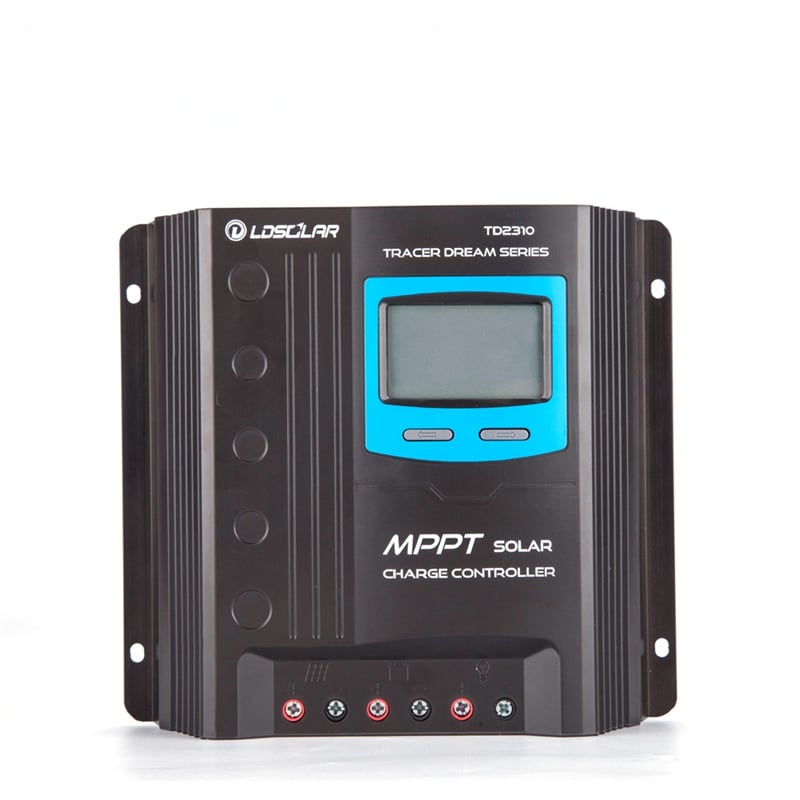
Yes. Lithium batteries can work with solar panels when paired with a suitable solar charge controller, hybrid inverter, or integrated energy storage system. Correct voltage, charging profile, communication, and protection settings are essential.
Soft CTA: Explore portable power station products
If your customers need mobile power for camping, outdoor work, emergency backup, or off-grid lifestyles, explore our portable power station products built with reliable lithium battery technology and solar charging compatibility.
Conclusion
A Lithium Battery is more than a modern replacement for older battery technologies. It is a foundation of portable power, solar energy storage, home backup power, industrial resilience, and the broader clean-energy transition.
For B2B buyers and energy storage professionals, the best lithium battery decision requires more than checking capacity and price. Chemistry, cycle life, BMS design, safety features, certification, inverter compatibility, thermal management, warranty terms, and supplier capability all determine real-world performance.
LiFePO4 Battery systems have become especially important for solar storage, home backup, RV, camping, portable power station battery packs, and deep cycle lithium battery applications because they offer a strong balance of long life, safety, and practical value. NMC, LCO, and other lithium-ion battery chemistries remain important in applications where energy density, weight, or compact design are priorities.
As demand grows for renewable energy and reliable backup power, lithium battery technology will continue to advance. Brands, distributors, and integrators that understand the full battery system—not just the cell—will be better positioned to deliver safe, efficient, and long-lasting energy storage solutions.
 Hot News
2026-08-20
2026-08-16
2026-08-12
2026-08-03
2026-07-30
2026-07-26

Pittar Power is a professional manufacturer specializing inenergy storage solutions.
Room 302, Building 1, No. 10, Huangjin First Road, Nancheng District, Dongguan City, Guangdong Province, China
Copyright © Shenzhen Pittar Power Co., Ltd. All Rights Reserved Privacy Policy
 EN
EN