In an era where we are more connected and mobile than ever, the demand for reliable, off-grid power has skyrocketed. Whether you are an outdoor enthusiast seeking the best portable power station for your adventures or a homeowner preparing for unexpected outages, understanding this technology is crucial.
But exactly what is a portable power station, and why has it become an essential tool for modern living? In this comprehensive guide, we will explore everything from the internal mechanics to the practical benefits of owning a portable power station, helping you determine which model fits your lifestyle.
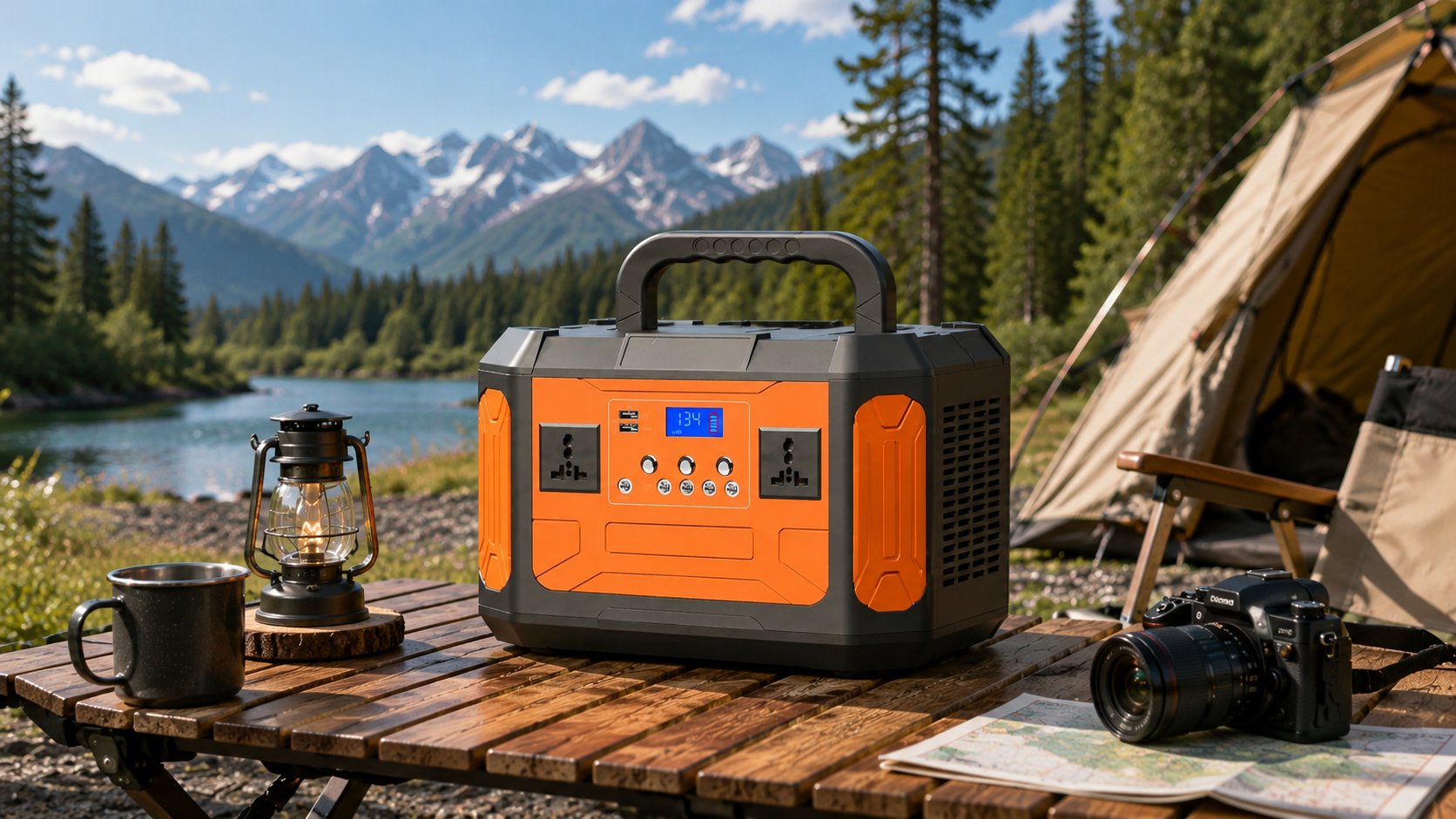
At its core, a portable power station (PPS) is a high-capacity, rechargeable battery-driven generator. Unlike traditional gas-powered generators that rely on combustion, a portable battery power station stores electricity in a compact, manageable unit, allowing you to power electronic devices—from smartphones and laptops to CPAP machines and mini-fridges—wherever you go.
Think of it as a giant power bank, but far more sophisticated. While a standard power bank might only charge your phone via USB, a professional-grade Portable power station features multiple outlets, including standard AC wall sockets, DC carports, and high-speed USB-C PD ports. This versatility makes it the cornerstone of any camping power solution or emergency kit.
The operation of a portable power station is a masterclass in efficient energy management. It functions through a three-stage process:
When paired with solar panels, these units become a solar portable power station. This setup creates a sustainable Solar Charging System, allowing you to recharge your battery using nothing but sunlight. This is particularly valuable for long-term off-grid living and reducing your carbon footprint.
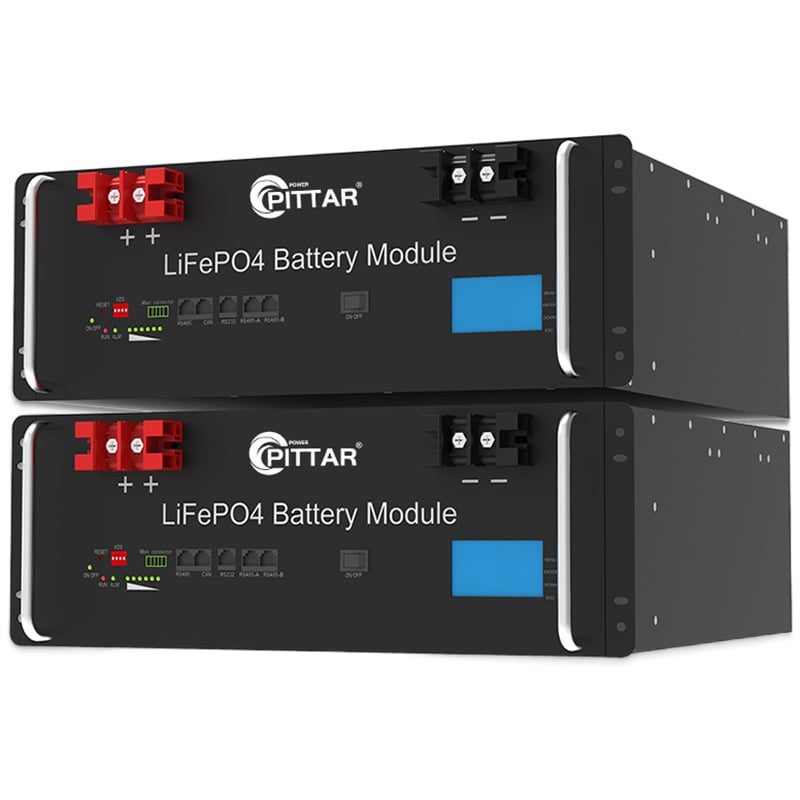
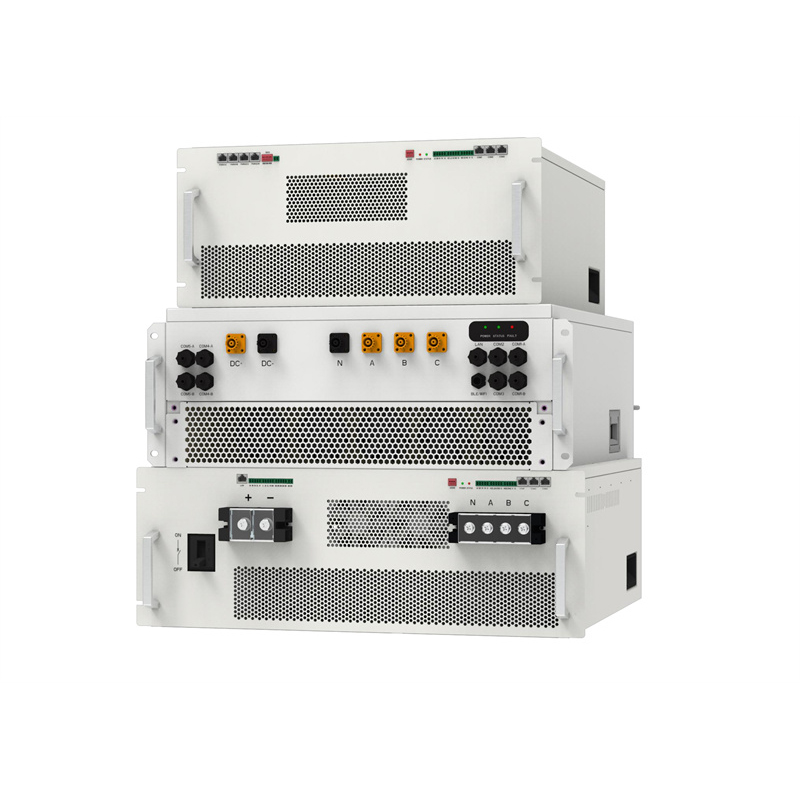
To appreciate the reliability of the best portable power station models, one must look at the high-tech components inside:
[CTA 1: Soft Invitation] Curious about how these components come together in a real-world product? Explore our latest range of high-performance portable power stations designed for durability and efficiency.Benefits of Using a Portable Power Station
Why choose a portable power station over other power sources? The advantages are numerous:Portability and Compactness: Modern units are designed with ergonomic handles and lightweight materials, making them a perfect outdoor portable power station choice.
- Quiet Operation: Unlike gas generators that roar at 60-80 decibels, a battery station is virtually silent, making it ideal for peaceful campsites or night-time home use.
- Zero Emissions: Since there is no fuel combustion, you can safely use a portable power station indoors. This makes it a superior portable power station for home backup during storms.
- Low Maintenance: No oil changes, no fuel stabilization, and no spark plug replacements. Simply keep it charged, and it’s ready to go.
- Cost-Effective: While the upfront investment exists, the "fuel" (sunlight or grid electricity) is significantly cheaper than gasoline over the product's lifespan.
Common Applications
The versatility of a portable power station means it can be used in a wide array of scenarios:1. Portable Power Station for Camping and Van Life
For many, a portable power station for camping is no longer a luxury—it’s a necessity. It powers LED lights, electric grills, and keeps navigation devices charged, ensuring a comfortable Camping Power Solution without sacrificing the "great outdoors" experience.2. Portable Power Station for Home Backup
When the grid goes down, a portable power station for home backup keeps the essentials running. It can power your Wi-Fi router, lamps, and even a full-sized refrigerator for several hours, providing peace of mind during Home Backup Power emergencies.3. Outdoor Events and Professional Work
From outdoor weddings to remote construction sites, an outdoor portable power station provides the necessary juice for speakers, cameras, and power tools without the mess of extension cords or the fumes of a traditional generator.4. Solar Energy Storage
As part of an Outdoor Energy Storage strategy, users can capture free energy during the day to use at night, furthering their energy independence.Portable Power Station vs. Traditional Generator
Feature Portable Power Station Gas Generator Fuel Source Electricity / Solar Gasoline / Propane Noise Level Silent High (Loud) Indoor Use Safe Dangerous (CO Poisoning) Maintenance Minimal High (Regular Service) Sustainability High (Renewable) Low (Fossil Fuels) While gas generators are powerful for heavy-duty industrial tasks, the portable power station is the clear winner for recreational, indoor, and sustainable use cases.
[CTA 2: Soft Invitation] Need help deciding which capacity is right for you? Our expert team can help you calculate your energy needs and match you with the perfect solar generator setup.How to Choose the Right Portable Power Station
Selecting the best portable power station requires looking at four key metrics:
- Capacity (Watt-Hours - Wh): This tells you how much energy the station can store. For example, a 500Wh unit can power a 50W device for approximately 10 hours.
- Power Output (Watts - W): This is the maximum "pull" the station can handle. Ensure the "Running Watts" and "Starting Watts" (Surge) of your appliances don't exceed the station's rating.
- Battery Chemistry: Look for LiFePO4 (Lithium Iron Phosphate) batteries. They offer 3,000+ charge cycles compared to the 500-800 cycles of standard Lithium-ion, making them a more durable Lithium Battery Technology investment.
- Recharge Speed: Check if the unit supports "Dual Charging" (Wall + Solar) to get back to 100% in record time.
Frequently Asked Questions (FAQ)
What can a 1000Wh portable power station run?
A 1000Wh unit can typically run a 60W mini-fridge for about 13-15 hours, charge a laptop 15+ times, or run a 10W LED light for nearly 80 hours.Can I leave my portable power station plugged in all the time?
Most modern stations feature smart BMS technology that prevents overcharging, so leaving it plugged in is generally safe and ensures it's always ready for an emergency.How long do portable power stations last?
Units with LiFePO4 batteries can last 10 years or more with regular use, while standard NCM battery units usually last 3 to 5 years before their capacity significantly degrades.Can a portable power station jump-start a car?
While some specialized models have this feature, most standard portable power stations are designed for continuous power delivery, not the high-instantaneous-cranking amps needed to start an engine.Conclusion
In summary, a portable power station is the ultimate bridge between traditional energy and a mobile, sustainable future. By integrating advanced Lithium Battery Technology with versatile output options, it has revolutionized how we approach outdoor energy storage and home backup power.Whether you are looking for a solar portable power station to live off the grid or simply need a reliable portable power station for camping, the right choice depends on balancing capacity, portability, and safety. Invest in a high-quality unit today, and never worry about being "left in the dark" again.[CTA 3: Final Call-to-Action] Ready to empower your next adventure? Browse our collection of industry-leading portable power stations and take the first step toward true energy independence.
 Hot News
2026-08-20
2026-08-16
2026-08-12
2026-08-03
2026-07-30
2026-07-26

Pittar Power is a professional manufacturer specializing inenergy storage solutions.
Room 302, Building 1, No. 10, Huangjin First Road, Nancheng District, Dongguan City, Guangdong Province, China
Copyright © Shenzhen Pittar Power Co., Ltd. All Rights Reserved Privacy Policy
 EN
EN