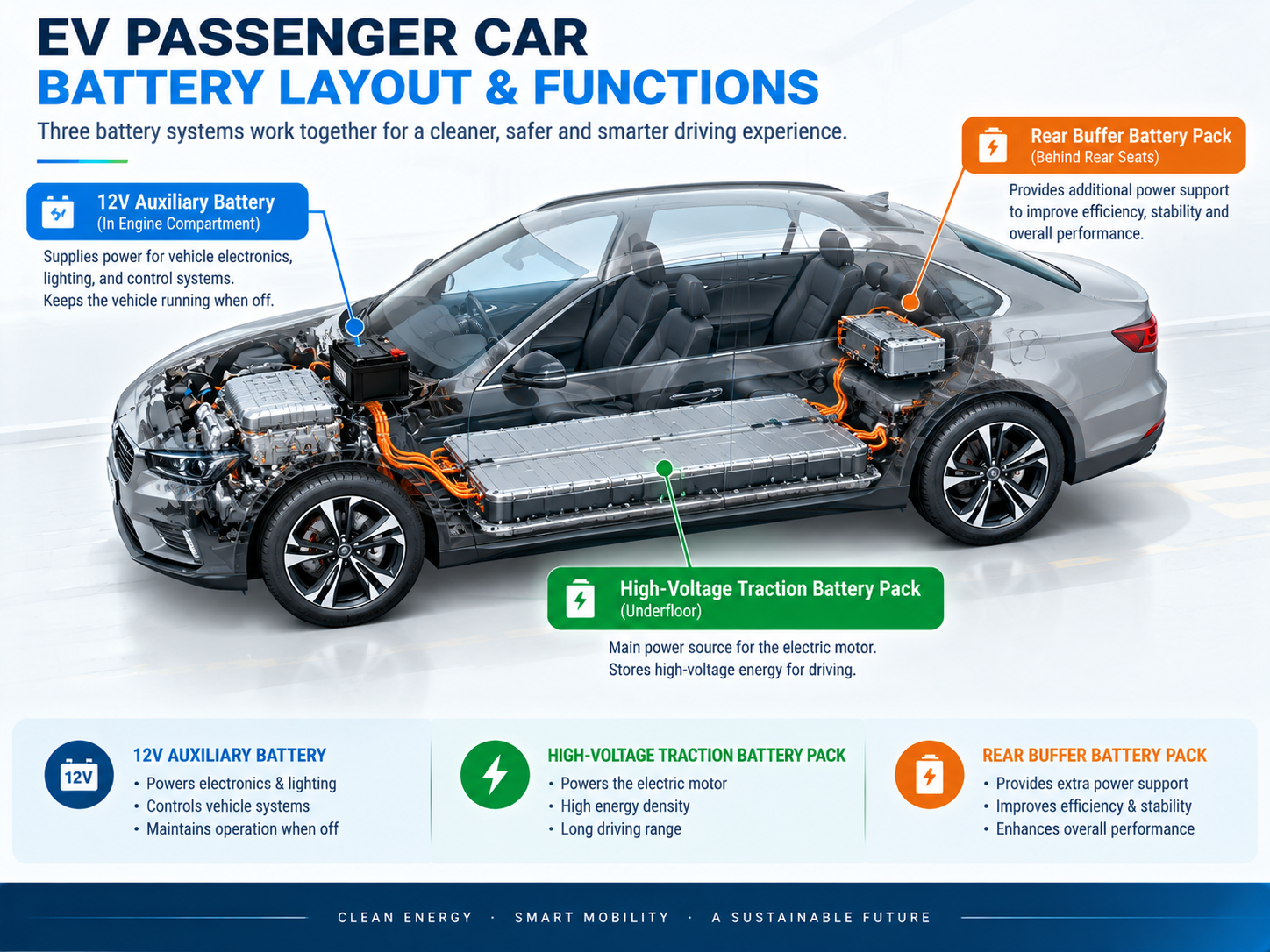
Sodium-ion batteries are a credible choice for some jobs in a car and the wrong choice for others. This guide separates the battery slots, the five tests every vehicle battery must pass, and the evidence a buyer should demand before committing a programme.
Read More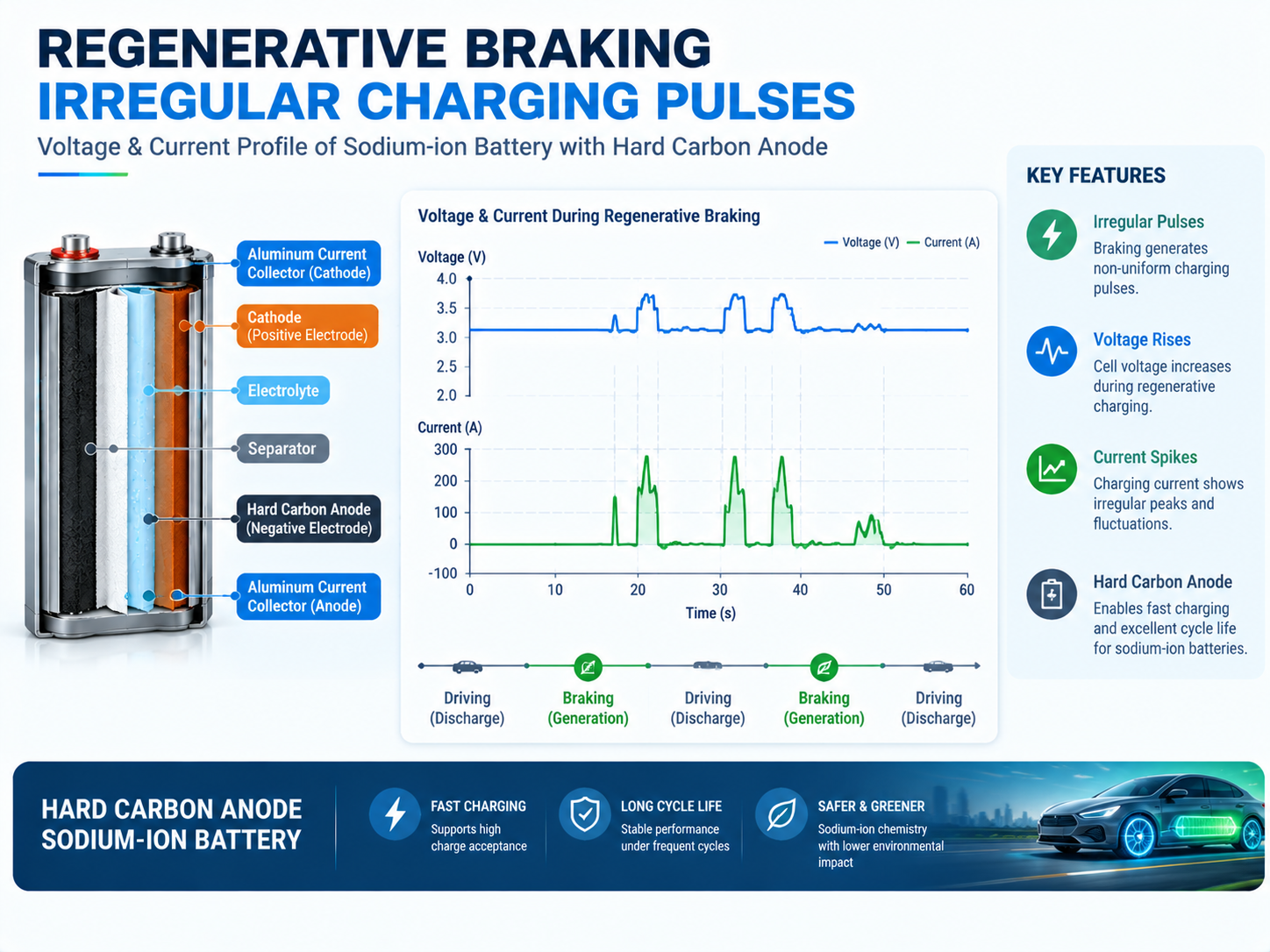
Start-stop vehicles place very different demands on a battery than traditional cars. This article explains why a regular flooded battery falls short, what changes inside a start-stop system, and what buyers and workshops should look for in a battery designed for the duty.
Read More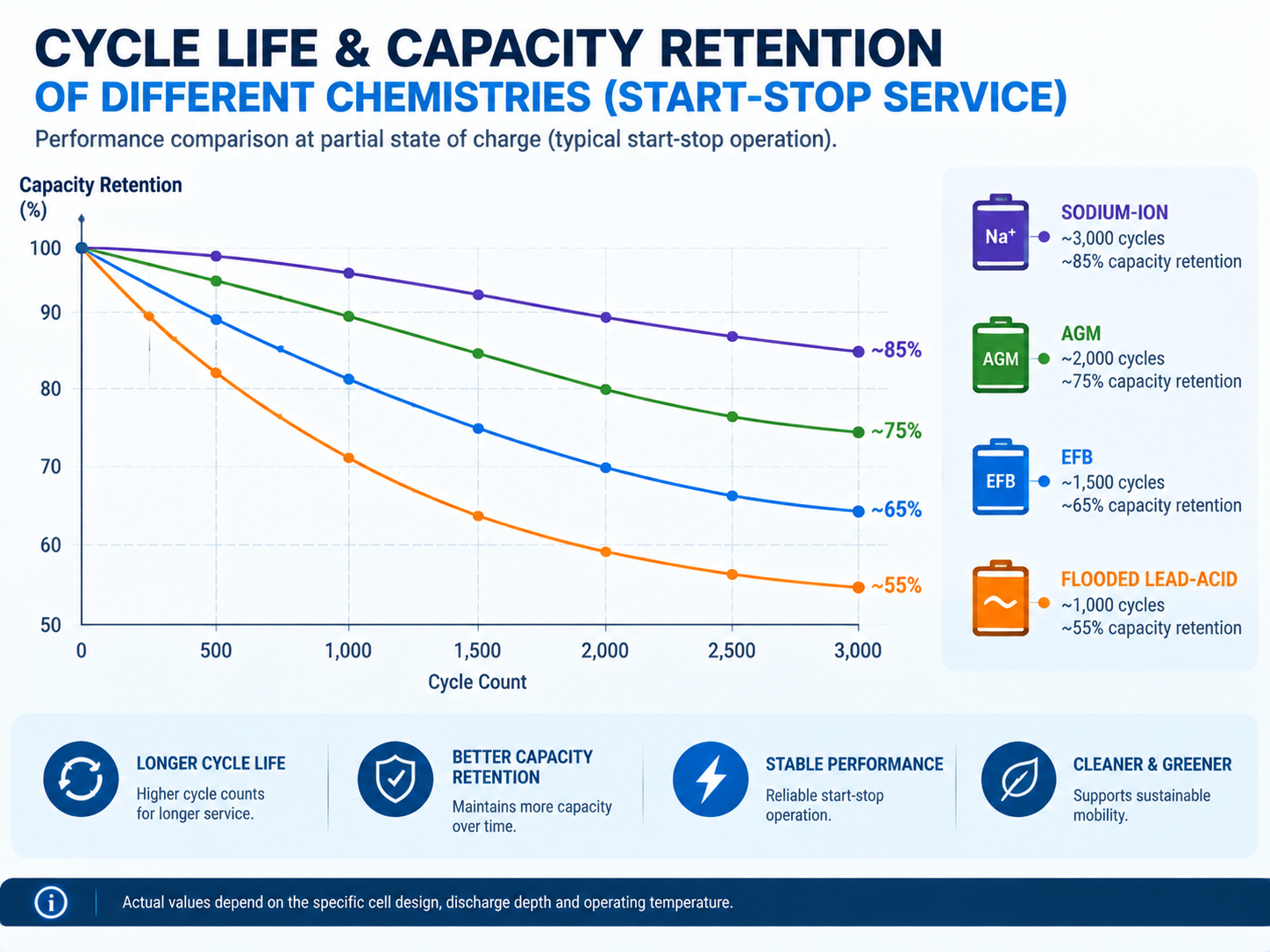
A side-by-side comparison of start-stop batteries (EFB, AGM, sodium-ion) and regular car batteries (flooded lead-acid), covering cranking frequency, cycle life, charge acceptance, electrical load handling, thermal exposure, and what buyers should verify before substituting one for the other.
Read More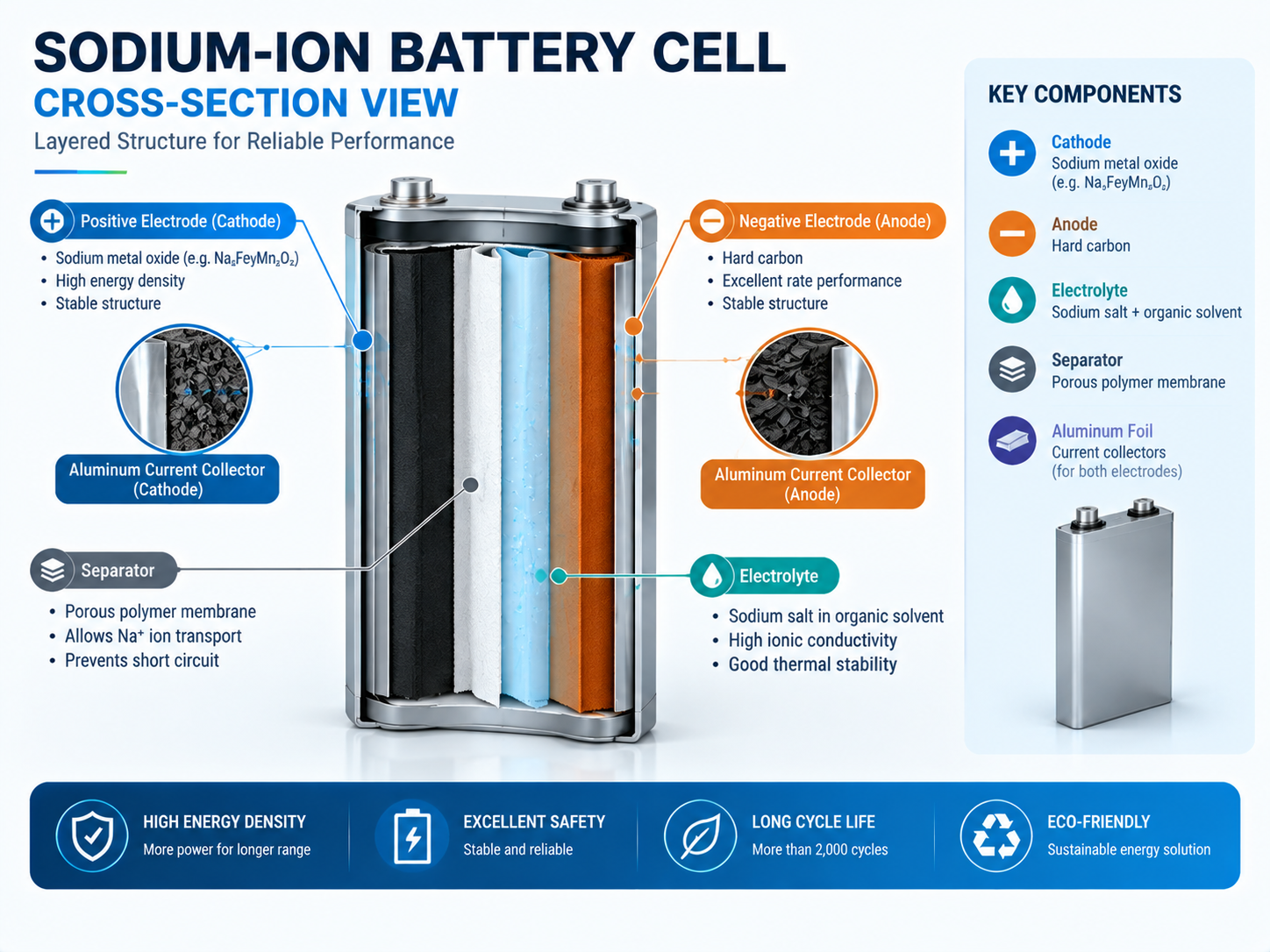
how it compares with lithium-ion for automotive and B2B applications.
Read More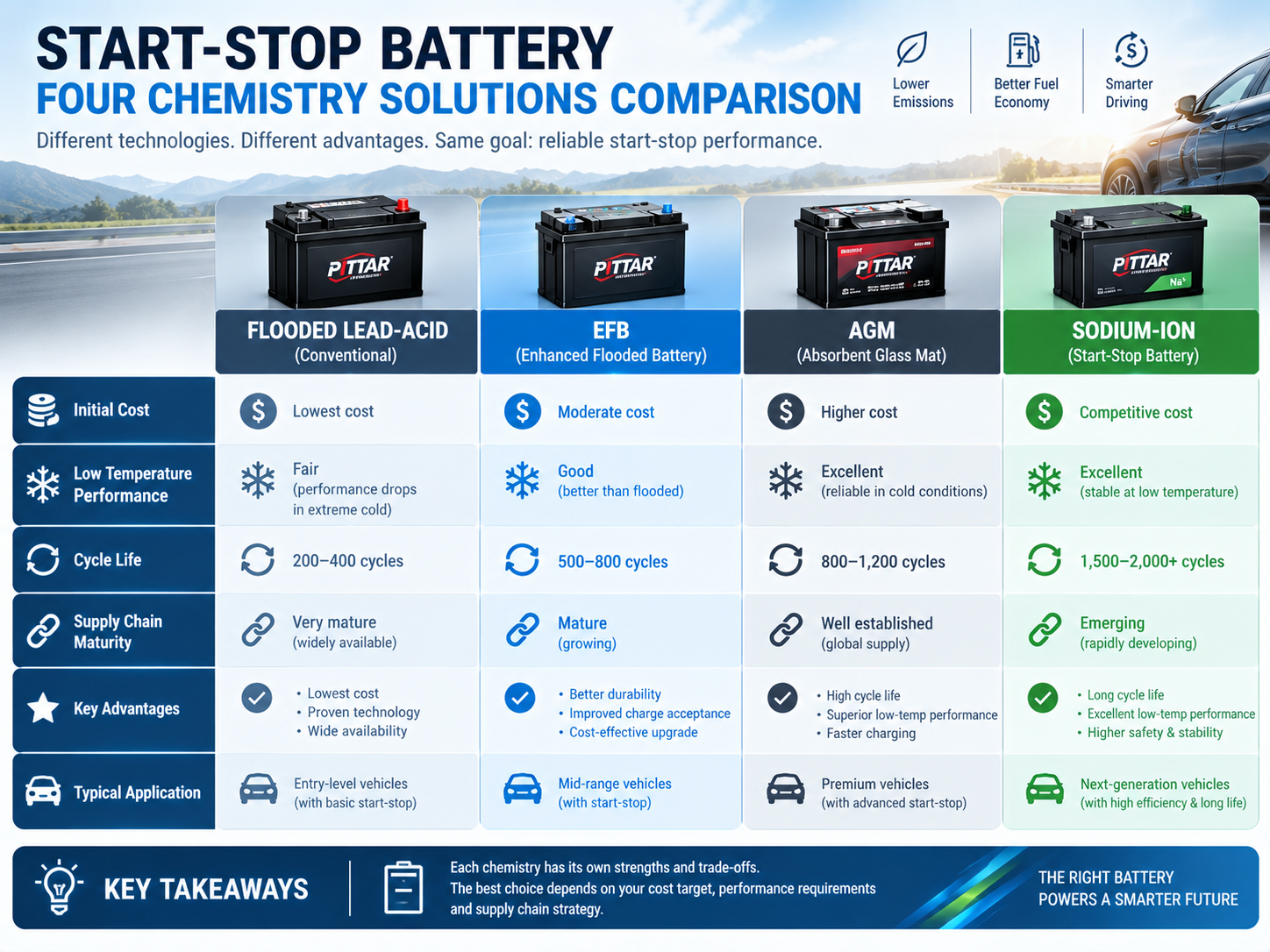
A foundational guide for B2B battery buyers on sodium-ion automotive start-stop batteries: what a start-stop system does, what a start-stop battery has to deliver, how sodium-ion chemistry fits the duty cycle, how it compares with lead-acid, EFB, and AGM, and which checks belong in the supplier diligence process.
Read More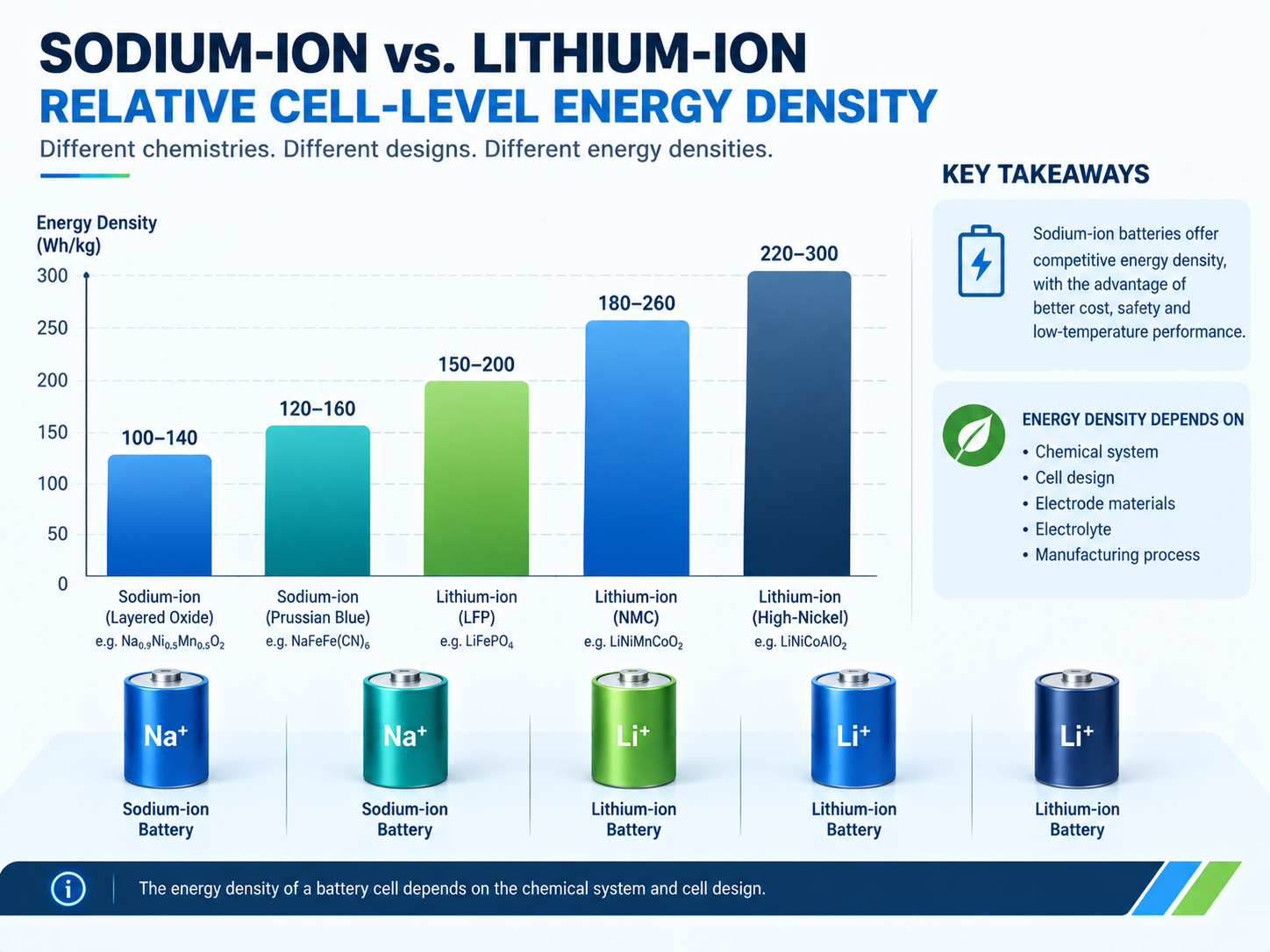
A clear-eyed buyer-focused look at the practical limitations of sodium-ion batteries: energy density gaps versus lithium-ion, technology maturity, cell format standardisation, cold-weather charging trade-offs, automotive certification gaps, manufacturing scale, recycling infrastructure, and what each limitation means for automotive Start-Stop sourcing.
Read More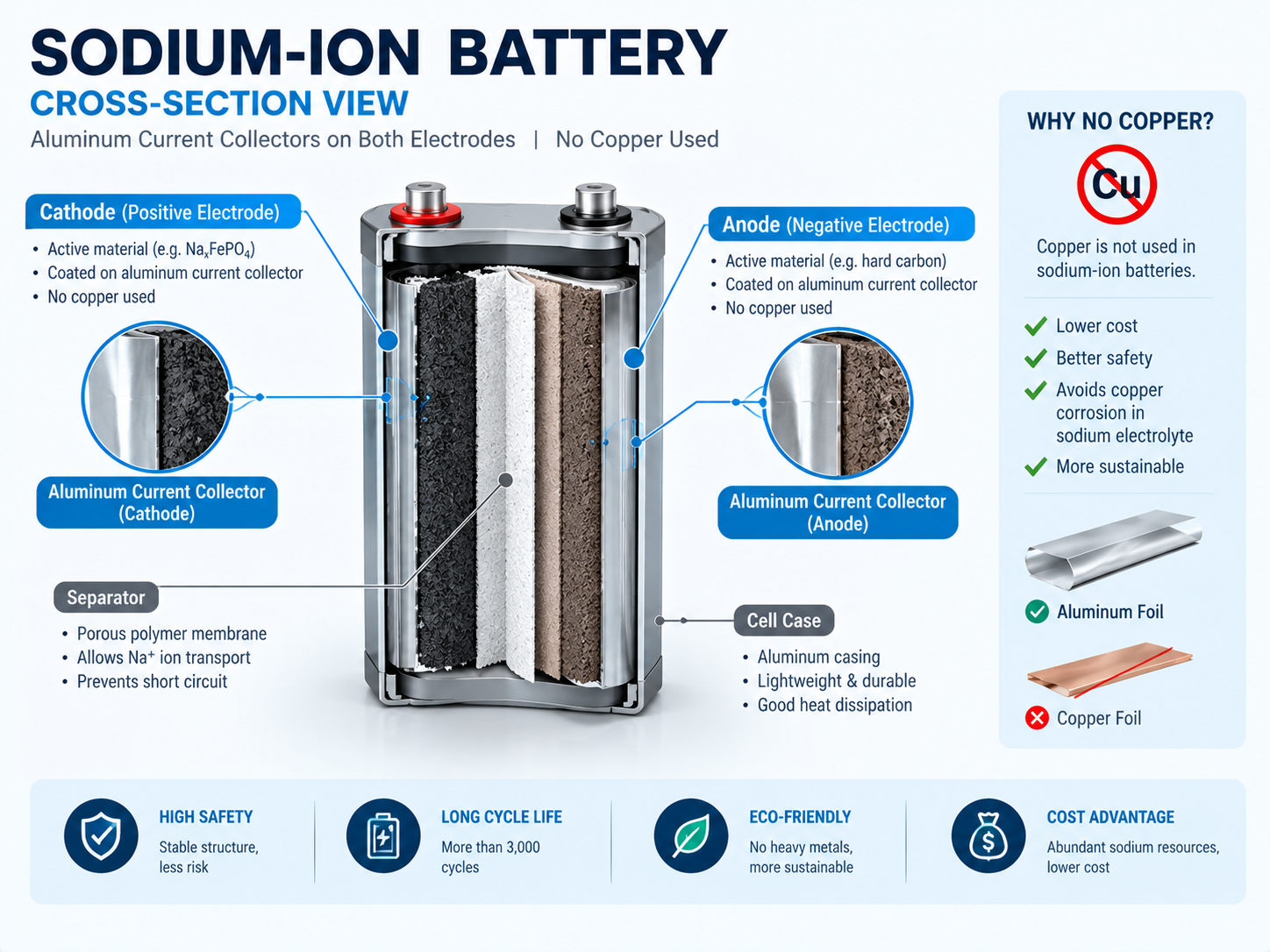
A buyer-focused look at the practical advantages of sodium-ion batteries — sodium resource availability, raw-material cost potential, aluminum current collectors, low-temperature performance, thermal stability, manufacturing compatibility, and what these advantages mean for automotive Start-Stop applications. URL Slug: /blog/what-are-the-advantages-of-sodium-ion-batteries
Read More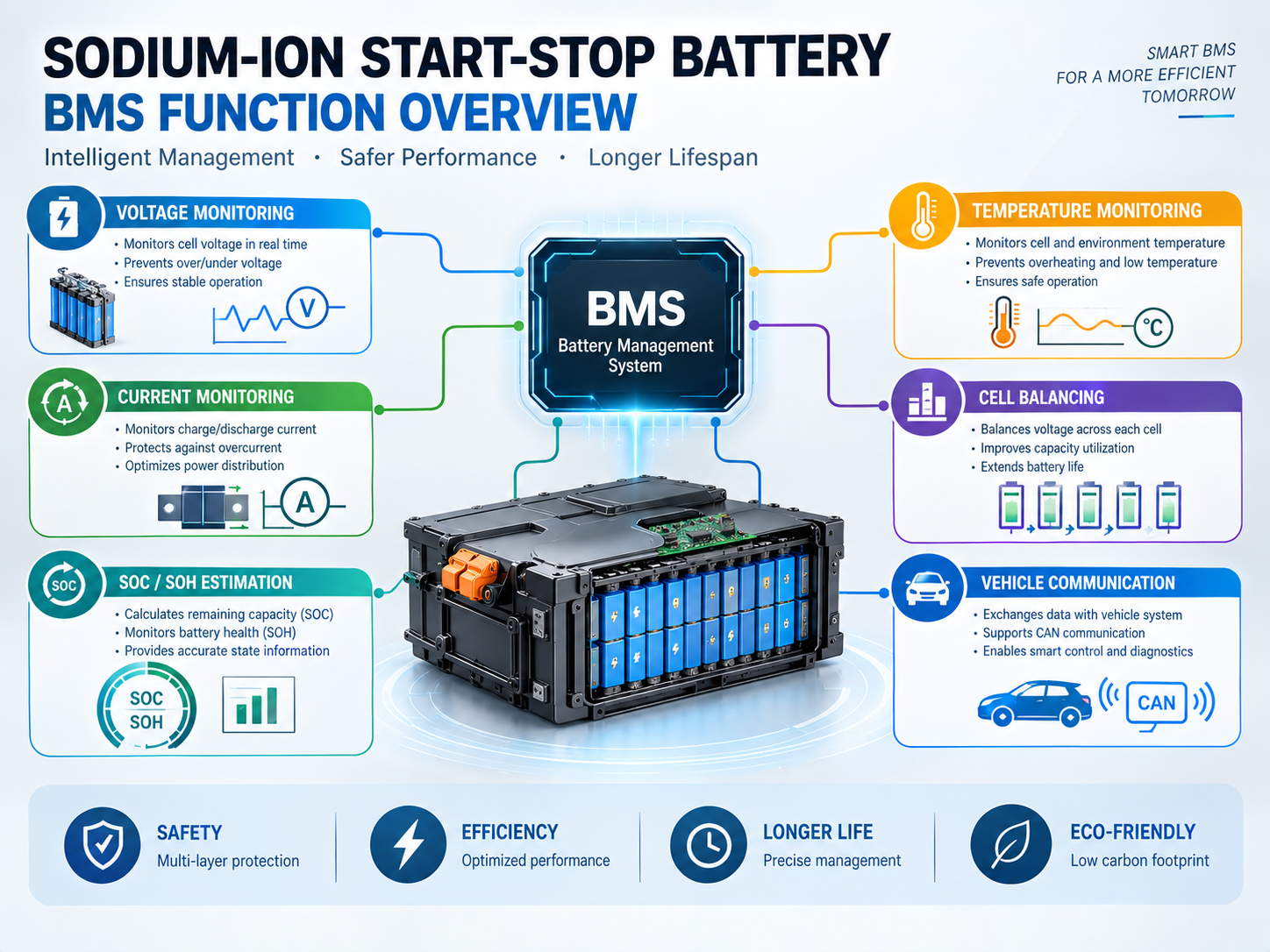
A practical breakdown of sodium-ion battery components — cathode materials, hard carbon anodes, electrolyte, separator, current collectors, BMS, and pack assembly — for B2B buyers evaluating sodium-ion products for vehicles.
Read More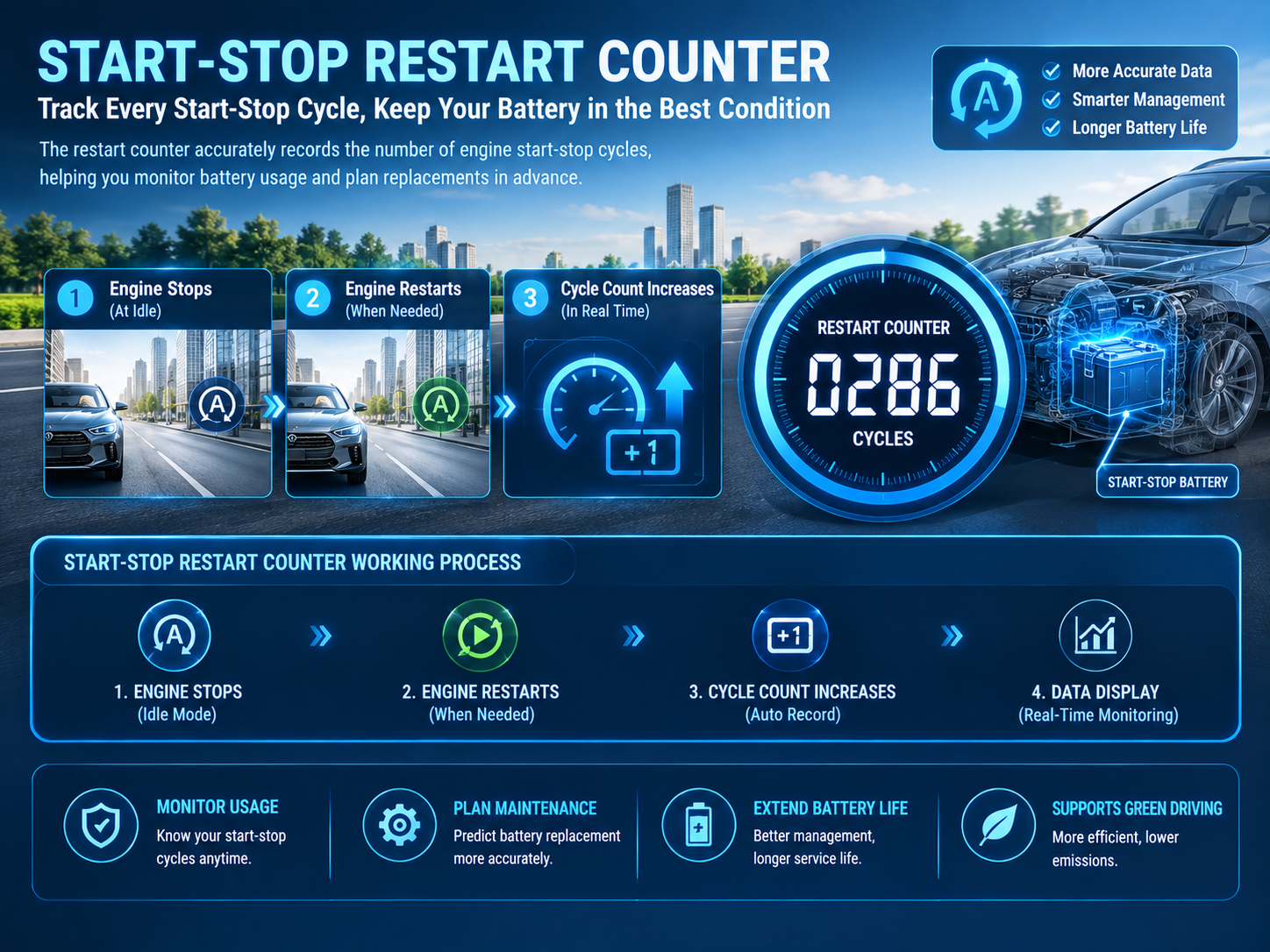
Buyers and technicians often ask how many engine starts a start-stop battery can deliver. This article explains why the answer is not a single number, what governs the real restart count in a vehicle, and what to verify on a vendor specification before committing to a start-stop battery programme.
Read More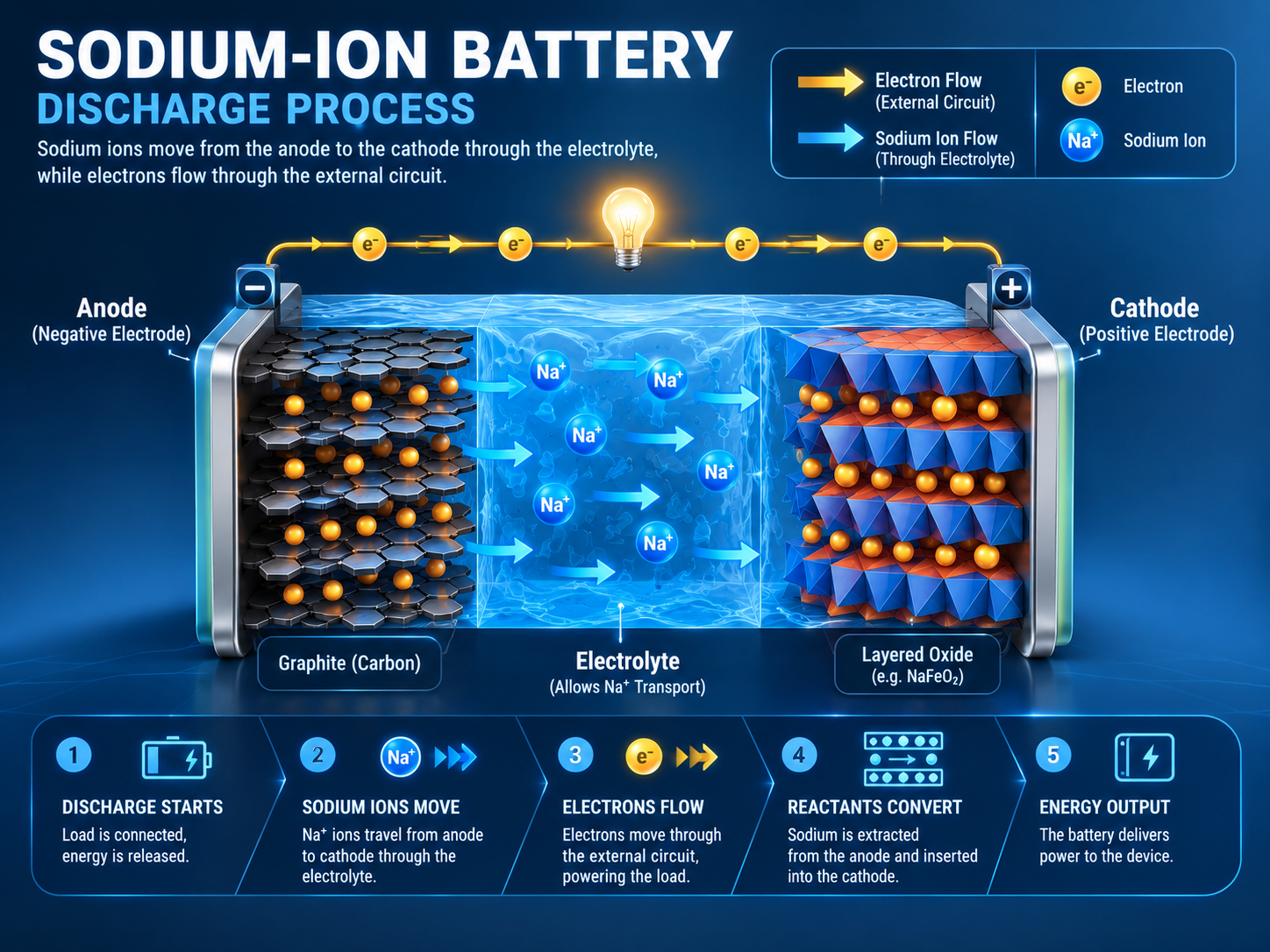
A clear technical walkthrough of how a sodium-ion battery works inside the cell — sodium ion movement, charge and discharge, the BMS, and what it all means for automotive start-stop applications.
Read More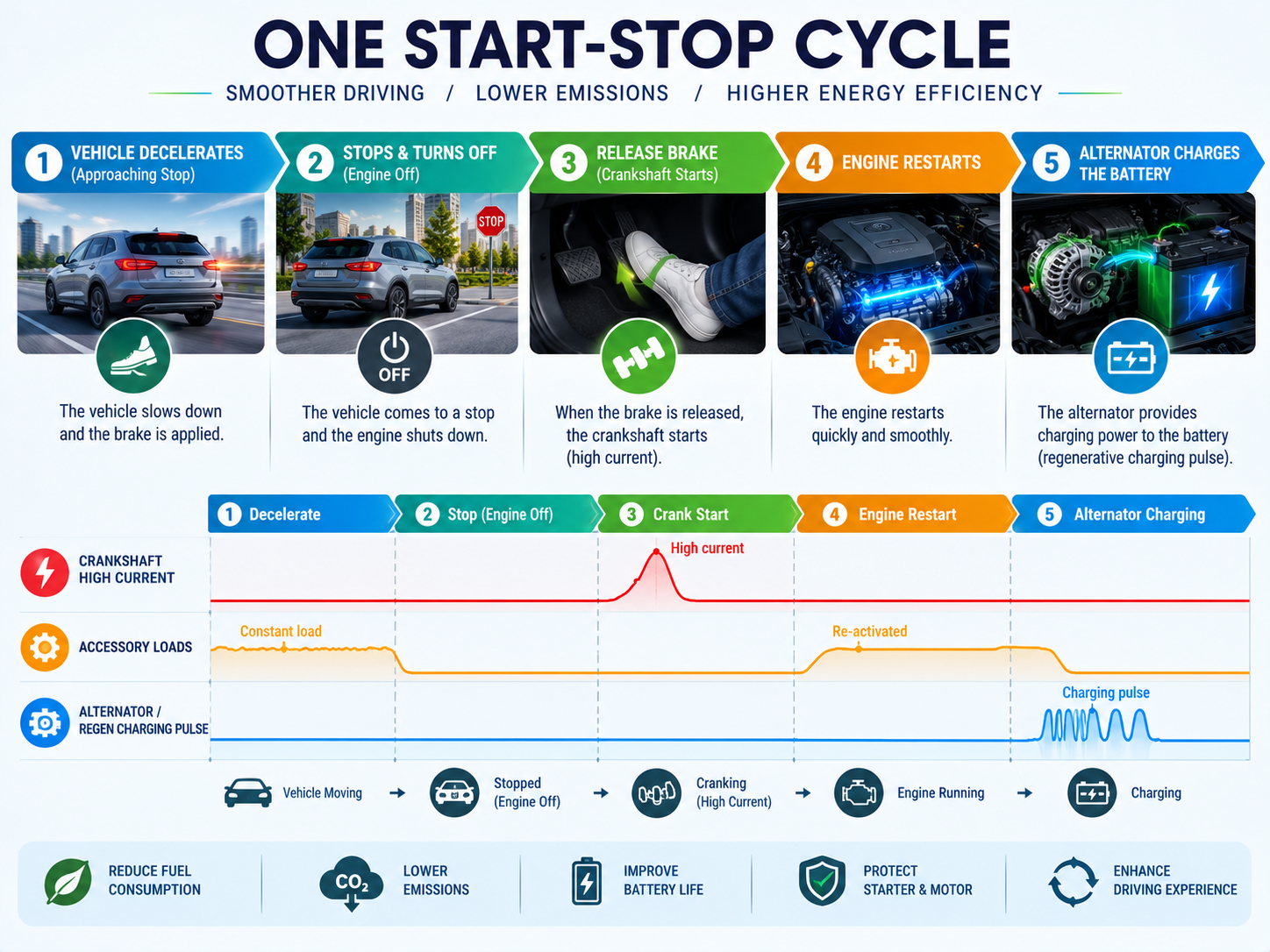
A technical, B2B-oriented guide to how an automotive start-stop battery actually works inside a start-stop system: engine-off at idle, restart on brake release, accessory load during engine-off, alternator and regenerative charge acceptance, partial state of charge operation, BMS coordination, and what the duty cycle demands from sodium-ion or other chemistry choices.
Read More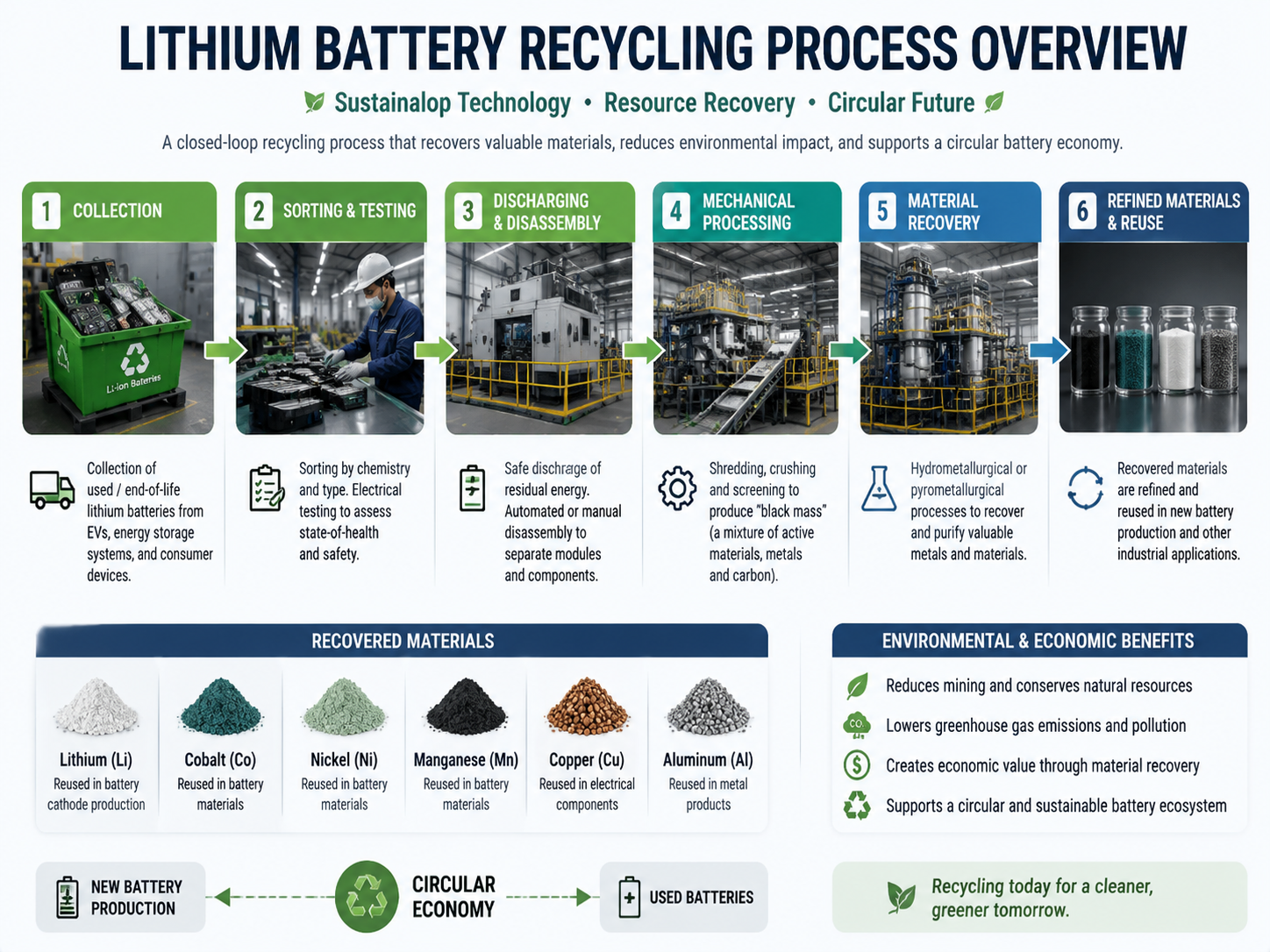
Can Lithium Batteries Be Recycled? Understand end-of-life pathways, recycling process, recoverable materials, LiFePO4 economics, reuse vs repurposing, and responsible disposal.
Read More Hot News
2026-10-30
2026-10-26
2026-10-22
2026-10-14
2026-10-07
2026-10-02

Pittar Power is a professional manufacturer specializing inenergy storage solutions.
Room 302, Building 1, No. 10, Huangjin First Road, Nancheng District, Dongguan City, Guangdong Province, China
Copyright © Shenzhen Pittar Power Co., Ltd. All Rights Reserved Privacy Policy
 EN