Introduction
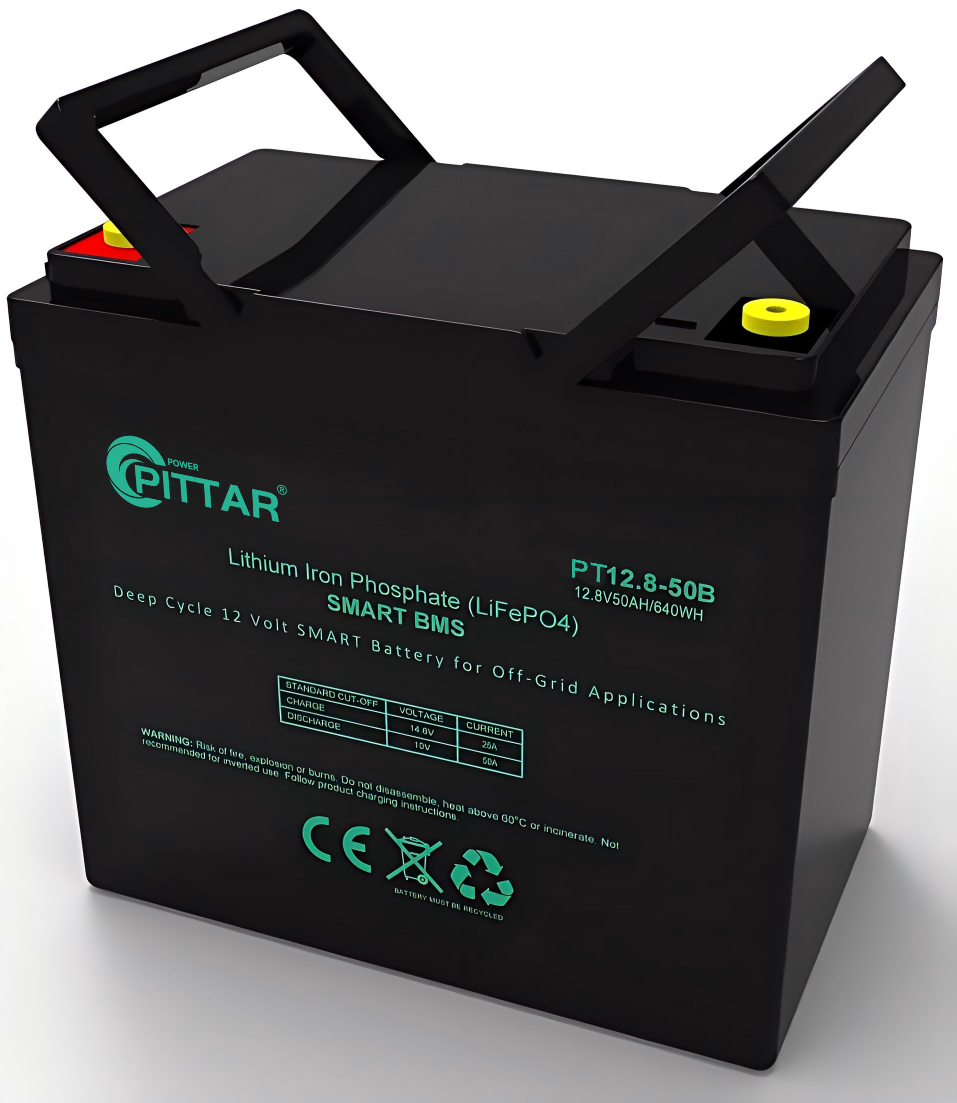
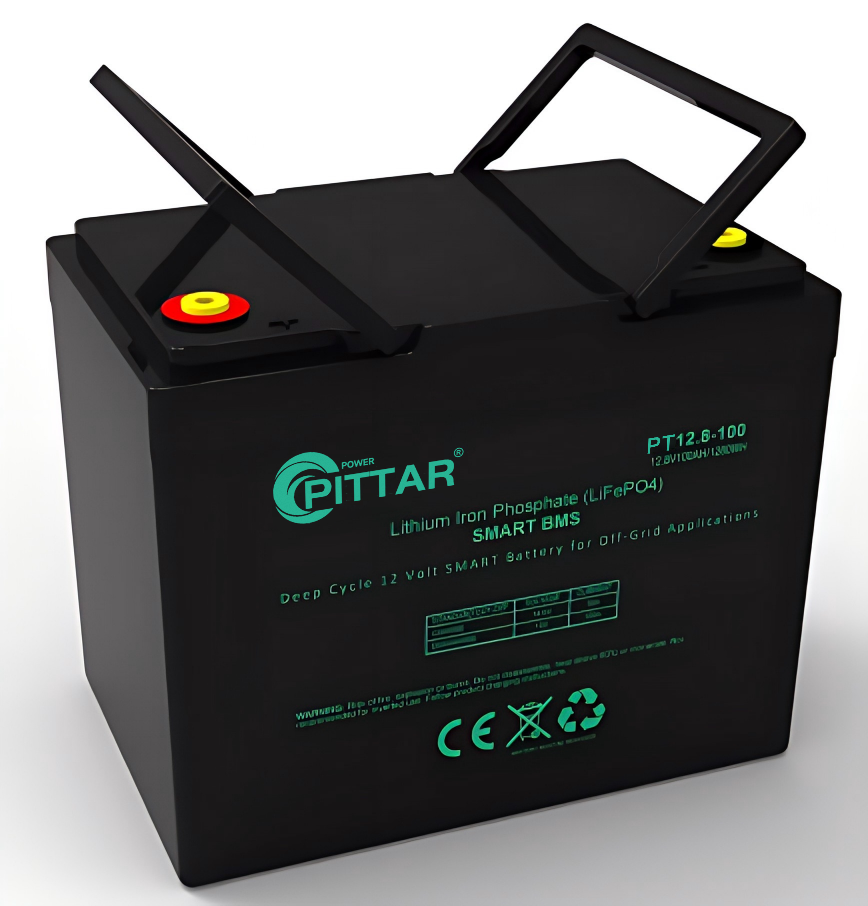
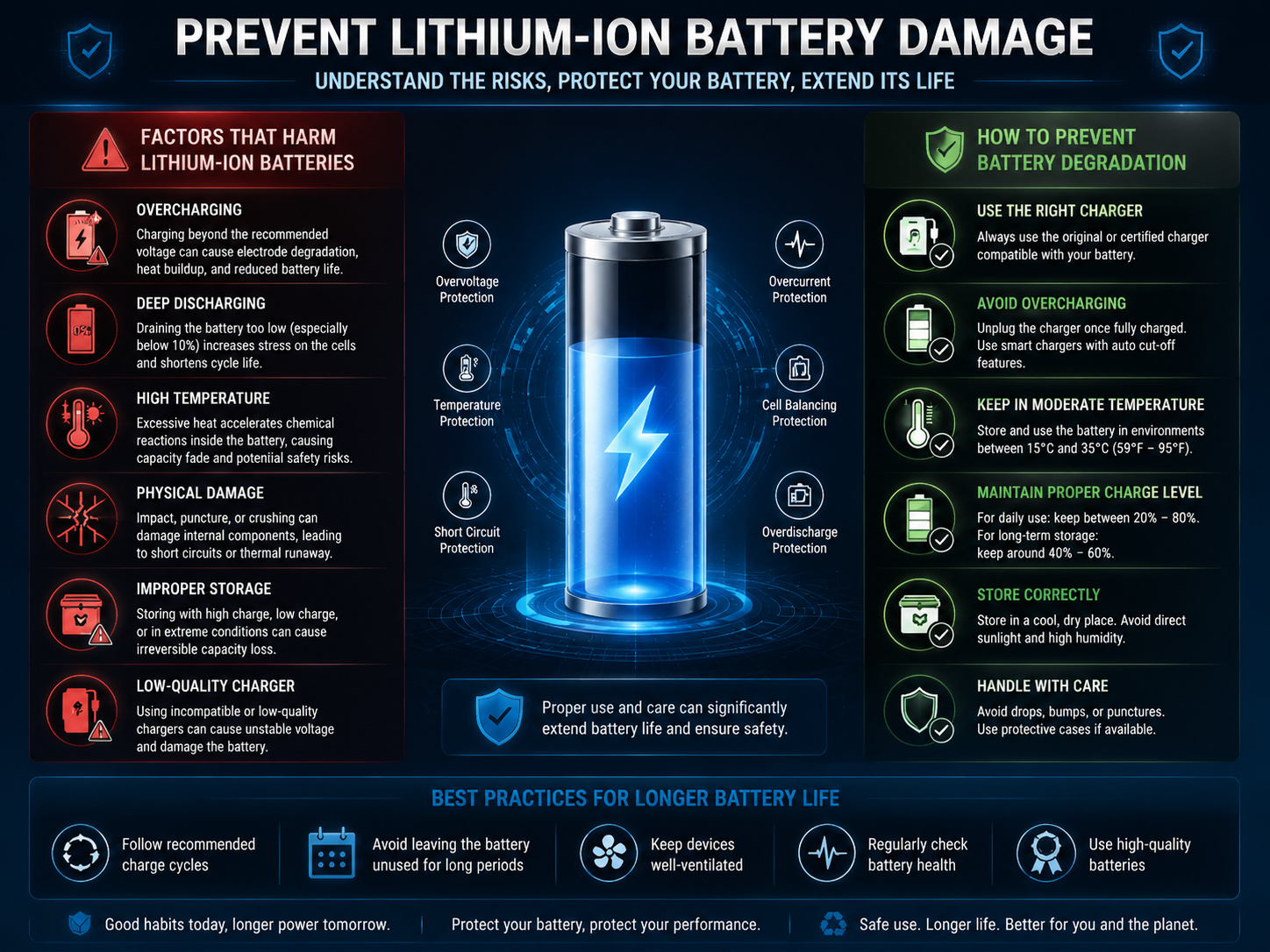
What Damages a Lithium Battery? The most common causes are excessive heat, improper charging, deep discharge, incorrect long-term storage, high current stress, poor battery management, physical damage, and harsh environmental exposure. These factors may not destroy a battery immediately, but they can reduce capacity, shorten cycle life, increase internal resistance, and lead to premature degradation.
For home energy storage users, solar energy system owners, portable power station users, RV and marine users, B2B battery buyers, and energy storage distributors, the goal is not to fear lithium batteries. The goal is to understand what shortens lithium battery life and how to protect battery health in daily use.
This article supports the lithium battery pillar page [What Is a Lithium Battery?] and connects with lifecycle topics such as [How Long Does a Lithium Battery Last?]and [ How Many Cycles Can a LiFePO4 Battery Provide?] .
Why Lithium Batteries Degrade Over Time
All rechargeable batteries degrade over time. Lithium battery degradation happens through both calendar aging and cycle aging. Calendar aging occurs while the battery sits unused. Cycle aging occurs during charging and discharging. The main signs of degradation include:
Degradation Sign |
What It Means |
Shorter runtime |
Usable capacity has declined |
More voltage sag |
Internal resistance may have increased |
Faster low-battery warnings |
Reduced available energy |
More BMS protection events |
Battery or system stress may be present |
Slower or abnormal charging |
Possible imbalance, aging, or charger issue |
Battery degradation is normal. Premature degradation is usually caused by poor operating conditions, wrong charger settings, excessive heat, or repeated misuse.
__________________________________________________________________________________________________
High Temperatures and Thermal Stress
Heat is one of the biggest causes of lithium battery damage. Elevated temperature accelerates chemical reactions inside the cell and can increase the rate of capacity loss. Batteries stored or operated in hot vehicles, direct sunlight, poorly ventilated cabinets, or overheated enclosures may age faster.
Common heat-related mistakes include:
Leaving portable power stations in hot cars.
Installing batteries near engines, heaters, or inverters without airflow.
Storing batteries in direct sunlight.
Operating high loads without ventilation.Ignoring temperature alarms.
For energy storage systems, thermal design is part of battery protection. A high-quality battery still needs a reasonable installation environment.
__________________________________________________________________________________________________
Extremely Low Temperatures
Cold temperature usually does not age lithium batteries as quickly as heat, but it can reduce available capacity and create charging risks. Many lithium batteries, especially LiFePO4 batteries, should not be charged below the manufacturer’s low temperature limit unless they include heating or low-temperature charging protection.
Cold-related risks include:
Condition |
Possible Effect |
Low-temperature discharge |
Reduced available capacity and power output |
Charging below recommended limit |
Potential cell stress or BMS protection |
Outdoor winter storage |
SOC drift, condensation, and enclosure issues |
Rapid temperature change |
Moisture and condensation risk |
For RV, marine, and off-grid users, winter storage and cold-weather charging settings should be planned before the season changes.
__________________________________________________________________________________________________
Overcharging and Improper Charging
Overcharging or using the wrong charger can damage a lithium battery. Lithium batteries require specific voltage limits and charge profiles. A charger designed for lead-acid batteries may not be suitable unless it has an approved lithium or LiFePO4 mode.
Improper charging can cause:
Cell imbalance.
BMS protection shutdown.
Excess heat.
Accelerated aging.
Reduced cycle life.
Warranty issues.
Practical protection tips:
Use a charger matched to the battery chemistry.
Confirm inverter and solar charge controller settings.
Do not bypass the BMS.
Follow the manufacturer’s voltage and current limits.
Avoid charging outside the recommended temperature range.
For a simple explanation of internal battery operation and BMS protection, see [ How Does a Lithium Battery Work?.]
[Soft CTA 1] Need batteries with reliable protection design? Explore LiFePO4 battery products built for stable charging, intelligent BMS protection, and long-term energy storage applications.
__________________________________________________________________________________________________
Deep Discharging and Excessive Depth of Discharge
Deep discharge means using a large percentage of the battery capacity before recharging. Lithium batteries can usually handle deeper discharge than lead-acid batteries, but repeated excessive discharge can still shorten battery cycle life.
If a lithium battery is discharged too far, the BMS may enter protection mode. In some cases, the battery may require special recovery steps. Leaving a battery deeply discharged for a long time is especially harmful.
Usage Pattern |
Battery Health Impact |
Moderate cycling |
Usually better for long-term life |
Repeated deep discharge |
More cycle stress |
Storage at very low SOC |
Risk of low-voltage protection |
Correct system sizing |
Reduces unnecessary deep cycling |
For high-cycle applications, proper capacity sizing is a maintenance strategy. A battery that is too small may be pushed to deep discharge too often.
__________________________________________________________________________________________________
Long-Term Storage at Incorrect State of Charge
Storage conditions can damage battery health even when the battery is not being used. Storing a lithium battery fully depleted can lead to low-voltage protection or recovery problems. Storing some lithium batteries at very high SOC for long periods can also increase stress.
General storage best practices include:
Store at a partial state of charge unless the manual says otherwise.
Keep the battery cool and dry.
Disconnect parasitic loads.
Check SOC periodically.
Avoid direct sun, damp rooms, and hot vehicles.
For a full storage guide, see [How to Store Lithium Batteries Properly].
__________________________________________________________________________________________________
Poor Battery Management Systems (BMS)
The BMS is one of the most important protection systems in a lithium battery pack. It monitors voltage, current, temperature, and protection limits. In many packs, it also supports cell balancing and communication with chargers or inverters.
A weak or poorly matched BMS may allow harmful conditions or shut down too often under normal use. For B2B buyers, BMS quality is a major part of product quality.
A good BMS helps protect against:
Risk |
BMS Role |
Overcharge |
Stops charging beyond safe voltage |
Over-discharge |
Prevents voltage from dropping too low |
Overcurrent |
Limits excessive load or charge current |
Temperature extremes |
Blocks unsafe operation |
Cell imbalance |
Helps maintain pack consistency |
For safety-focused education, see [Are Lithium Batteries Safe?]
__________________________________________________________________________________________________
High Charge and Discharge Currents
High current can create heat and stress inside the battery. Lithium batteries are often capable of strong power output, but every battery has rated charge and discharge limits. Exceeding these limits can reduce lifespan or trigger BMS protection. High-current stress often appears in:
Undersized battery banks.
Large inverters connected to small batteries.
Marine trolling motors or RV air conditioning loads.
Fast charging beyond recommended current.
Commercial systems without proper load planning.
The solution is proper system sizing. Match battery capacity, BMS current rating, inverter size, cable gauge, fuse rating, and charger output.
__________________________________________________________________________________________________
Physical Damage and Environmental Factors
Lithium batteries can also be damaged by physical impact, moisture, vibration, dust, corrosion, and poor installation. This matters in RV, marine, outdoor solar, telecom, and industrial environments.
Common risks include:
Risk |
Example |
Impact |
Dropping a battery or crushing a pack |
Moisture |
Water entering terminals or enclosure |
Vibration |
Loose cables in RV or marine systems |
Dust/debris |
Blocked ventilation or dirty connectors |
Corrosion |
Poor terminal protection in humid environments |
Poor mounting |
Battery movement during transport |
Do not use a battery with swelling, abnormal odor, melted casing, severe corrosion, leakage, or signs of overheating. Isolate it and consult the manufacturer.
__________________________________________________________________________________________________
Common Myths About Lithium Battery Damage
Misunderstandings can lead to unnecessary worry or poor maintenance decisions.
Myth |
Reality |
All lithium batteries are fragile |
Quality lithium batteries are durable when used within limits |
LiFePO4 batteries cannot be damaged |
They are stable, but still affected by heat, current, storage, and misuse |
Full discharge is always fine |
Repeated deep discharge can reduce cycle life |
Any charger will work |
Charger chemistry and voltage compatibility matter |
Storage does not matter if unused |
Calendar aging continues during storage |
BMS means no maintenance is needed |
BMS helps protect the battery, but users still need proper operation |
For chemistry differences, see [What Is LiFePO4 Battery?] and [Types of Lithium Batteries Explained.]
__________________________________________________________________________________________________
What Damages a Lithium Battery? In most cases, damage and premature degradation come from avoidable stress: high heat, low-temperature charging, overcharging, deep discharge, poor storage, weak BMS protection, excessive current, physicaldamage, and harsh environments.
Lithium batteries are reliable when selected, installed, and maintained correctly. The key is not complicated maintenance; it is operating the battery within its design limits. For solar storage, home backup, RV, marine, portable power, and commercial energy storage, protecting battery health means using the right charger, controlling temperature, avoiding unnecessary deep discharge, storing properly, and responding to BMS warnings.
[Soft CTA 3] Ready to choose batteries designed for long-term reliability? Compare LiFePO4 battery products, home energy storage battery systems, solar battery storage solutions, and portable power station battery systems for your application.
 Hot News
2026-08-20
2026-08-16
2026-08-12
2026-08-03
2026-07-30
2026-07-26

Pittar Power is a professional manufacturer specializing inenergy storage solutions.
Room 302, Building 1, No. 10, Huangjin First Road, Nancheng District, Dongguan City, Guangdong Province, China
Copyright © Shenzhen Pittar Power Co., Ltd. All Rights Reserved Privacy Policy
 EN
EN