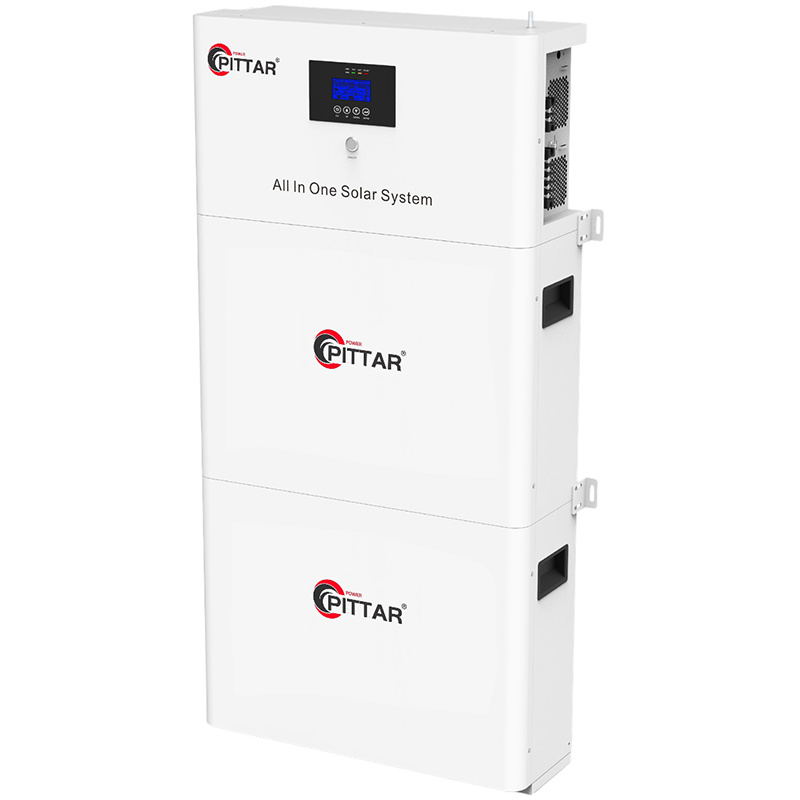
A LiFePO4 Battery is a rechargeable lithium battery that uses lithium iron phosphate as its cathode material. It is widely used in solar energy storage, home backup systems, portable power stations, RV power, marine systems, and industrial equipment because it combines long cycle life, strong safety performance, stable voltage output, and reliable deep-cycle capability.
For B2B battery buyers, energy storage distributors, solar installers, and portable power station brands, understanding What Is LiFePO4 Battery technology is essential. It helps you compare chemistries, evaluate supplier claims, estimate lifetime cost, and select the right battery platform for commercial products or energy storage projects.
_______________________________________________________________
LiFePO4 stands for lithium iron phosphate. The name comes from the chemical formula of the cathode material: lithium (Li), iron (Fe), phosphate (PO4). In the battery industry, LiFePO4 is also commonly called LFP.
A LiFePO4 Lithium Battery is part of the broader lithium-ion battery family, but it uses a different cathode chemistry from NMC, LCO, or other lithium-ion chemistries. This chemistry gives it a practical balance of safety, cycle life, thermal stability, and cost effectiveness.
For energy storage applications, that balance is important. A battery used in a solar cabinet, wall-mounted home battery, RV system, or portable power station may be charged and discharged frequently for years. In these situations, reliability over thousands of cycles can matter more than the highest possible energy density.
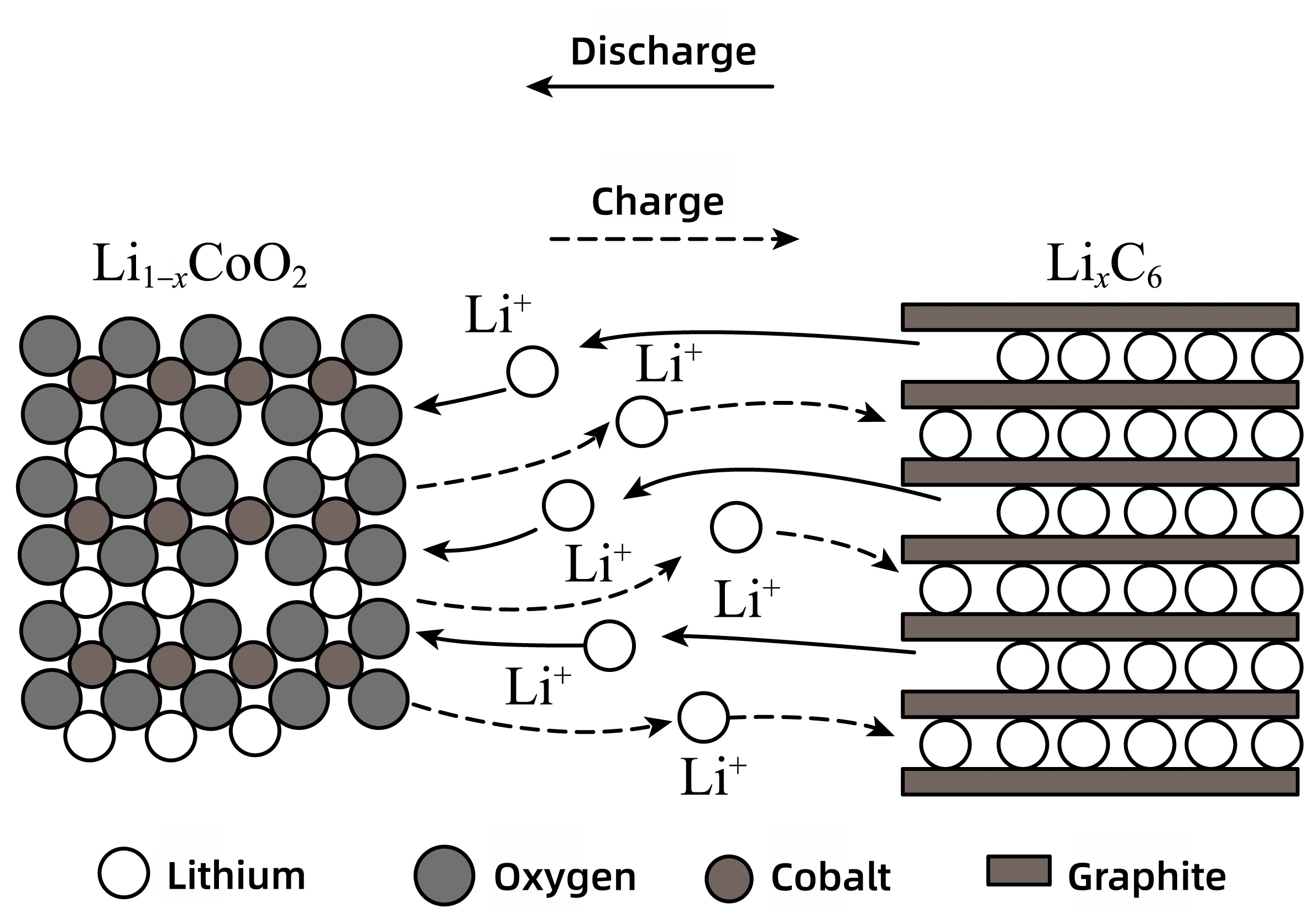
_______________________________________________________________A LiFePO4 Battery stores and releases energy through the movement of lithium ions between the positive electrode and negative electrode. During charging, lithium ions move from the LiFePO4 cathode to the anode. During discharge, they move back to the cathode while electrons flow through an external circuit to power a load.
The basic process includes:
1. Charging: A charger, solar controller, or inverter supplies controlled current and voltage.
2. Ion movement: Lithium ions move through the electrolyte while electrons move through the external circuit.
3. Energy storage: Chemical energy is stored inside the cell structure.
4. Discharging: Stored energy is released to power devices, appliances, or energy storage loads.
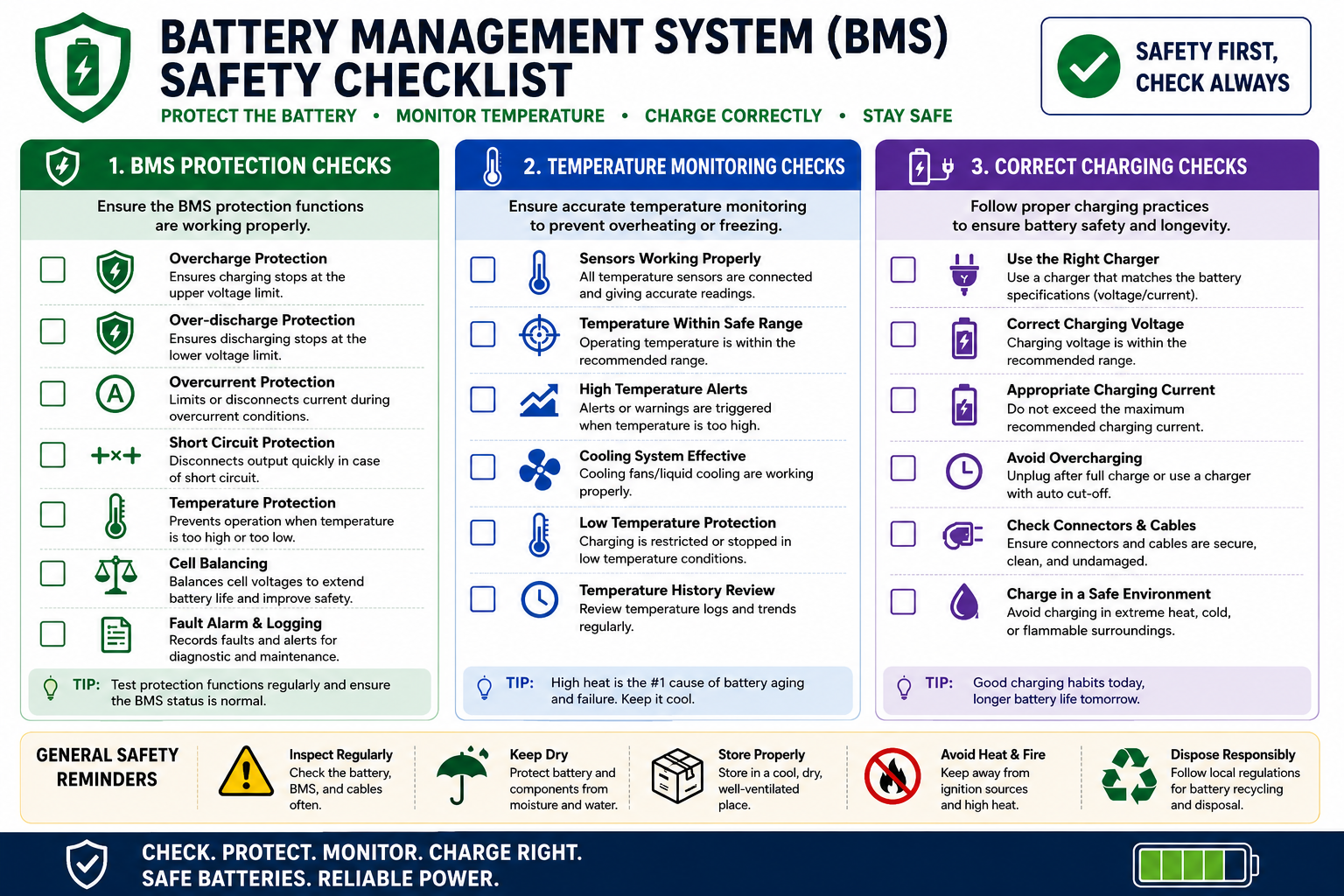
A complete battery pack also depends on a battery management system, or BMS. The BMS monitors voltage, current, temperature, state of charge, and protection limits. In B2B procurement, BMS quality is one of the most important factors separating a basic battery pack from a professional energy storage product.
_______________________________________________________________
A LiFePO4 Battery is not just a group of cells in a case. A reliable pack combines electrochemical, electrical, mechanical, and safety components.
Battery Cells
Cells are the core energy storage units. LiFePO4 cells may be cylindrical, prismatic, or pouch cells. Prismatic cells are especially common in energy storage battery systems because they are efficient to assemble into modules and cabinets.
Cathode and Anode
The cathode uses lithium iron phosphate. The anode is commonly graphite-based. The choice of cathode chemistry is what gives LiFePO4 its strong stability and long-life profile.
Electrolyte and Separator
The electrolyte allows lithium ions to move between electrodes. The separator keeps the positive and negative electrodes apart while allowing ion movement. Quality separators and electrolyte systems are essential for safe, consistent performance.
Battery Management System
The BMS protects the battery from overcharge, over-discharge, overcurrent, short circuit, and extreme temperatures. It also balances cells so the pack operates more consistently over time.
Enclosure and Connections
The enclosure protects the pack from mechanical stress and environmental exposure. Busbars, wiring, fuses, connectors, and communication ports support power delivery and system integration.
___________________________________________________________
The popularity of LFP chemistry comes from a clear set of LiFePO4 Battery Advantages that match the needs of energy storage and deep-cycle applications.
Long Cycle Life
A Deep Cycle LiFePO4 Battery is designed for repeated charging and discharging. Under proper operating conditions, LiFePO4 batteries can often support thousands of cycles, making them attractive for solar storage, RV systems, and home backup. For broader battery lifespan education, link to [How Long Does a Lithium Battery Last?].
High Safety
LiFePO4 chemistry is known for strong thermal and chemical stability compared with some higher-energy lithium chemistries. A well-designed pack with quality cells, a reliable BMS, and proper certification can provide safe operation in demanding storage applications. For a supporting safety article, use [Are Lithium Batteries Safe?].
Lightweight
Compared with lead acid batteries of similar usable capacity, LiFePO4 batteries are usually much lighter. This is valuable for RVs, marine systems, portable energy products, and mobile work applications.
Fast Charging
LiFePO4 batteries generally support faster charging than lead acid batteries when paired with a compatible charger or solar charge controller. This helps solar users recover energy more efficiently during limited daylight hours.
Stable Performance
LiFePO4 batteries provide stable voltage output and strong deep-cycle performance. That stability supports sensitive electronics, backup power loads, off-grid solar systems, and portable power station batteries.
Soft CTA: Explore LiFePO4 battery products
If you are sourcing batteries for solar storage, RV power, marine systems, or industrial backup, explore our LiFePO4 battery product range to compare voltage platforms, capacity options, BMS features, and OEM/ODM customization support.
__________________________________________________________
Many buyers search for LiFePO4 vs Lithium Ion because the terminology can be confusing. Technically, LiFePO4 is one type of lithium-ion battery. In market discussions, however, “lithium-ion” often refers to chemistries such as NMC or LCO, which are common in electric vehicles and consumer electronics.[What Is a Lithium Battery?]
The difference is mainly about chemistry and application fit.
Factor |
LiFePO4 Battery |
Other Lithium-Ion Chemistries |
Cathode material |
Lithium iron phosphate |
Often nickel, manganese, cobalt, or cobalt oxide based |
Energy density |
Moderate |
Often higher |
Cycle life |
Often longer for deep-cycle storage |
Varies by chemistry and design |
Safety profile |
Strong thermal stability |
Requires careful thermal and BMS design |
Common applications |
Solar storage, home backup, RV, portable power stations |
EVs, electronics, power tools, compact devices |
Lead acid batteries are still used in backup power, RV systems, and off-grid applications because they are mature and familiar. However, LiFePO4 batteries usually offer better long-term performance in deep-cycle use.
Factor |
LiFePO4 Battery |
Lead Acid Battery |
Usable capacity |
Higher usable depth of discharge |
Lower recommended depth of discharge |
Cycle life |
Longer in deep-cycle use |
Shorter under frequent deep discharge |
Weight |
Lighter |
Heavier |
Charging speed |
Faster with compatible charging |
Slower |
Maintenance |
Low maintenance |
May require maintenance depending on type |
Lifetime value |
Strong for frequent cycling |
Lower upfront cost but more replacement risk |
For a more detailed comparison, link to [LiFePO4 vs Lead Acid Battery].
For procurement teams, the key is total cost of ownership. A lower initial price does not always mean lower lifecycle cost if the battery must be replaced more often or provides less usable capacity
___________________________________________________________
Common Applications of LiFePO4 Batteries
A LiFePO4 Battery is especially suitable for applications that require safety, long cycle life, and dependable energy storage.
Solar Energy Storage
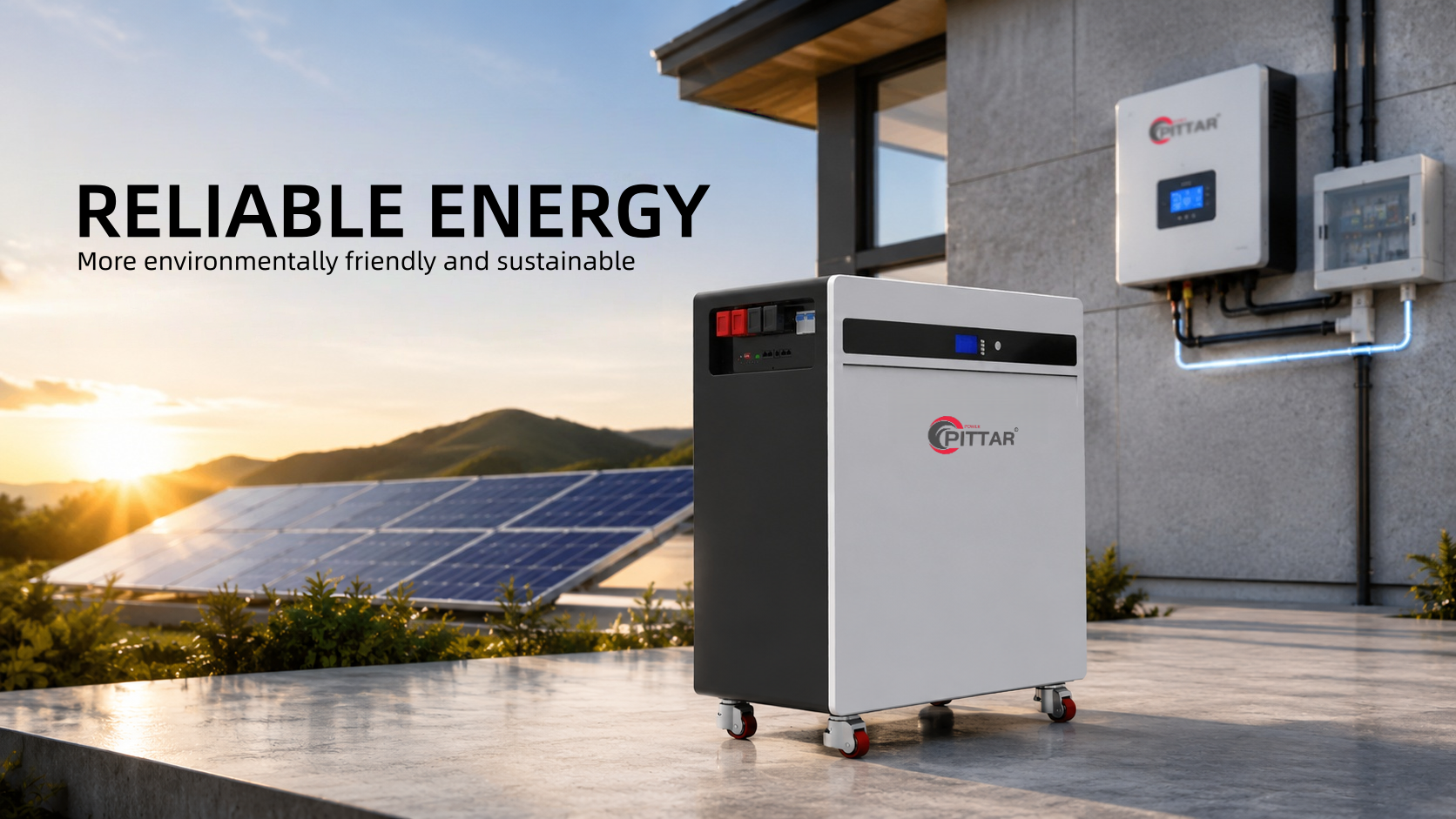
A LiFePO4 Solar Battery stores energy generated by solar panels for later use. It can improve solar self-consumption, support off-grid systems, and provide backup during power outages. For solar-focused buyers, link to [Best Lithium Battery for Solar Storage].
Home Backup Systems
A LiFePO4 battery can store electricity from the grid or solar panels and supply essential loads during outages. It is commonly integrated with hybrid inverters and energy management systems. For related content, use [Home Energy Storage Battery Guide].
Soft CTA: Explore home energy storage batteries
For residential storage projects, our home energy storage battery solutions are designed to support backup power, solar self-consumption, and scalable capacity planning for installers and distributors.
Portable Power Stations
Portable power station brands increasingly use LiFePO4 battery packs because users want longer lifespan, stable output, and safer operation for outdoor and emergency power. Link to [Portable Power Station] product or buying guide pages from this section.
RV and Marine Systems
RV and marine users benefit from lighter weight, deeper usable capacity, and better cycle life compared with lead acid batteries. A LiFePO4 pack paired with solar panels can support lighting, refrigeration, communication devices, water pumps, and onboard electronics.
Industrial Equipment
Industrial applications include telecom backup, UPS systems, mobile workstations, warehouse equipment, field power systems, and commercial energy storage cabinets. For B2B buyers, communication protocol support, enclosure rating, thermal design, and serviceability are important evaluation points.
How Long Does a LiFePO4 Battery Last?
LiFePO4 Battery Lifespan depends on cell quality, pack design, depth of discharge, charge rate, operating temperature, storage conditions, and BMS performance. In well-designed systems, LiFePO4 batteries are known for long cycle life and strong capacity retention compared with many alternatives.
Factors that affect lifespan include:
Depth of discharge: Shallower cycling can extend life.
Temperature: Excessive heat accelerates aging.
Charging profile: Correct voltage and current settings are essential.
Cell consistency: Matched cells help the pack age more evenly.
BMS protection: Reliable monitoring prevents damaging operating conditions.
Storage conditions: Long-term storage should follow manufacturer guidance.
When comparing suppliers, ask for cycle-life data with test conditions. A professional specification should explain depth of discharge, temperature, charge-discharge rate, and end-of-life capacity threshold.
___________________________________________________________
Are LiFePO4 Batteries Safe?
A LiFePO4 Battery is generally considered one of the safer lithium battery chemistries, especially when compared with higher-energy chemistries that require more intensive thermal management. However, safety still depends on product design, manufacturing quality, certification, installation, charging equipment, and user behavior.
Important safety features include:
Cell-level quality control and grading.
BMS protection against electrical abuse.
Temperature monitoring.
Short-circuit and overcurrent protection.
Proper enclosure and insulation design.
Compliance with relevant transport and safety standards.
For stationary storage systems, buyers should also evaluate inverter compatibility, installation environment, ventilation, wiring protection, and local electrical code requirements.
___________________________________________________________
How to Choose the Right LiFePO4 Battery
Selecting the right LiFePO4 Battery requires matching technical specifications to the real application.
Start with these questions:
1. What is the use case? Solar storage, home backup, RV, marine, portable power, telecom, or industrial equipment.
2. What capacity is required? Calculate daily energy consumption, backup duration, and usable depth of discharge.
3. What system voltage is needed? Common systems may use 12V, 24V, 48V, or high-voltage platforms.
4. Is the inverter compatible? Confirm voltage range, charge settings, and CAN/RS485 communication if required.
5. What certifications are needed? Requirements vary by market, application, and sales channel.
6. What is the warranty structure? Review years, cycle limits, throughput conditions, and capacity retention terms.
7. Can the supplier support integration? B2B buyers should evaluate technical documentation, customization capability, lead time, quality control, and after-sales support.
Soft CTA: Explore portable power station batteries
If you are developing or sourcing portable power stations, compare our LiFePO4 battery packs for capacity, discharge power, cycle life, safety protection, and solar charging compatibility.
___________________________________________________________
Frequently Asked Questions
What Is LiFePO4 Battery?
A LiFePO4 Battery is a rechargeable lithium-ion battery that uses lithium iron phosphate as the cathode material. It is valued for long cycle life, high safety, stable performance, and deep-cycle capability.
Is LiFePO4 better than lithium-ion?
LiFePO4 is a type of lithium-ion battery. Compared with some other lithium-ion chemistries, it usually offers stronger safety and longer cycle life, while other chemistries may offer higher energy density.
Is LiFePO4 better than lead acid?
For frequent deep-cycle use, LiFePO4 is often better than lead acid because it is lighter, charges faster, provides more usable capacity, and typically lasts longer. Lead acid may still be chosen when upfront cost is the main concern.
Can LiFePO4 batteries be used for solar storage?
Yes. LiFePO4 batteries are widely used for solar energy storage because they support deep cycling, efficient charging, long lifespan, and stable performance with compatible solar inverters or charge controllers.
Are LiFePO4 batteries good for home backup?
Yes. LiFePO4 batteries are suitable for home backup when paired with a compatible inverter and properly installed system. They can store energy from solar panels or the grid and power essential loads during outages.
How long does a LiFePO4 battery last?
A LiFePO4 battery can last for thousands of cycles under proper operating conditions. Actual lifespan depends on cell quality, depth of discharge, temperature, charge rate, BMS design, and maintenance environment.
Do LiFePO4 batteries need a special charger?
They require a charger or inverter with a charging profile suitable for LiFePO4 chemistry. Using the wrong charging settings can reduce lifespan or trigger protection features.
Can LiFePO4 batteries be connected in series or parallel?
Many LiFePO4 batteries support series or parallel connection, but only within manufacturer-approved limits. Always follow the battery manual and confirm BMS compatibility before system expansion.
___________________________________________________________
Conclusion
A LiFePO4 Battery is a lithium iron phosphate battery designed for long cycle life, high safety, stable output, and dependable deep-cycle performance. For solar installers, energy storage distributors, RV battery users, portable power station buyers, and home backup customers, it offers a strong balance of reliability and lifecycle value.
Compared with many traditional battery options, LiFePO4 technology provides lighter weight, faster charging, deeper usable capacity, and lower maintenance. Compared with other lithium-ion chemistries, it is often preferred where safety, service life, and daily cycling are more important than maximum energy density.
 Hot News
2026-08-20
2026-08-16
2026-08-12
2026-08-03
2026-07-30
2026-07-26

Pittar Power is a professional manufacturer specializing inenergy storage solutions.
Room 302, Building 1, No. 10, Huangjin First Road, Nancheng District, Dongguan City, Guangdong Province, China
Copyright © Shenzhen Pittar Power Co., Ltd. All Rights Reserved Privacy Policy
 EN
EN