Introduction
In this LiFePO4 vs Deep Cycle Battery comparison, the term "Deep Cycle Battery" refers primarily to traditional lead-acid deep cycle batteries, including AGM, Gel, and Flooded Lead Acid batteries. This clarification matters because LiFePO4 batteries can also be designed as deep cycle batteries. In fact, a LiFePO4 Deep Cycle Battery is one of the most popular lithium options for solar storage, RV power, marine applications, and home backup systems.
So the real comparison is not "deep cycle vs not deep cycle." It is LiFePO4 lithium deep cycle batteries vs traditional lead-acid deep cycle batteries.
For B2B battery buyers, solar distributors, RV and marine users, off-grid installers, and energy storage brands, the best choice depends on lifecycle cost, usable capacity, weight, charging speed, safety, maintenance, and application requirements. If you need broader battery fundamentals, start with [What Is a Lithium Battery?].
_____________________________________________________________
What Is a LiFePO4 Battery?
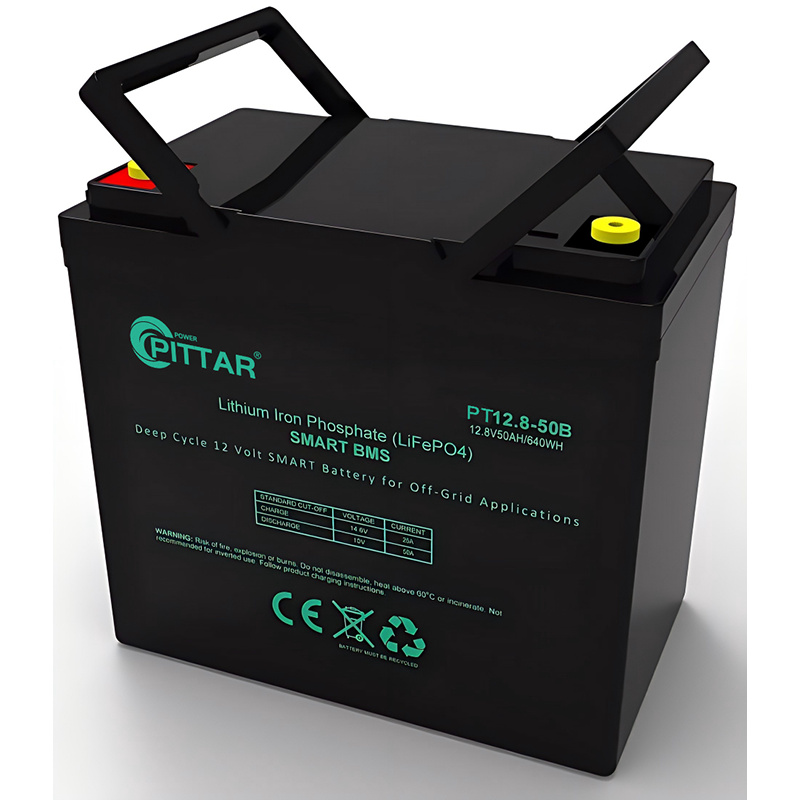
A LiFePO4 battery, also called a lithium iron phosphate or LFP battery, is a rechargeable lithium battery chemistry known for long cycle life, stable voltage, high usable capacity, and strong thermal stability. It is widely used in solar energy storage, home backup power, portable power stations, telecom backup, RV systems, marine power, and industrial applications.
Most LiFePO4 systems include a Battery Management System (BMS), which helps protect the battery from overcharge, over-discharge, excessive current, short circuit, and unsafe temperature conditions. For more background, see [What Is LiFePO4 Battery?], [Types of Lithium Batteries Explained], and [LiFePO4 vs NMC Battery].
_____________________________________________________________
What Is a Deep Cycle Battery?
A deep cycle battery is designed to discharge a significant portion of its capacity repeatedly and then recharge. Unlike starting batteries, which deliver short bursts of high current, deep cycle batteries are designed for sustained energy delivery.
In traditional usage, "deep cycle battery" often refers to lead-acid batteries, including:
Traditional Deep Cycle Type |
Description |
Common Uses |
Flooded Lead Acid |
Vented liquid electrolyte battery |
Golf carts, off-grid systems, industrial use |
AGM |
Absorbent Glass Mat sealed lead-acid battery |
RV, marine, UPS, backup power |
Gel |
Sealed gel electrolyte lead-acid battery |
Solar, marine, standby applications |
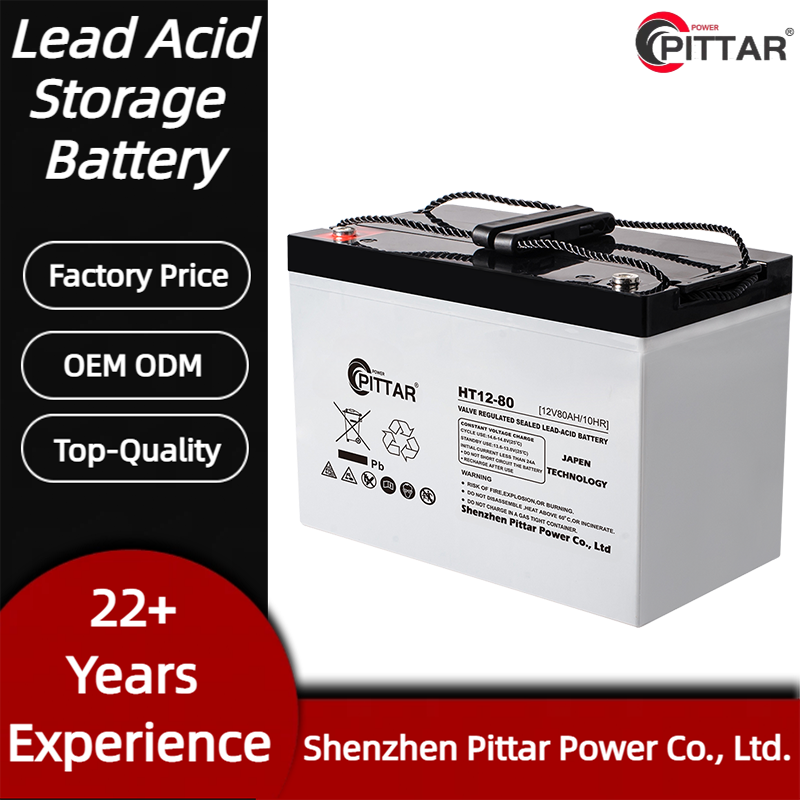
Lead-acid deep cycle batteries remain popular because they are familiar, widely available, and relatively low-cost upfront.
However, they are heavier, slower to charge, less efficient, and more sensitive to deep discharge than LiFePO4 in many applications.
_____________________________________________________________
Can a LiFePO4 Battery Be a Deep Cycle Battery?
Yes. A LiFePO4 battery can absolutely be a deep cycle battery. Many lithium deep cycle batteries are designed specifically for repeated charge and discharge in solar, RV, marine, portable power, and home energy storage systems.
This is why terminology matters. When users search Deep Cycle Battery vs LiFePO4, they usually mean traditional lead-acid deep cycle batteries compared with LiFePO4 lithium deep cycle batteries. Technically, LiFePO4 is not the opposite of deep cycle; it is one of the best modern chemistries for deep-cycle use.
_____________________________________________________________
Key Differences Between LiFePO4 and Traditional Deep Cycle Batteries
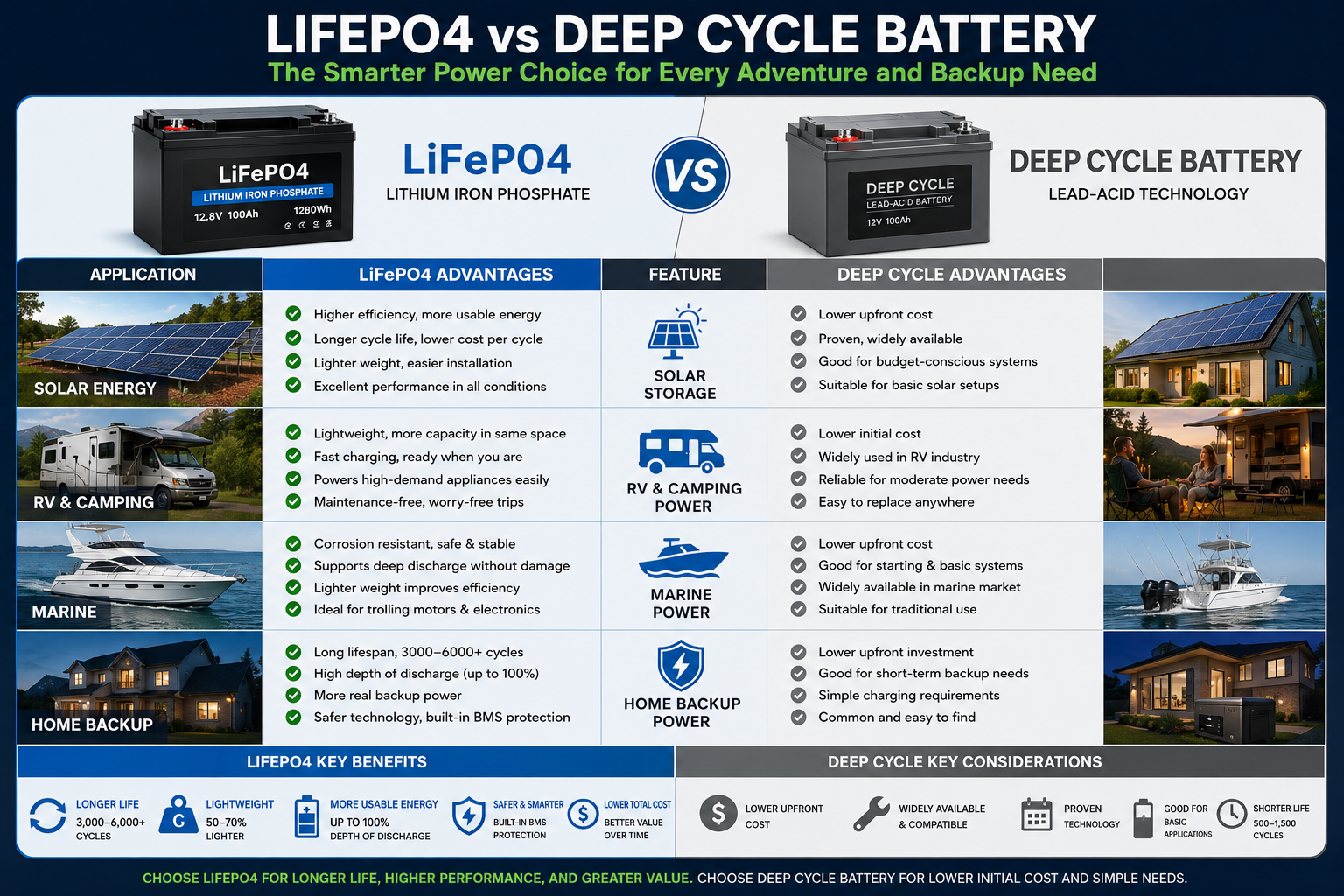
The biggest differences involve usable capacity, cycle life, charging speed, weight, efficiency, maintenance, and total cost of ownership.
Factor |
LiFePO4 Deep Cycle Battery |
Traditional Lead-Acid Deep Cycle Battery |
Chemistry |
Lithium iron phosphate |
Flooded, AGM, or Gel lead-acid |
Usable capacity |
Often supports deeper discharge |
Usually limited if long life is required |
Cycle life |
Longer in frequent cycling |
Shorter under deep cycling |
Weight |
Much lighter |
Heavier |
Charging speed |
Faster with compatible charger |
Slower, especially near full charge |
Efficiency |
Higher round-trip efficiency |
Lower efficiency |
Maintenance |
Low |
Varies; flooded needs more care |
Upfront cost |
Higher |
Lower |
Best fit |
High-cycle, mobile, solar, premium backup |
Budget standby or low-cycle use |
For broader context, see [Why Are Lithium Batteries So Popular?].
_____________________________________________________________
Cycle Life Comparison
Cycle life is one of the strongest reasons buyers choose LiFePO4. A cycle means one discharge and recharge. In daily cycling applications, more cycles usually mean fewer replacements and lower long-term cost.
Traditional lead-acid deep cycle batteries can work well, especially in moderate discharge and standby applications. However, frequent deep discharge shortens their life. Many lead-acid users design systems around shallower discharge to preserve battery life.
LiFePO4 batteries are better suited to frequent cycling. Exact cycle life depends on cell quality, operating temperature, depth of discharge, charge settings, and BMS design, but LiFePO4 usually provides a much longer service life in solar, RV, marine, and home backup cycling applications.
_____________________________________________________________
Depth of Discharge (DoD) Comparison
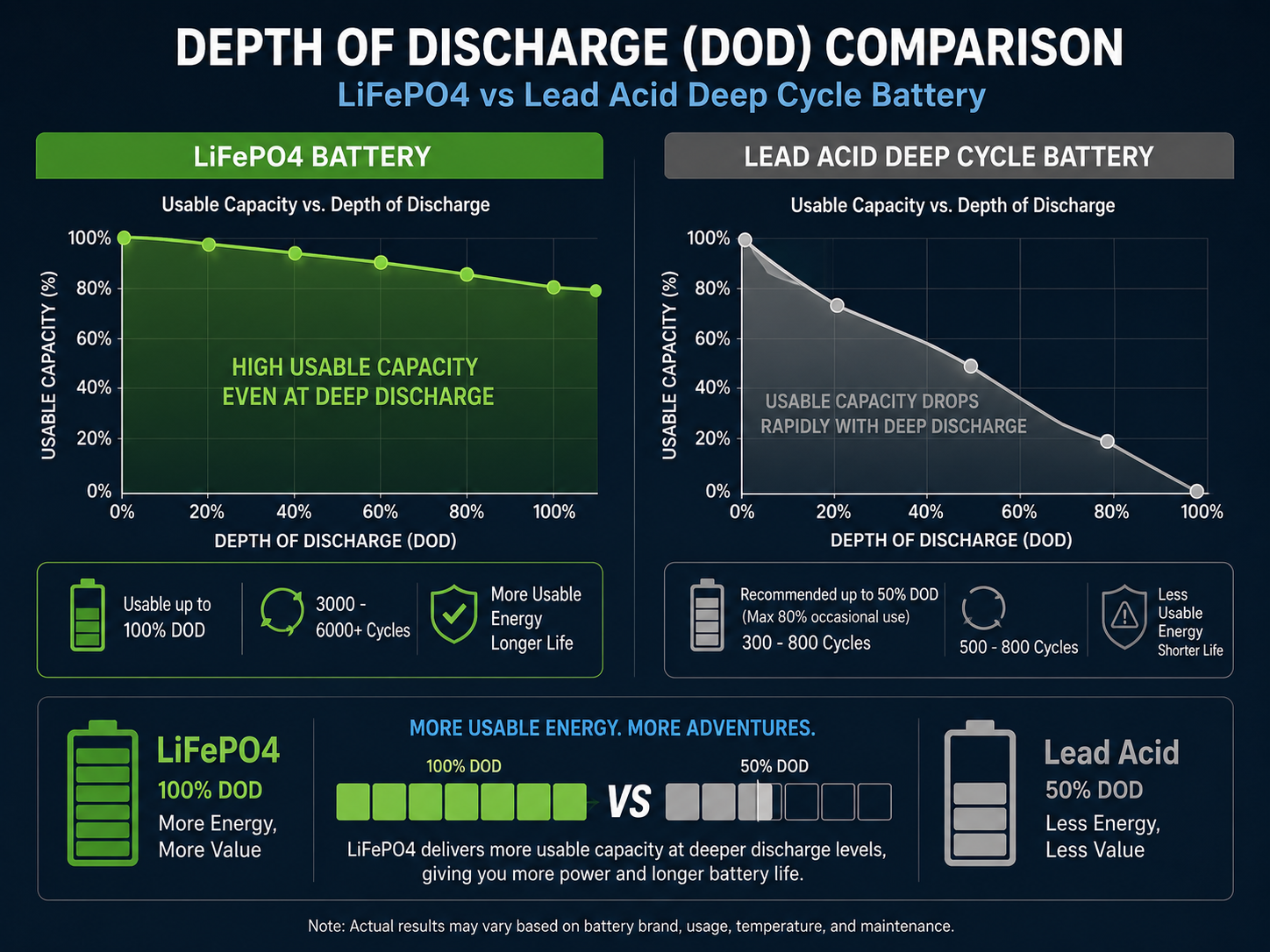
Depth of Discharge, or DoD, means how much of the battery capacity is used before recharging. A 100Ah battery discharged by 50Ah has a 50% DoD.
Lead-acid batteries are commonly operated at shallower discharge levels to protect cycle life. Flooded lead-acid batteries are often designed around about 50% usable capacity in many applications, while some AGM or Gel batteries may tolerate deeper discharge depending on manufacturer design.LiFePO4 batteries typically allow a higher usable depth of discharge, often 80%-100% depending on BMS settings and manufacturer guidance. This means a smaller nominal LiFePO4 bank may provide similar or greater usable energy than a larger nominal lead-acid bank.
Nominal Capacity |
Practical Usable Energy Trend |
100Ah lead-acid deep cycle |
Often sized for partial use to preserve life |
100Ah LiFePO4 deep cycle |
Often supports much higher usable capacity |
_____________________________________________________________
Charging Speed Comparison
LiFePO4 batteries usually charge faster than traditional lead-acid deep cycle batteries when paired with the right charger. Lead-acid batteries require bulk, absorption, and float stages. The absorption stage can slow charging as the battery nears full capacity.
LiFePO4 batteries generally accept higher charge current and maintain efficient charging behavior, which is valuable for solar windows, alternator charging, marine systems, RV travel days, and portable power stations. However, chargers must be compatible with LiFePO4 voltage and temperature requirements.
_____________________________________________________________
Weight Comparison
Weight is a major difference in any Deep Cycle Battery Comparison. Lead-acid batteries are heavy because they contain lead plates and liquid, absorbed, or gel electrolyte. LiFePO4 batteries provide more usable energy at a much lower weight.
Application |
Why Weight Matters |
Better Fit |
RV |
Less payload burden |
LiFePO4 |
Marine |
Easier handling and better weight balance |
LiFePO4 |
Portable power station |
Easier to carry |
LiFePO4 |
Stationary backup |
Weight less critical |
Depends |
Lowest upfront budget |
Purchase price priority |
Lead-acid |
For mobile applications, weight reduction can improve installation flexibility and user experience.
_____________________________________________________________
Energy Efficiency Comparison
LiFePO4 batteries typically have higher round-trip efficiency than lead-acid deep cycle batteries. More of the energy used to charge the battery becomes usable output energy later.
This matters most in solar energy systems. If solar production is limited by weather, roof area, or short winter days, higher battery efficiency helps improve usable energy. For RV and marine users, it also means faster practical recovery from solar panels, alternators, or shore power.
_____________________________________________________________
Maintenance Requirements
LiFePO4 batteries are low maintenance. Users mainly need correct charging settings, clean terminals, suitable temperature conditions, and occasional system checks.
Traditional lead-acid maintenance depends on battery type:
Battery Type |
Maintenance Level |
Notes |
Flooded Lead Acid |
Higher |
May require water checks and ventilation |
AGM |
Lower |
Sealed, but charging profile still matters |
Gel |
Lower |
Sensitive to improper charging voltage |
LiFePO4 |
Low |
Requires compatible charger/BMS protection |
For buyers comparing related lead-acid options, see [LiFePO4 vs Lead Acid Battery], [Lithium Battery vs AGM Battery], and [Lithium Battery vs Gel Battery].
_____________________________________________________________
Safety Comparison
Both LiFePO4 and lead-acid batteries can be safe when properly designed, installed, charged, and maintained. The risks are different.
Lead-acid batteries may involve acid leakage, hydrogen gas during charging, corrosion, heavy handling risk, and ventilation requirements, especially for flooded types. AGM and Gel batteries reduce some maintenance and spill risks, but they still require correct charging.
LiFePO4 batteries avoid liquid acid and are known for strong thermal stability compared with some other lithium chemistries. However, they still require a reliable BMS, proper charger, correct cable sizing, short-circuit protection, and temperature management. For deeper safety education, see [Are Lithium Batteries Safe?].
_____________________________________________________________
Temperature Performance Comparison
Temperature affects every battery. Lead-acid batteries can tolerate cold conditions reasonably well, but capacity drops in low temperatures. Heat can accelerate aging and water loss in flooded designs.
LiFePO4 batteries also lose capacity in cold weather and usually should not be charged below freezing unless the battery includes low-temperature charging protection or heating. In hot climates, LiFePO4 can perform well when installed with proper thermal design, but excessive heat still reduces battery life.
For solar distributors and off-grid installers, temperature protection is not optional. Battery selection should consider local climate, enclosure design, ventilation, and charge controller settings.
_____________________________________________________________
Cost Comparison
Lead-acid deep cycle batteries usually win on upfront purchase price. LiFePO4 batteries usually cost more initially but can deliver lower lifecycle cost where batteries cycle frequently.
Cost Factor |
LiFePO4 |
Traditional Deep Cycle Lead-Acid |
Upfront price |
Higher |
Lower |
Usable capacity per rated Ah |
Higher |
Lower in many long-life designs |
Replacement frequency |
Lower |
Higher in frequent cycling |
Maintenance cost |
Lower |
Higher, especially flooded |
Shipping/handling |
Lower weight advantage |
Heavier logistics |
Best value |
Frequent cycling |
Low-budget or standby use |
For occasional use, lead-acid may be cost-effective. For daily solar storage, RV travel, marine house banks, and home backup, LiFePO4 often provides stronger long-term value.
_____________________________________________________________
Total Cost of Ownership Analysis
Total cost of ownership includes purchase price, usable energy, cycle life, maintenance labor, downtime, replacement frequency, charging efficiency, and logistics.
Example: A lead-acid battery bank may appear cheaper at purchase, but if it offers less usable capacity and needs replacement sooner, the lifetime cost per usable kWh can be higher. A LiFePO4 system may cost more upfront but reduce replacement cycles, maintenance work, and weight-related installation challenges.
For B2B buyers, the decision should be based on cost per cycle and cost per usable kWh, not only price per battery.
[Soft CTA 1] Comparing lifecycle value for your project? Explore LiFePO4 battery products designed for solar storage, RV systems, marine power, home backup, and commercial energy storage applications.
_____________________________________________________________
LiFePO4 vs Deep Cycle Battery for Solar Energy Storage
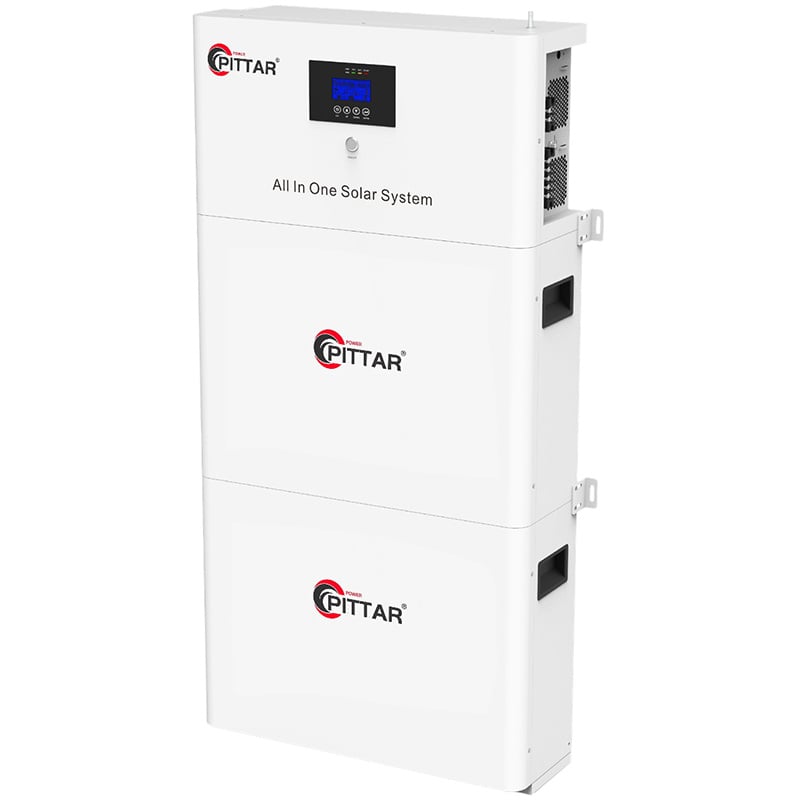
For solar energy storage, LiFePO4 is usually the stronger option because it offers deeper usable capacity, higher efficiency, faster charging, and longer cycle life. These advantages matter because solar batteries may cycle daily.
Traditional lead-acid deep cycle batteries are still used in budget off-grid systems, but they require careful sizing, DoD management, ventilation, and charging control.
For solar buyers, the best battery for solar storage should be evaluated by usable kWh, cycle life, inverter compatibility, temperature protection, warranty terms, and total cost. See [Internal Link Opportunity] Best Lithium Battery for Solar Storage.
[Soft CTA 2] Building solar storage systems? Explore solar energy storage batteries and home energy storage battery systems for residential, commercial, and off-grid projects.
_____________________________________________________________
LiFePO4 vs Deep Cycle Battery for RV Applications
For RV applications, LiFePO4 offers major advantages: lighter weight, higher usable capacity, faster charging, and low maintenance. RV users often charge from solar panels, alternators, shore power, or portable power stations, so charging efficiency matters.
Lead-acid deep cycle batteries can still work for budget RV setups, but they are heavier and provide less usable capacity if battery life is protected. For frequent travelers, LiFePO4 is often the more practical upgrade.
_____________________________________________________________
LiFePO4 vs Deep Cycle Battery for Marine Applications
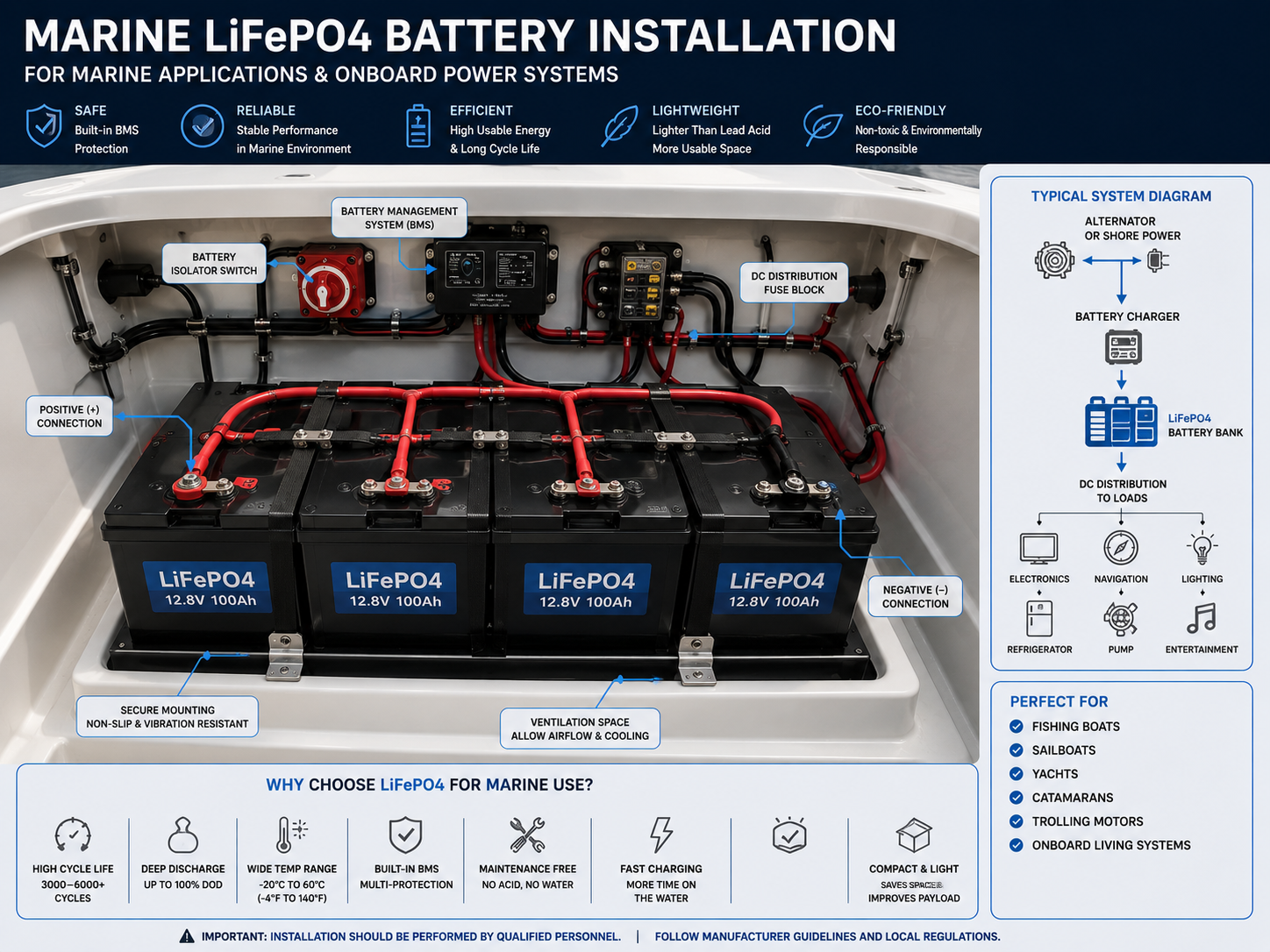
Marine batteries must handle vibration, limited space, moisture exposure, and strict safety expectations. LiFePO4 can reduce weight and increase usable house-bank capacity for lights, navigation electronics, refrigeration, communication equipment, and trolling motors.
Lead-acid AGM and Gel batteries remain common in marine applications because they are familiar and widely supported. However, marine LiFePO4 upgrades require proper system design, including charger compatibility, BMS protection, fusing, cable sizing, and compliance with relevant marine electrical standards.
_____________________________________________________________
LiFePO4 vs Deep Cycle Battery for Home Backup Systems
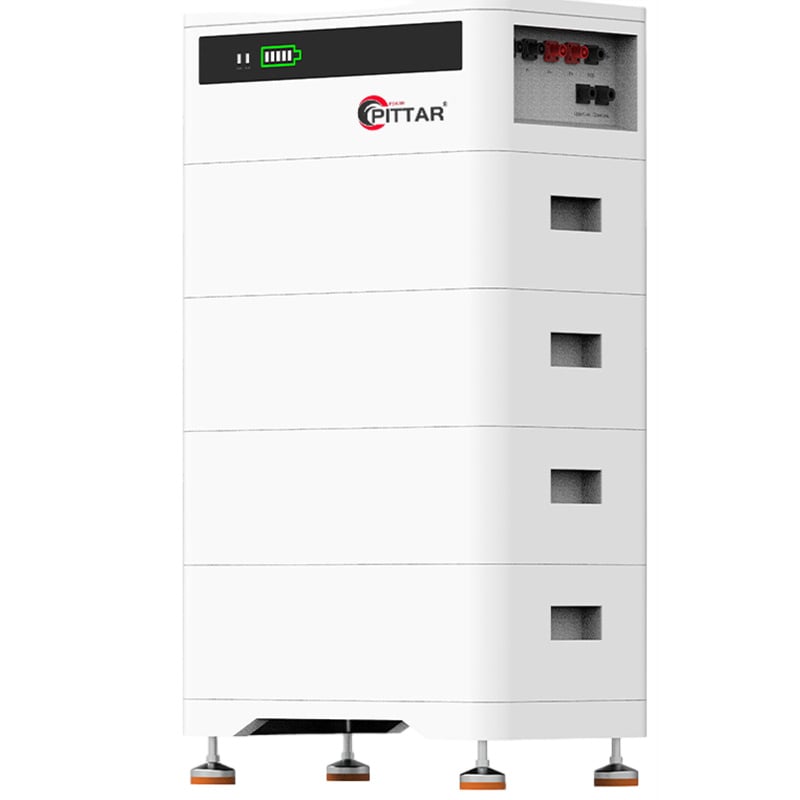
For home backup systems, LiFePO4 provides quiet, low-maintenance energy storage for refrigerators, lights, Wi-Fi, security systems, medical devices, and selected essential circuits. It is especially useful when paired with solar panels.
Traditional lead-acid batteries can support backup systems, but they require more space, more weight capacity, and more careful discharge management. For modern residential ESS, LiFePO4 is usually preferred because of scalability, long cycle life,and integration with hybrid inverters.
For planning residential storage, see [Home Energy Storage Battery Guide] and [Portable Power Station].
_____________________________________________________________
Is It Worth Upgrading to LiFePO4?
Upgrading to LiFePO4 is usually worth it when the battery cycles frequently, weight matters, maintenance is costly, charging time is limited, or usable capacity is more important than lowest upfront price.
LiFePO4 is especially worth considering for:
Solar energy storage systems.
RV house batteries.
Marine house banks.
Portable power station products.
Home backup batteries.
Telecom and remote monitoring sites.
Commercial energy storage projects.
Lead-acid may still be reasonable for low-budget, low-cycle, standby, or replacement scenarios where existing chargers and infrastructure are built around AGM, Gel, or flooded batteries.
[Soft CTA 3] Ready to upgrade from traditional deep cycle batteries? Compare LiFePO4 battery products, home energy storage battery systems, solar energy storage batteries, and portable power station solutions for your application.
_____________________________________________________________
Frequently Asked Questions
Is LiFePO4 better than a deep cycle battery?
LiFePO4 is often better than traditional lead-acid deep cycle batteries for frequent cycling, usable capacity, charging speed, weight, efficiency, and maintenance. However, lead-acid can still be suitable for low-cost or standby use.
Is a LiFePO4 battery a deep cycle battery?
Yes. Many LiFePO4 batteries are designed as deep cycle batteries. In this article, "deep cycle battery" mainly refers to traditional lead-acid deep cycle batteries for comparison clarity.
What is the best deep cycle battery for solar storage?
For many solar storage systems, LiFePO4 is the best deep cycle battery because it supports high usable capacity, long cycle life, and efficient charging. Budget systems may still use AGM, Gel, or flooded lead-acid batteries.
Can I replace AGM or Gel batteries with LiFePO4?
Often yes, but you must check charger voltage, inverter settings, BMS requirements, cable sizing, low-temperature charging protection, and system compatibility before replacement.
Is LiFePO4 good for RV and marine applications?
Yes. LiFePO4 is well suited for RV and marine applications because it is lighter, more efficient, and provides more usable capacity than many traditional lead-acid deep cycle batteries.
_____________________________________________________________
Conclusion
The LiFePO4 vs Deep Cycle Battery comparison is best understood as LiFePO4 lithium deep cycle batteries versus traditional lead-acid deep cycle batteries such as AGM, Gel, and Flooded Lead Acid. LiFePO4 is usually the stronger choice for solar energy storage, RV systems, marine house banks, home backup, portable power stations, and high-cycle commercial applications.
Traditional lead-acid deep cycle batteries still have a place where upfront cost is the top priority, cycling is limited, and existing infrastructure is built around lead-acid charging. But when lifecycle value, weight, usable capacity, efficiency, and low maintenance matter, LiFePO4 is often the better long-term energy storage solution.
For readers building a lithium battery topic cluster, this page should internally support the pillar guide What Is a Lithium Battery? Complete Guide and connect to related comparison and application articles.
 Hot News
2026-08-20
2026-08-16
2026-08-12
2026-08-03
2026-07-30
2026-07-26

Pittar Power is a professional manufacturer specializing inenergy storage solutions.
Room 302, Building 1, No. 10, Huangjin First Road, Nancheng District, Dongguan City, Guangdong Province, China
Copyright © Shenzhen Pittar Power Co., Ltd. All Rights Reserved Privacy Policy
 EN
EN