All Categories

Company News

Company News

Home /  News & Blog /  Company News

Lithium Battery vs Traditional Generator

Jun 09, 2026
Introduction
When comparing Lithium Battery vs Traditional Generator, the best choice depends on your load size, runtime target, installation environment, noise limits, charging access, and budget. A traditional fuel generator produces electricity by burning gasoline, diesel, propane, or natural gas. A lithium battery backup system stores electricity and releases it through an inverter when needed.
For B2B buyers, homeowners, solar installers, RV users, and emergency planners, this is not a simple "new vs old" decision. Generators remain useful for long-duration, high-power backup. Lithium batteries are stronger for quiet operation, solar storage, indoor-friendly essential power, and low maintenance.
If you are new to battery fundamentals, start with [What Is a Lithium Battery?] before comparing backup power systems.
_________________________________________________________________
What Is a Lithium Battery Backup System?
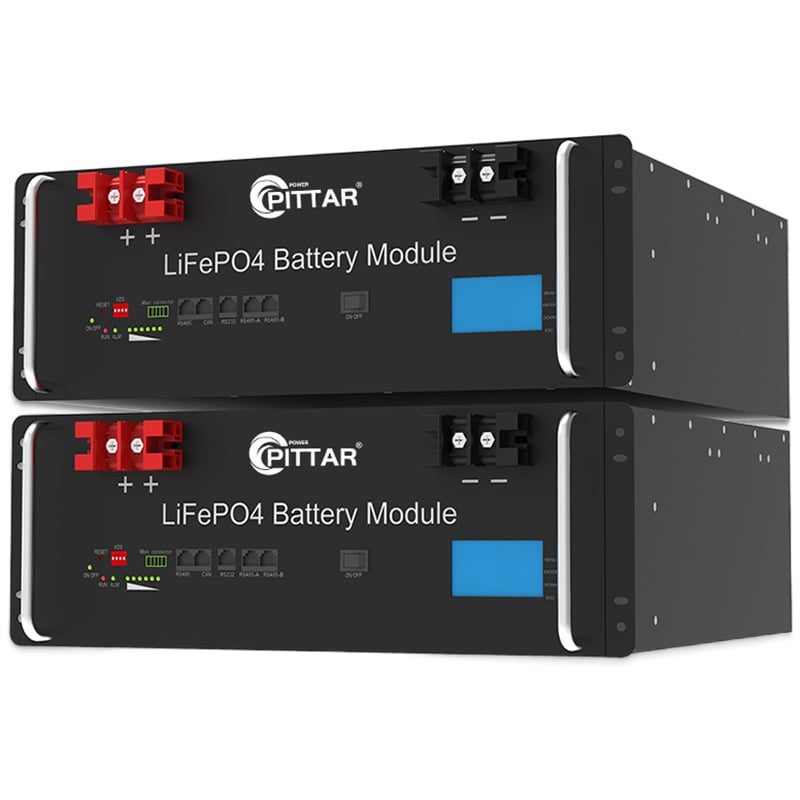
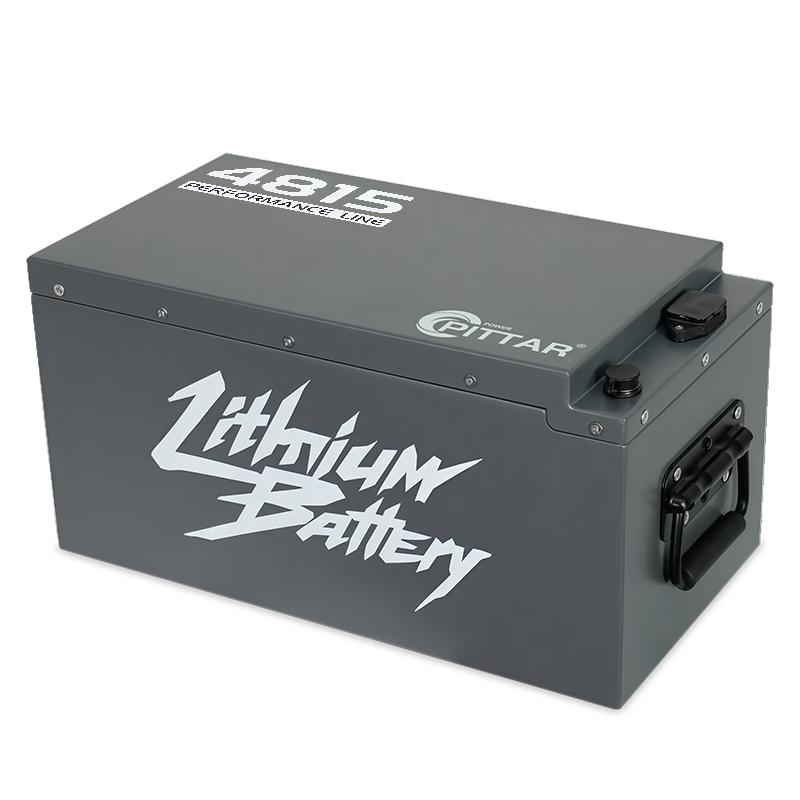
A lithium battery backup system stores electrical energy in rechargeable lithium cells and supplies AC or DC power through an inverter or power management system. It may be a portable power station, wall-mounted home battery, rack-mounted telecom battery, high-voltage ESS, or solar battery bank.
Most systems include battery modules, a Battery Management System (BMS), inverter, charger or solar controller, monitoring, and protection devices. LiFePO4 batteries are especially popular for backup power because they offer long cycle life, stable voltage, and strong thermal stability. Learn more through [What Is LiFePO4 Battery?].
Lithium System Type
Typical Use
Main Advantage
Portable power station
RV, camping, emergency kits
Plug-and-play power
Wall-mounted battery
Residential backup
Quiet home energy storage
Rack lithium battery
Telecom, UPS, industrial backup
Scalable capacity
Solar battery bank
Off-grid and hybrid solar
Stores solar energy
_________________________________________________________________
What Is a Traditional Generator?
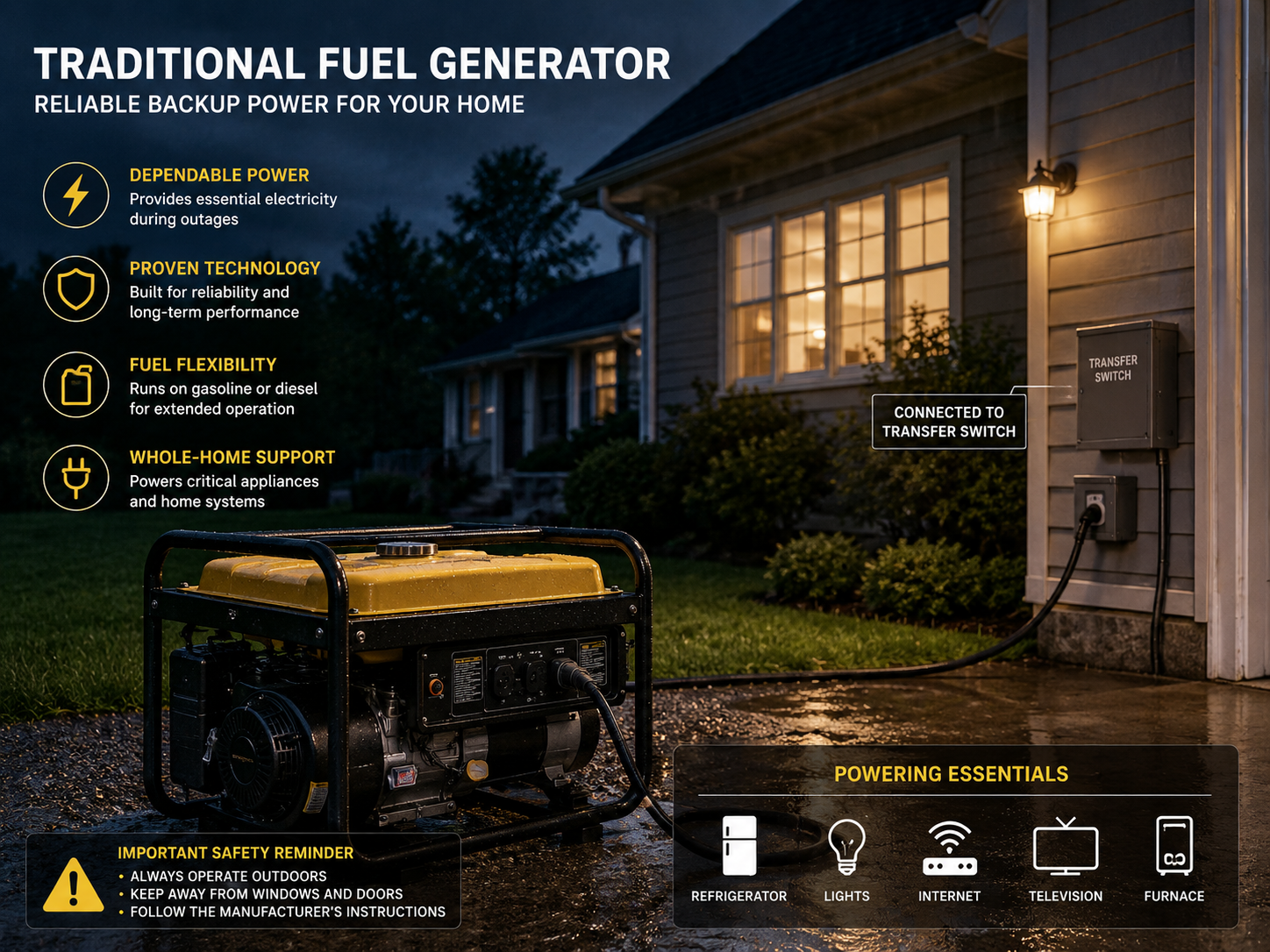
A traditional generator uses an internal combustion engine to drive an alternator and produce electricity. Common fuel types include gasoline, diesel, propane, and natural gas.
Generators are widely used because they can keep producing power as long as fuel is available. They are common for homes, construction sites, farms, telecom sites, RVs, and emergency response. However, they require ventilation, fuel planning, engine maintenance, and safe outdoor operation.
According to the CDC, portable backup generators produce carbon monoxide, an odorless and colorless gas that can kill without warning. This makes indoor or enclosed-space generator use unsafe.
Generator Type
Best Use
Limitation
Gasoline portable generator
Short emergency backup
Fuel storage and noise
Diesel generator
Industrial or remote sites
Maintenance and emissions
Propane generator
Home/RV standby
Fuel tank dependency
Natural gas standby generator
Whole-home backup
Fixed installation
Inverter generator
Camping and electronics
Lower output than large units
传统发电储能系统.png
_________________________________________________________________
Key Differences Between Lithium Batteries and Generators
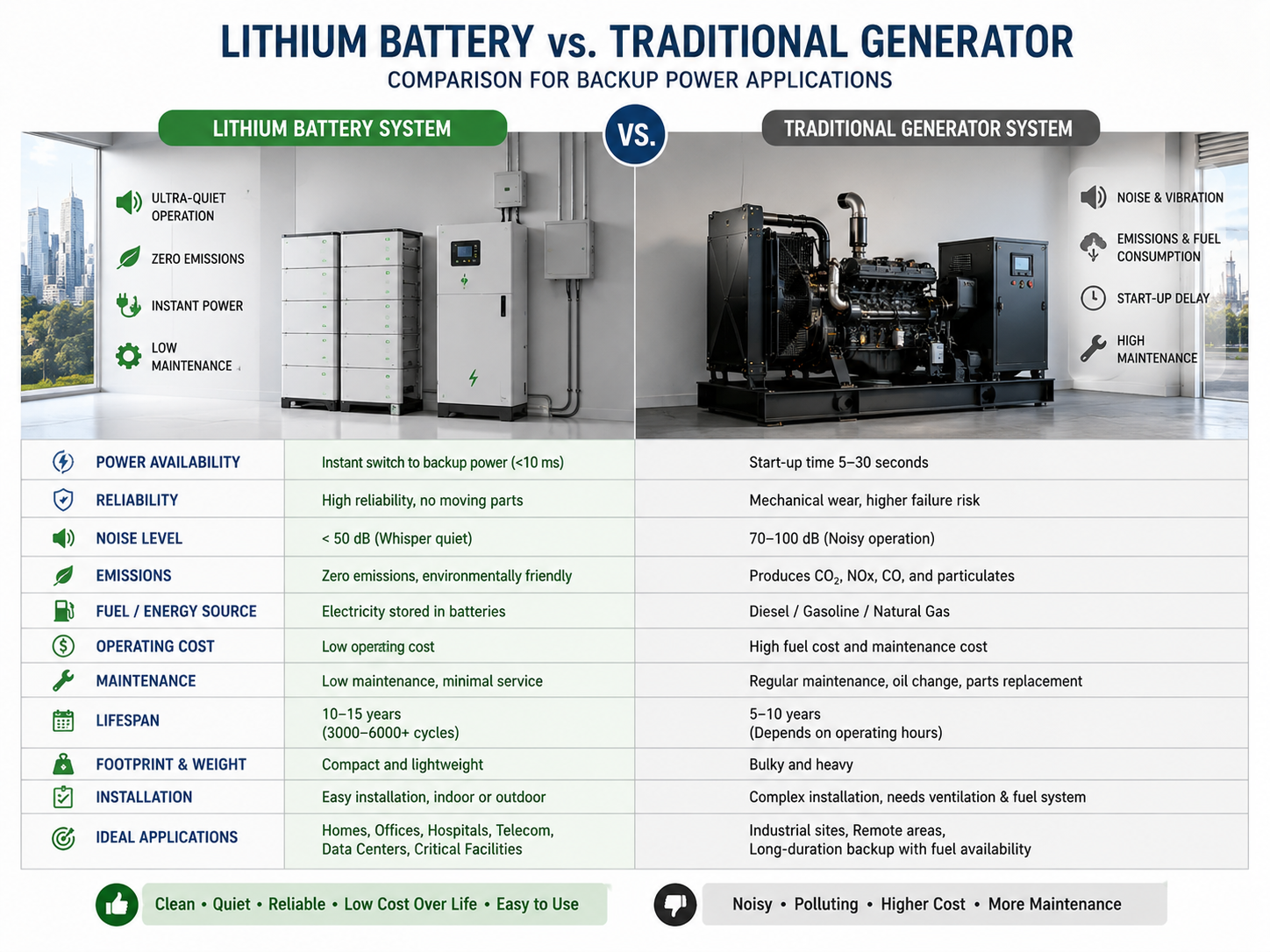
The main Lithium Battery vs Generator difference is energy source. A lithium battery stores electricity; a generator converts fuel into electricity. This affects runtime, safety, cost, noise, maintenance, and emissions.
Factor
Lithium Battery Backup
Traditional Generator
Energy source
Stored electricity
Fuel combustion
Noise
Very low
Engine noise
Direct emissions
None during use
Exhaust and CO risk
Maintenance
Low
Regular engine service
Solar compatibility
Excellent
Indirect or hybrid only
Runtime
Limited by capacity
Limited by fuel supply
Best fit
Quiet, clean, essential backup
Long high-load backup
For chemistry selection, see [Types of Lithium Batteries Explained] and [LiFePO4 vs NMC Battery].
锂电池与传统发电机在备用电源应用中的对比.png
_________________________________________________________________
Power Output Comparison
Generators often provide strong surge power and are practical for motors, pumps, power tools, and whole-home loads.
Lithium systems can also deliver high output, but they must be sized correctly according to inverter rating, battery discharge capability, and surge demand.
Load
Lithium Battery
Generator
Lights, router, phone
Excellent
Works but inefficient
Refrigerator
Excellent if sized
Excellent
CPAP/medical device
Excellent
Possible but noisy
Microwave/kettle
Needs high inverter
Good
Air conditioner
Requires large ESS
Often stronger
Power tools
Moderate to good
Strong
For critical backup, calculate continuous watts and starting surge watts before choosing either system.
_________________________________________________________________
Runtime Comparison
Battery runtime depends on usable capacity and load. A simple estimate is:
Runtime = usable battery capacity (Wh) / average load (W)
Usable Battery
Average Load
Estimated Runtime
1,000Wh
100W
About 10 hours
2,000Wh
500W
About 4 hours
5,000Wh
500W
About 10 hours
10,000Wh
1,000W
About 10 hours
Actual runtime is lower after inverter losses, reserve settings, and temperature effects. Generator runtime depends on fuel tank size, fuel consumption, and refueling access. If fuel is available, generators can support longer outages.
_________________________________________________________________
Charging and Refueling Comparison
Lithium batteries must be recharged from the grid, solar panels, vehicle alternator, wind power, or another generator.
Generators must be refueled or connected to a gas supply.
Factor
Lithium Battery
Generator
Replenishment
Recharge
Refuel
Speed
Depends on charger
Fast if fuel is ready
Solar use
Directly compatible
Usually backup only
Emergency risk
No charging source
No fuel supply
Storage issue
Battery storage management
Fuel degradation/safety
For off-grid systems, a hybrid design often works best: solar charges lithium batteries daily, while a generator covers extended cloudy periods.
_________________________________________________________________
Noise Level Comparison
Noise is a major advantage for lithium batteries. A battery system is nearly silent except for cooling fans. A generator produces engine noise, vibration, and exhaust sound. Some inverter generators are quieter; for example, Honda lists its EU2200i at 48-57 dBA under specified conditions, but larger open-frame units are usually louder.
For RV parks, campsites, apartments, nighttime outages, and medical backup, a battery or portable power station is usually more practical.
[Soft CTA 1] Need quiet backup power? Explore LiFePO4 battery products and portable power station solutions for low-noise residential, RV, and emergency applications.
_________________________________________________________________
Maintenance Requirements
Lithium systems have no oil, spark plugs, carburetor, fuel filter, or exhaust system. Routine care usually means checking cables, ventilation, BMS alerts, firmware, and storage charge level.
Generators require engine maintenance: oil changes, filters, spark plugs, fuel system care, battery starter checks, load testing, and periodic operation.
Maintenance Item
Lithium Battery
Generator
Oil change
No
Yes
Fuel storage
No
Yes
Spark plug/filter
No
Often yes
Routine service labor
Low
Higher
Remote monitoring
Common in ESS
Available on some units
To compare lithium with older battery backup options, see [Lithium Battery vs AGM Battery] and [LiFePO4 vs Lead Acid Battery].
_________________________________________________________________
Environmental Impact Comparison
Lithium batteries produce no direct exhaust during operation and pair well with solar. Generators burn fuel and produce emissions, including carbon monoxide risk if misused. However, lithium batteries still have manufacturing, mining, and
recycling impacts, so responsible sourcing and end-of-life handling matter.
Factor
Lithium Battery
Generator
Direct exhaust
None
Yes
Noise pollution
Low
Moderate to high
Renewable integration
Strong
Limited
Fuel transport
Not required
Required for portable fuel
End-of-life concern
Battery recycling
Oil, filters, engine parts
For broader market context, see [Why Are Lithium Batteries So Popular?].
_________________________________________________________________
Safety Comparison
Generators must be operated outdoors with proper distance from doors, windows, and vents because of carbon monoxide and exhaust heat. Other risks include fuel fire, wet-weather operation, overloading, and electrical backfeed.
Lithium batteries avoid combustion exhaust but still require quality cells, reliable BMS protection, correct cables, certified chargers, thermal management, and proper installation. LiFePO4 is commonly selected for energy storage because of its stable chemistry, but every system must follow manufacturer specifications and local electrical codes.
For a deeper safety discussion, see [Are Lithium Batteries Safe?].
_________________________________________________________________
Cost Comparison
Portable generators often have lower upfront cost. Lithium battery systems usually cost more at purchase, especially with inverters, solar integration, and installation. The long-term picture can be different because generators require fuel and maintenance, while solar-charged batteries can reduce operating cost.
Cost Category
Lithium Battery
Generator
Upfront cost
Often higher
Often lower
Fuel cost
None if solar-charged
Ongoing
Maintenance cost
Low
Higher
Installation
Moderate to high for ESS
Low portable, high standby
Best value when
Frequent use/solar storage
Rare use/high-load backup
_________________________________________________________________
Total Cost of Ownership Analysis
Total cost of ownership includes equipment, installation, energy cost, fuel, maintenance, downtime, service visits, and replacement cycles.
A generator may be economical for rare short outages. A lithium battery may provide better value for frequent outages, solar self-consumption, telecom backup, RV use, and sites where fuel logistics are expensive. In commercial applications, reducing maintenance trips and generator runtime can be a major financial advantage.
Use Pattern
Likely Better TCO
Reason
Rare short outage
Generator or small power station
Low usage
Frequent outages
Lithium battery
Lower service burden
Solar self-consumption
Lithium battery
Stores PV energy
Heavy continuous loads
Generator
Fuel extends runtime
Remote fuel logistics
Lithium + solar
Fewer site visits
[Soft CTA 2] Planning a backup system? Explore home energy storage battery systems and solar battery storage systems for essential-load backup, solar charging, and long-term resilience.
_________________________________________________________________
Lithium Battery vs Generator for Home Backup Power
For homes, the Home Backup Battery vs Generator decision depends on critical loads and outage duration. A lithium battery is ideal for refrigerators, lights, Wi-Fi, medical devices, security systems, and selected outlets. A generator is stronger for whole-home HVAC, well pumps, electric heating, and multi-day high-load outages.
Home Need
Lithium Battery
Generator
Quiet nighttime backup
Excellent
Weak
Essential indoor loads
Excellent
Unsafe indoors
Whole-home high load
Possible but costly
Strong
Solar charging
Excellent
Not primary role
Long outage without sun
Capacity-limited
Fuel-dependent but strong
For residential planning, see [Home Energy Storage Battery Guide].
_________________________________________________________________
Lithium Battery vs Generator for Solar Energy Storage
In a Solar Battery vs Generator comparison, lithium batteries are the better match for PV systems because they store daytime solar power for nighttime use and outages. The U.S. Department of Energy notes that solar-plus-storage lets solar owners use stored energy at night or during power interruptions.
Generators can support solar systems but do not store solar energy. They are best as secondary backup when batteries are low or sunlight is limited.
For system selection, see [Best Lithium Battery for Solar Storage].
_________________________________________________________________
Lithium Battery vs Generator for RV and Camping
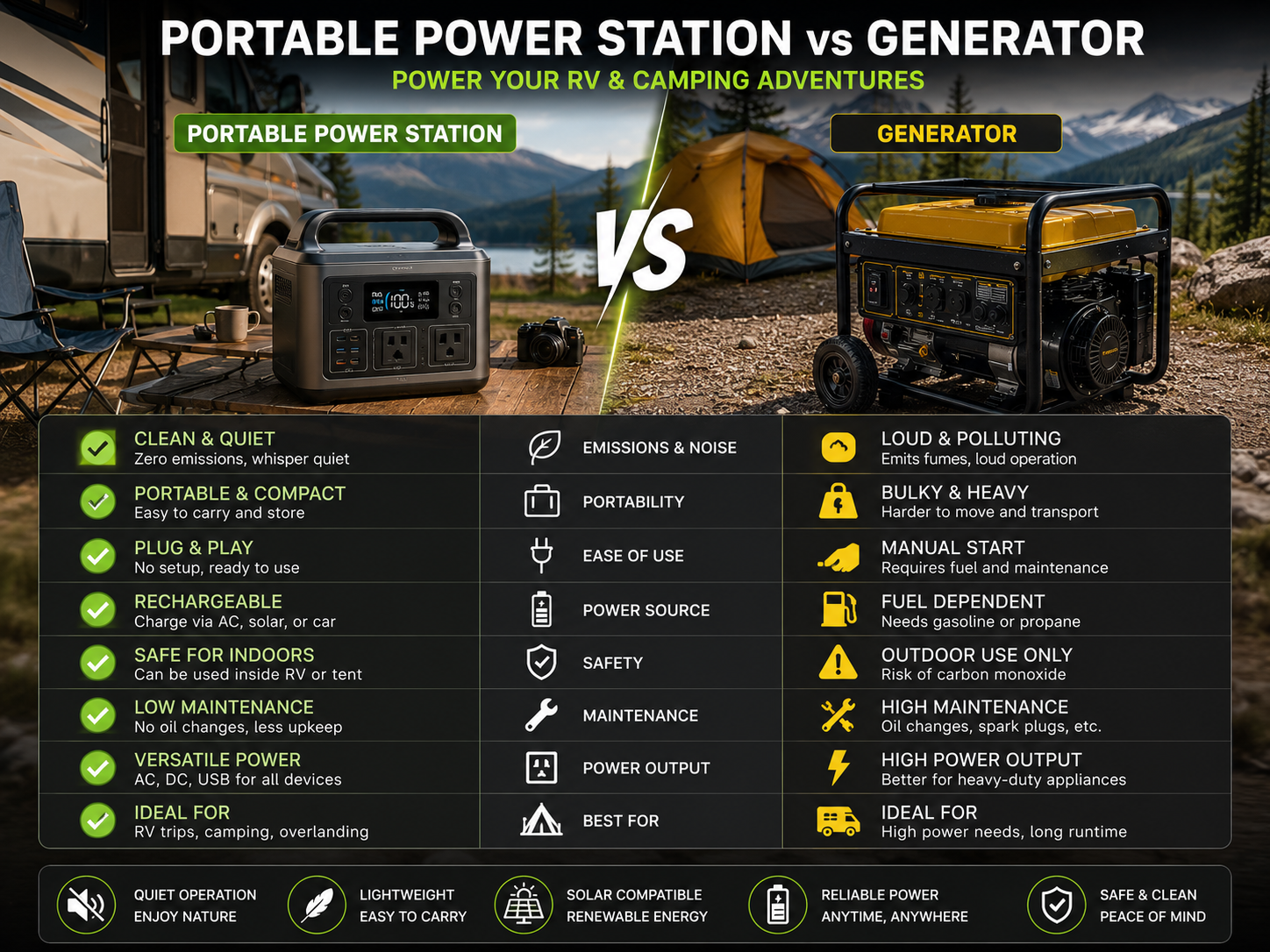
For RV and camping users, the Portable Power Station vs Generator choice often comes down to noise, convenience, and air-conditioning needs. A portable lithium power station is excellent for phones, lights, laptops, portable fridges, CPAP devices, routers, cameras, and solar charging. A generator is better for long air-conditioner runtime and high-wattage loads.
Camping Need
Portable Power Station
Generator
Quiet hours
Excellent
Often restricted
Tent/vehicle use
Suitable if rated
Not safe indoors
Solar recharge
Excellent
No
RV air conditioner
Limited unless large
Stronger
Explore [Portable Power Station] options for outdoor and emergency power.
锂电池和发电机用于露营对比.png
_________________________________________________________________
Lithium Battery vs Generator for Emergency Preparedness
Emergency power should prioritize safety, reliability, and realistic load selection. Lithium batteries are excellent for phones, radios, LED lights, routers, medical devices, and small refrigeration. Generators are useful for multi-day outages, rural properties, well pumps, heating/cooling support, and larger freezer loads.
Emergency Scenario
Better Fit
Apartment outage
Lithium battery
Medical device backup
Lithium battery
Solar-equipped home
Lithium battery
Rural multi-day blackout
Generator or hybrid
Unknown outage duration
Hybrid system
_________________________________________________________________
When Should You Choose a Lithium Battery?
Choose a lithium battery when you need quiet, clean, low-maintenance backup power; when solar charging is important; when indoor-friendly essential power is required; or when frequent cycling makes fuel and maintenance unattractive.
Lithium is especially suitable for homes, RVs, portable power, telecom backup, solar storage, off-grid cabins, medical equipment, and critical electronics.
[Soft CTA 3] Ready to compare lithium options? Explore LiFePO4 battery products, home energy storage battery systems, portable power station solutions, and solar battery storage systems for your backup power application.
_________________________________________________________________
When Is a Traditional Generator Still the Better Choice?
A traditional generator is still better when you need high power for a long and uncertain duration, especially with reliable fuel access. It is practical for whole-home standby systems, construction sites, farms, rural homes, heavy tools, large pumps, and emergency response operations.
In many B2B and off-grid systems, the smartest solution is not replacing the generator completely. It is using lithium batteries to reduce generator runtime, fuel use, noise, and maintenance.
_________________________________________________________________
Frequently Asked Questions
Is a lithium battery better than a generator?
A lithium battery is better for quiet operation, low maintenance, solar storage, and essential indoor-friendly backup. A generator is better for long-duration high-load power when fuel is available.
Can a lithium battery replace a generator?
Yes, for many home, RV, camping, telecom, solar, and emergency applications. For very long outages or heavy loads, a generator may still be useful as backup.
What is the difference between a portable power station and a generator?
A portable power station stores electricity in a battery. A generator creates electricity by burning fuel. Power stations are quieter and cleaner; generators can run longer with refueling.
Which is better for home backup: battery or generator?
A battery is better for essential loads and solar integration. A generator is better for whole-home high-power backup and long outages.
Can a solar battery replace a generator?
A solar battery can replace a generator for many short or medium outages, especially when solar panels recharge it during the day. Extended cloudy periods may still require generator backup.
_________________________________________________________________
Conclusion
The Lithium Battery vs Traditional Generator decision should be based on load profile, runtime, safety, noise tolerance, maintenance expectations, and charging or fuel access. Lithium batteries are best for quiet, clean, low-maintenance backup power, solar energy storage, RV use, essential home backup, telecom systems, and emergency kits. Traditional generators remain valuable for long-duration, high-load power where fuel is available.
For many users, the best backup power solution is hybrid: lithium batteries for daily and essential loads, solar panels for renewable charging, and a generator for extended backup when required.