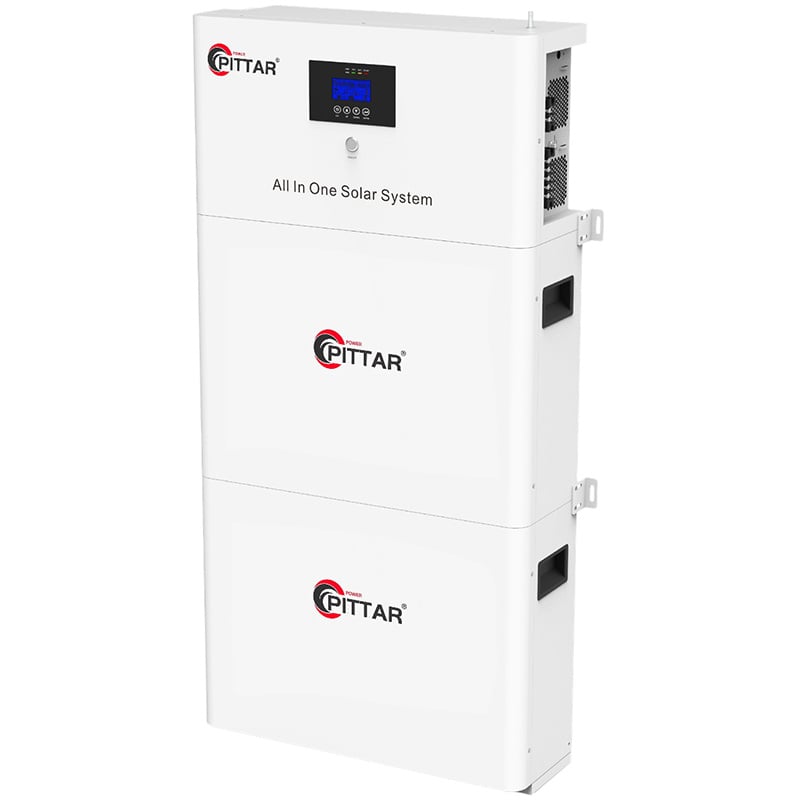
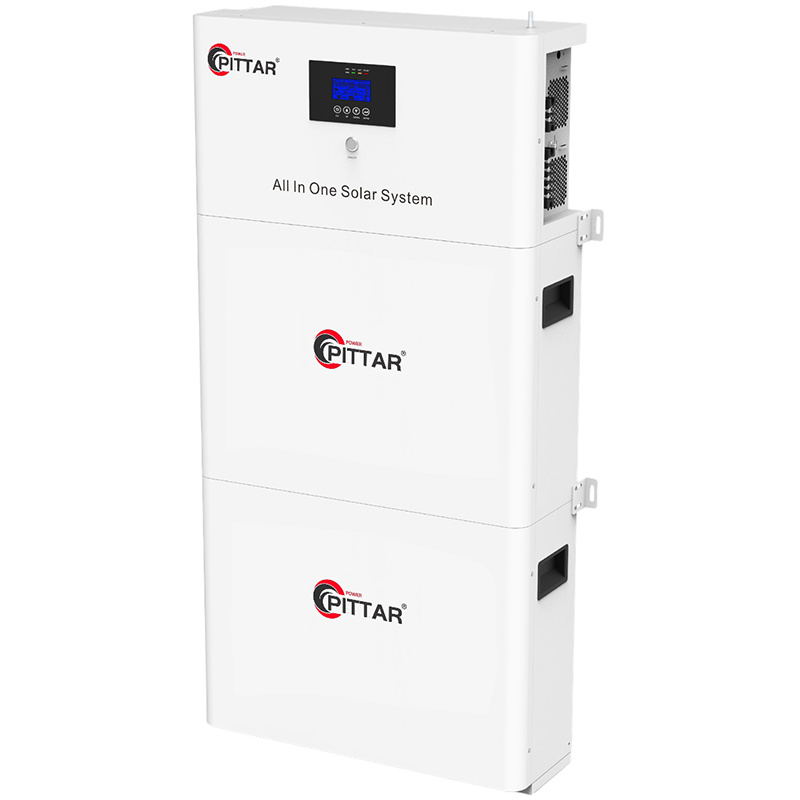
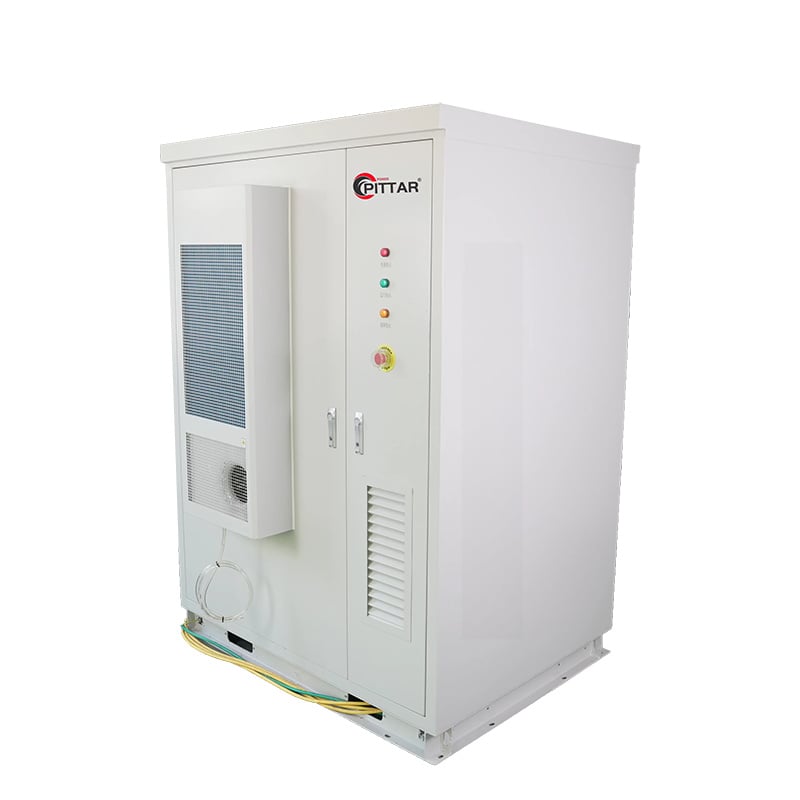
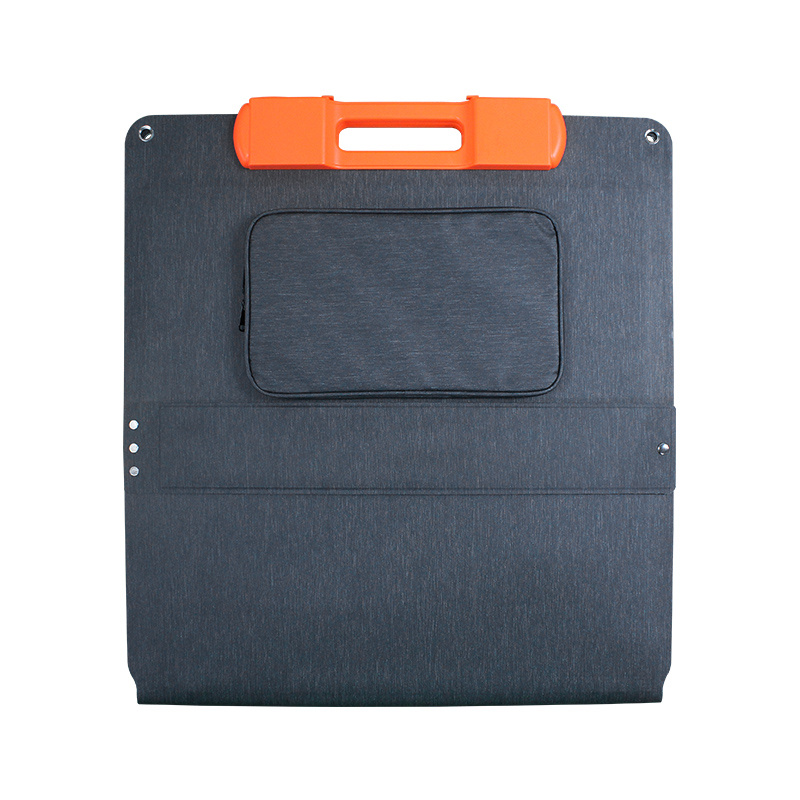
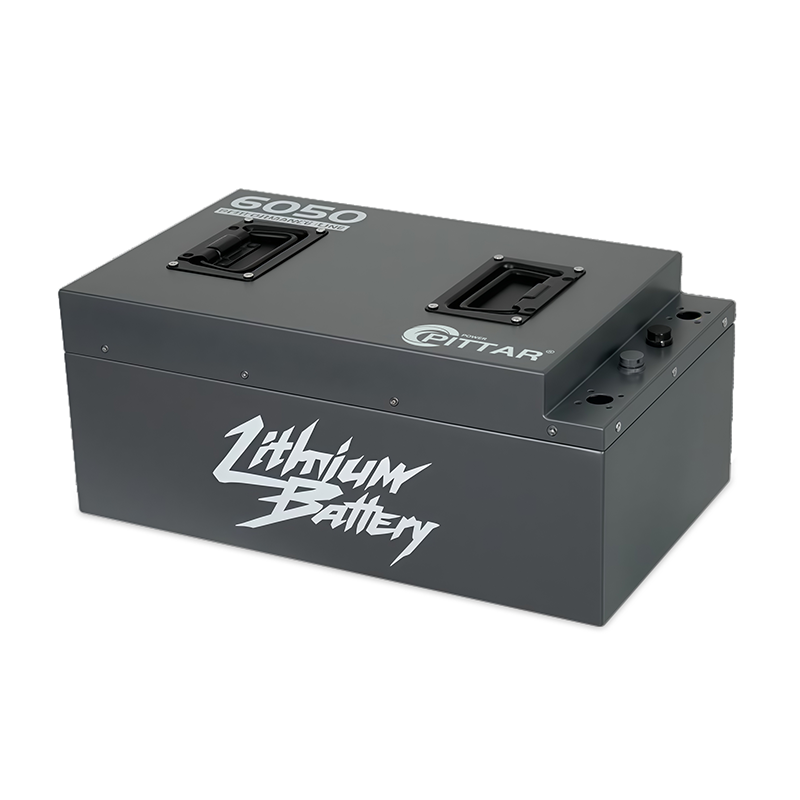
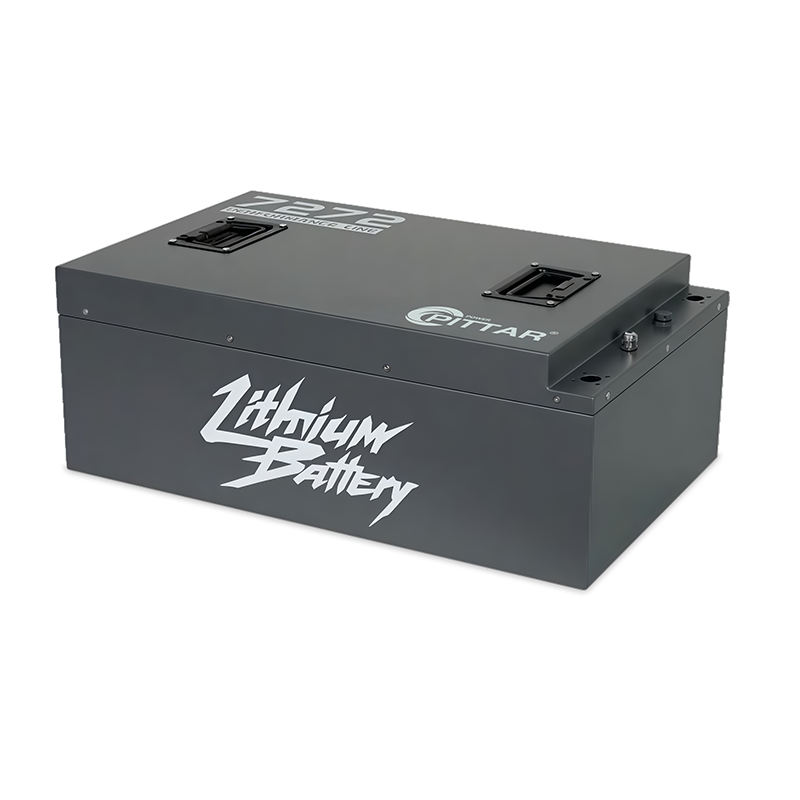
The LiFePO4 vs NMC Battery comparison is one of the most important chemistry decisions in modern lithium battery selection. Both are rechargeable lithium-ion battery chemistries, but they are optimized for different priorities. LiFePO4 batteries are known for long cycle life, strong thermal stability, safety, and energy storage value. NMC batteries are known for higher energy density, lighter pack design, and strong performance in EV and compact high-energy applications.
For B2B battery buyers, energy storage distributors, solar system integrators, portable power station manufacturers, EV industry professionals, and home backup users, the best battery chemistry depends on the application. A battery designed for a solar cabinet does not need the same chemistry priorities as a battery designed for an electric vehicle.
This article provides a balanced LiFePO4 vs NMC comparison and supports the lithium battery pillar guide [What Is a Lithium Battery?]. For a broader chemistry overview, see [Types of Lithium Batteries Explained].
____________________________________________________________________________
What Is a LiFePO4 Battery?
A LiFePO4 battery, also called a lithium iron phosphate battery or LFP battery, uses lithium iron phosphate as the cathode material. It belongs to the lithium-ion battery family, but it has a different performance profile from NMC, NCA, LCO, and other lithium chemistries.
LiFePO4 is widely used in solar energy storage, home backup systems, RV batteries, marine power, telecom backup, industrialstorage cabinets, and portable power stations. It is especially attractive where long cycle life, safe operation, and frequent deep cycling matter.
For a deeper educational guide, link to [What Is LiFePO4 Battery?].
____________________________________________________________________________
What Is an NMC Battery?
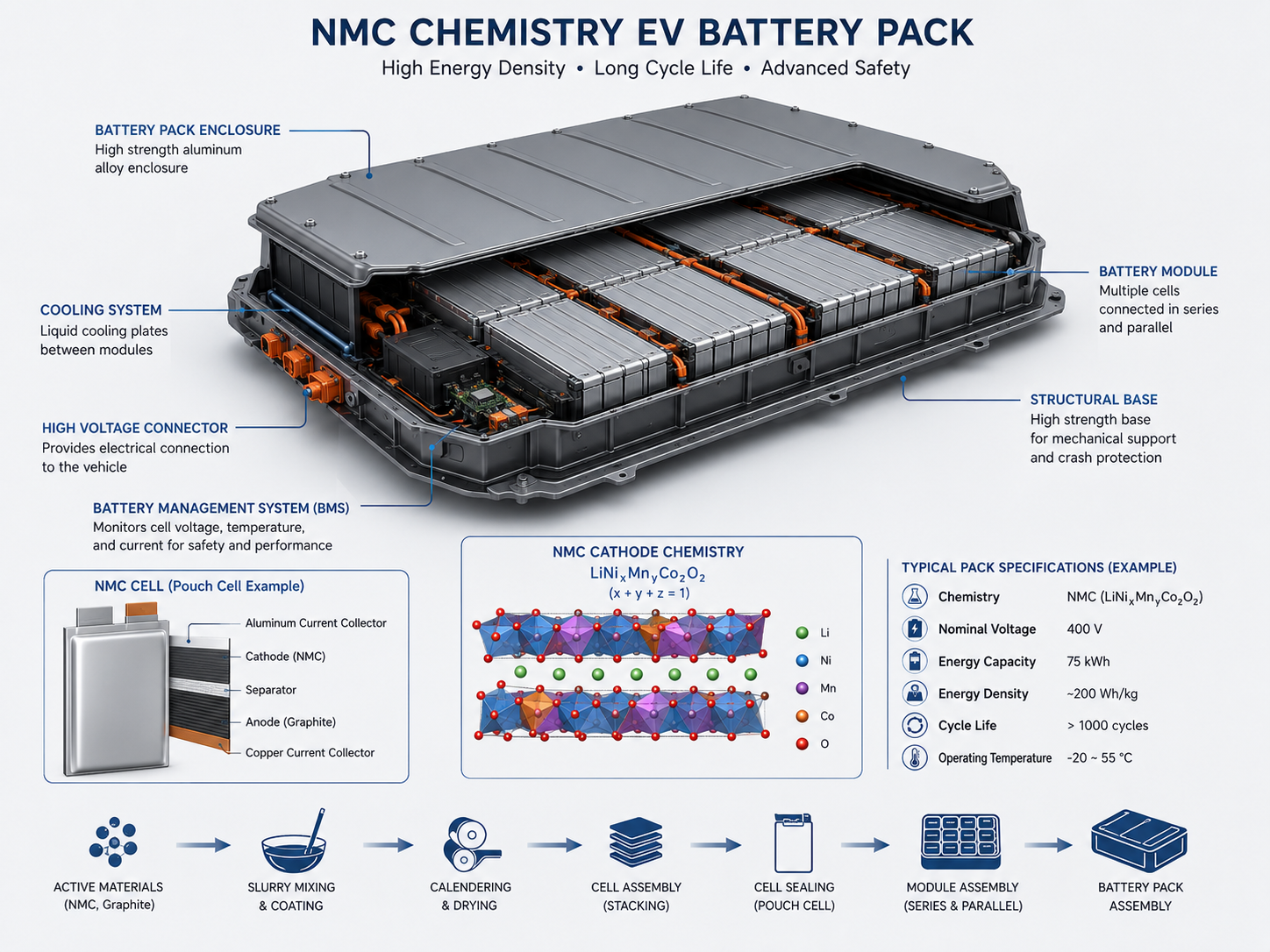
An NMC battery uses a cathode chemistry based on nickel, manganese, and cobalt. The name NMC comes from these three key metals. Different NMC formulations vary in the ratio of nickel, manganese, and cobalt, which affects energy density, cost, power capability, and safety requirements.
NMC Battery Applications commonly include electric vehicles, e-bikes, power tools, drones, consumer electronics, and some portable power products where high energy density is important. NMC chemistry is often chosen when a battery pack must store more energy in less space and weight.
However, NMC batteries typically require careful thermal management and strong BMS control, especially in high-power or compact pack designs.
____________________________________________________________________________
Understanding Lithium Battery Chemistries
A lithium battery’s chemistry determines its voltage profile, energy density, cycle life, thermal stability, cost, and best application fit. In simple terms, the cathode material strongly shapes battery behavior.
A Lithium Battery Chemistry Comparison should not treat one chemistry as universally best. Instead, it should match the chemistry to the product goal:
LiFePO4: safety, long cycle life, deep-cycle storage.
NMC: high energy density, lighter packs, EV and compact energy use.
LCO: consumer electronics.
NCA: high-energy EV applications.
LTO: fast charging and long cycle life in specialized use cases.
For a working-principle explanation, link to [How Does a Lithium Battery Work?]. For the market reasons behind lithium adoption, see [Why Are Lithium Batteries So Popular?].
____________________________________________________________________________
Key Differences Between LiFePO4 and NMC Batteries
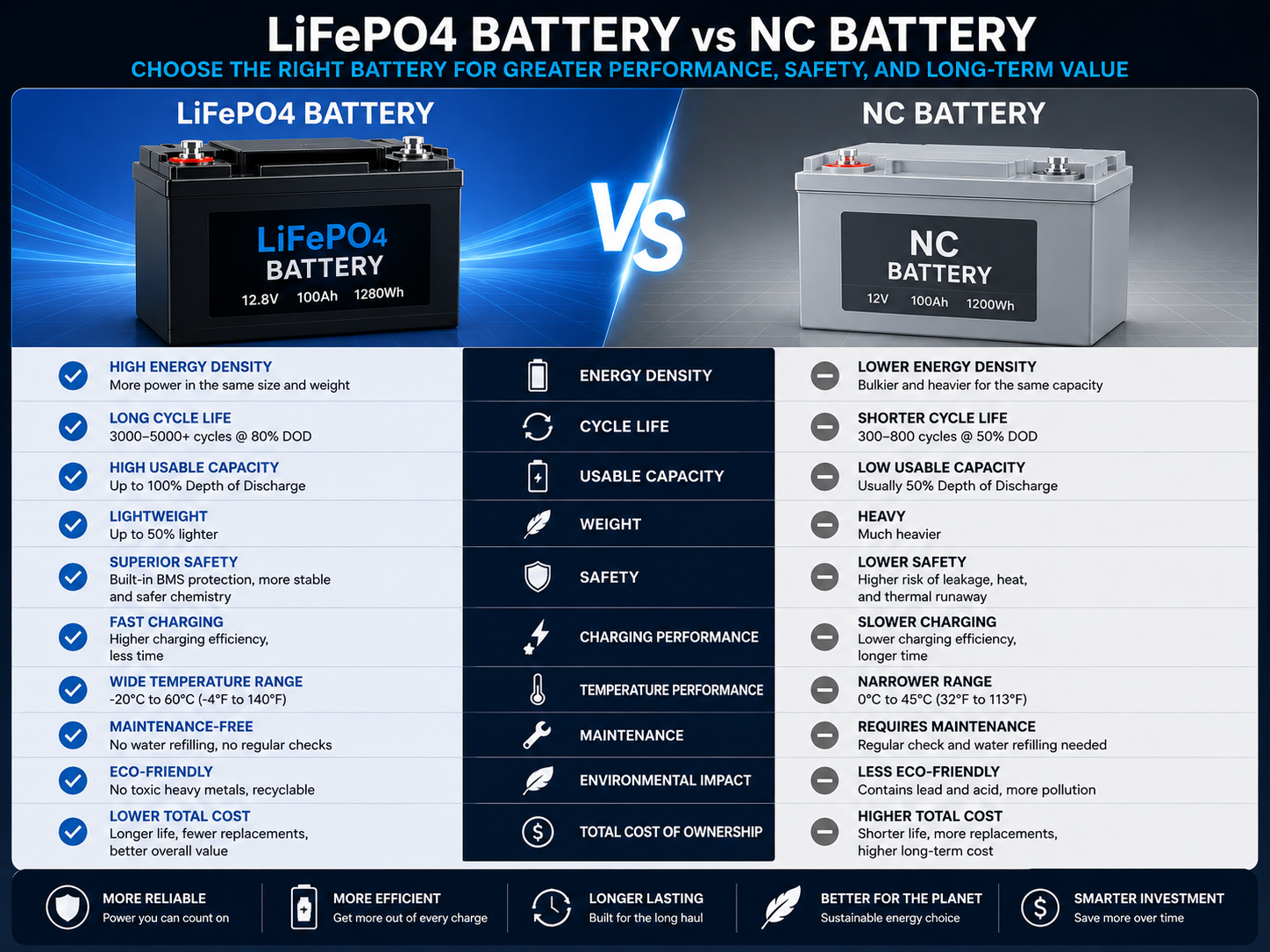
The key difference in the NMC Battery vs LiFePO4 comparison is chemistry and application priority. LiFePO4 uses lithium iron phosphate, while NMC uses nickel manganese cobalt oxide.
Factor |
LiFePO4 Battery |
NMC Battery |
Cathode chemistry |
Lithium iron phosphate |
Nickel manganese cobalt oxide |
Energy density |
Moderate |
Higher |
Cycle life |
Often longer in deep-cycle use |
Good, but varies by design |
Thermal stability |
Strong |
Requires careful thermal control |
Weight |
Heavier for same nominal energy |
Lighter for same nominal energy |
Cost factors |
Often strong lifecycle value |
Affected by nickel and cobalt markets |
Best fit |
Solar storage, home backup, RV, ESS |
EVs, compact products, high-energy packs |
Featured-snippet answer: LiFePO4 is usually better for safety-focused energy storage and long cycle life, while NMC is usually better when high energy density and lighter pack design are the top priorities.
____________________________________________________________________________
Energy Density Comparison: LiFePO4 vs NMC Battery
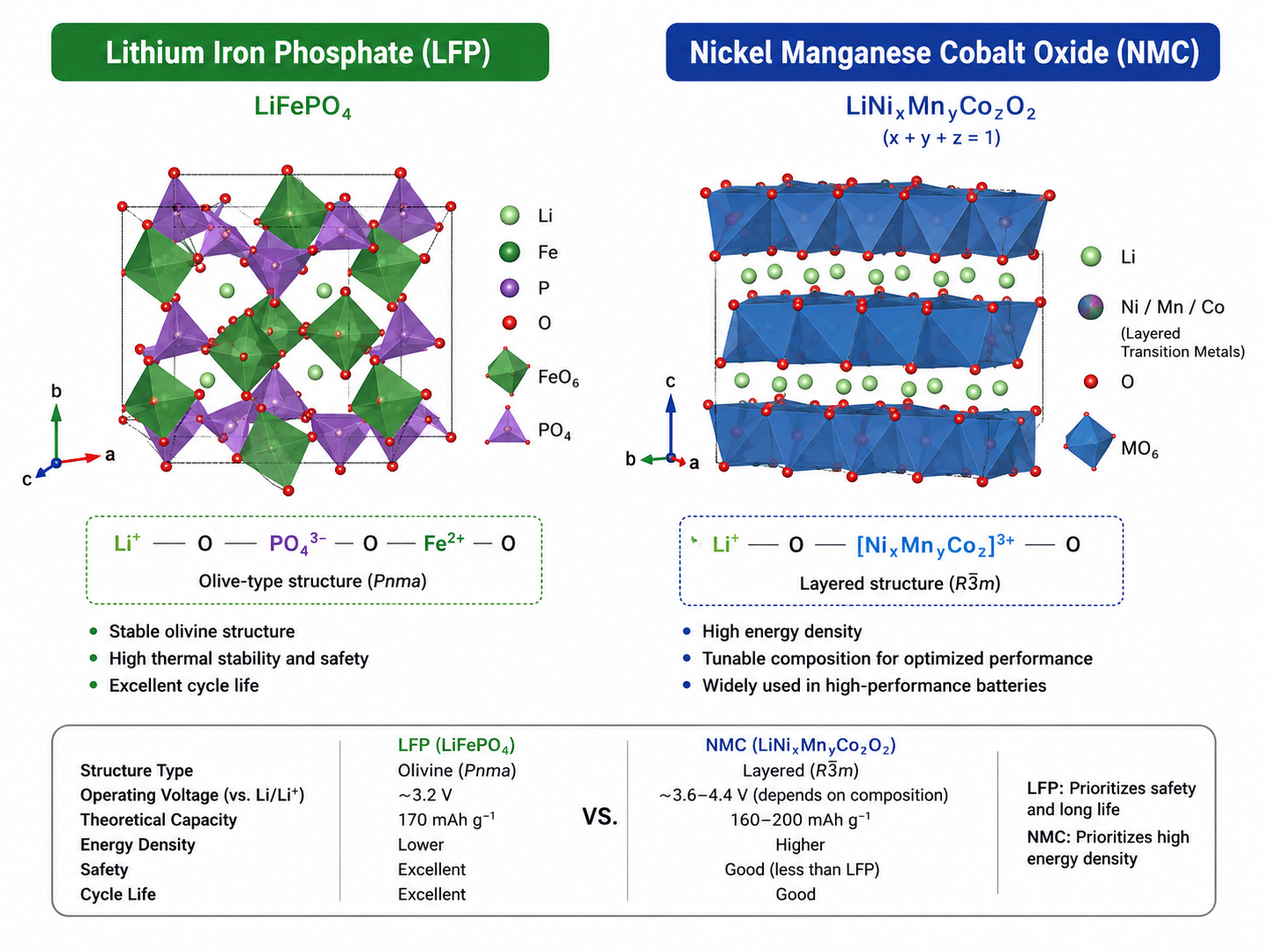
Energy density is one of the clearest differences in a LiFePO4 vs NMC Battery comparison. NMC batteries generally provide higher energy density, meaning they can store more energy in a smaller and lighter pack.
This makes NMC attractive for electric vehicles, e-bikes, drones, power tools, and compact mobile devices. In these applications, every kilogram and liter matters.
LiFePO4 batteries have lower energy density than NMC, but that is not always a disadvantage. In solar storage cabinets, home backup batteries, and larger portable power stations, slightly larger size may be acceptable if the battery provides long cycle life, stable performance, and strong safety.
____________________________________________________________________________
Cycle Life Comparison
Cycle life measures how many charge-discharge cycles a battery can deliver before its capacity declines to a defined end-of-life threshold. LiFePO4 often has an advantage in deep-cycle applications.
For solar energy storage, home backup, RV systems, and industrial energy storage, batteries may cycle daily. In these cases, longer cycle life can reduce replacement frequency and improve total cost of ownership.
NMC batteries can still provide strong cycle performance when properly engineered, but many NMC systems are optimized for energy density. Buyers should compare cycle-life claims based on depth of discharge, temperature, charge/discharge rate, and capacity retention threshold.
For a broader comparison of lithium-ion families, link to [Difference Between Lithium-Ion and LiFePO4].
____________________________________________________________________________
Safety Comparison
Safety is a major factor in any LiFePO4 Battery Comparison. LiFePO4 is widely recognized for strong thermal and chemical stability. This makes it attractive for residential, commercial, and industrial energy storage systems.
NMC batteries can also be safe when properly designed, manufactured, cooled, and managed by a reliable BMS. However, because NMC chemistry has higher energy density, pack-level thermal management and protection design become especiallyimportant.
Safety Factor |
LiFePO4 Battery |
NMC Battery |
Thermal stability |
Strong |
Requires stronger thermal control |
Energy concentration |
Lower |
Higher |
BMS importance |
Important |
Critical |
Home storage suitability |
Strong |
Possible with proper design |
Abuse tolerance |
Generally stronger |
Design-dependent |
For a dedicated safety article, link to [Are Lithium Batteries Safe?].
____________________________________________________________________________
Charging Performance Comparison
Both LiFePO4 and NMC batteries can charge efficiently with the correct charger, inverter, or power conversion system. Charging performance depends on cell design, BMS settings, temperature, current limits, and system architecture.
NMC batteries are often used in applications that require strong power and compact pack design. LiFePO4 batteries are commonly used in storage systems that need stable daily charging from solar or grid power.
For buyers, charging questions should include:
What is the recommended charge voltage?
What is the maximum charge current?
Does the BMS communicate with the inverter?
How does the battery handle low-temperature charging?
What charging profile does the manufacturer require?
Incorrect charging settings can reduce lifespan or trigger protection functions in both chemistries.
____________________________________________________________________________
Temperature Performance Comparison
Temperature affects all lithium battery chemistries. High heat accelerates aging, while low temperatures can reduce discharge capability and limit charging.
LiFePO4 batteries are valued for thermal stability, but they still require proper operating limits. Low-temperature charging must be controlled, and some systems include heating features.
NMC batteries can perform well in EV and mobility applications, but thermal management is often more critical due to higher energy density and pack compactness.
Temperature Factor |
LiFePO4 Battery |
NMC Battery |
High-temperature stability |
Strong |
More thermal management required |
Low-temperature discharge |
Reduced but manageable |
Reduced but manageable |
Low-temperature charging |
Requires protection |
Requires protection |
Pack cooling need |
Lower in many storage uses |
Higher in high-power designs |
____________________________________________________________________________
Weight Comparison
NMC usually has the advantage when weight and compactness are critical. Higher energy density allows an NMC pack to store more energy at lower weight compared with a LiFePO4 pack of similar nominal capacity.
For EVs, e-bikes, drones, and high-end portable devices, this can be a major advantage. For stationary systems, weight is often less important. A solar storage battery cabinet or wall-mounted home backup system can often accept a slightly heavier LiFePO4 battery if it improves safety and lifespan.
____________________________________________________________________________
Cost Comparison
Cost depends on materials, pack design, cell quality, production scale, warranty, and application requirements. NMC batteries can be affected by nickel and cobalt price volatility. LiFePO4 batteries avoid cobalt in the cathode and often offer strong lifecycle value in energy storage applications.
Upfront cost is only one part of the decision. For a battery that cycles daily, replacement frequency and usable lifetime may matter more.
Cost Factor |
LiFePO4 Battery |
NMC Battery |
Upfront cell cost |
Market-dependent |
Market-dependent |
Material risk |
No cobalt in cathode |
Nickel and cobalt exposure |
Cycle-life value |
Strong in storage |
Strong where compactness is valuable |
Thermal management cost |
Often lower |
Often higher in high-power packs |
Best economic fit |
ESS, solar, backup |
EVs, mobility, compact packs |
____________________________________________________________________________
Total Cost of Ownership Analysis
Total cost of ownership includes purchase price, usable capacity, cycle life, cooling requirements, safety design, replacement frequency, warranty risk, and service cost.
A LiFePO4 battery may have the better TCO in daily-cycling energy storage because it can offer long cycle life and lower thermal-management complexity. NMC may have better TCO in mobility products because higher energy density can reduce pack size, vehicle weight, or product footprint.
Scenario |
Better TCO Candidate |
Reason |
Daily solar storage |
LiFePO4 |
Long cycle life and safety profile |
Home backup |
LiFePO4 |
Stability and deep-cycle value |
Long-range EV |
NMC |
Higher energy density |
Compact power tool |
NMC |
Lightweight pack design |
Large portable power station |
LiFePO4 |
Long lifespan and user confidence |
Soft CTA: Explore LiFePO4 battery products
If your project prioritizes long cycle life, safety, and deep-cycle energy storage, explore our LiFePO4 battery products to compare voltage platforms, capacity options, BMS features, and OEM/ODM support.
____________________________________________________________________________
LiFePO4 vs NMC Battery for Solar Energy Storage
For solar energy storage, LiFePO4 is usually the preferred choice. Solar batteries often charge during the day and discharge at night, so cycle life, safety, and daily deep-cycle performance are more important than maximum energy density.
NMC can be used in storage systems, but the higher energy density advantage is less critical in stationary installations. For residential and commercial solar storage, buyers often prioritize safety, warranty, inverter communication, and long service life.
For buyer guidance, link to [Best Lithium Battery for Solar Storage].
Soft CTA: Explore solar storage battery systems
For solar integrators and energy storage distributors, our solar storage battery systems are designed for daily cycling, scalable capacity, inverter compatibility, and long-term energy resilience.
____________________________________________________________________________
LiFePO4 vs NMC Battery for Home Backup Power
For home backup power, LiFePO4 is often preferred because homeowners and installers value safety, long service life, and reliable backup performance. A battery installed in or near a home should be engineered for stable operation and long-term confidence.
NMC may still be considered where installation space is extremely limited or where a specific system design requires higher energy density. However, for most home energy storage applications, LiFePO4 provides a strong balance of safety and cycle life.
For home storage planning, link to [Home Energy Storage Battery Guide].
Soft CTA: Explore home energy storage battery solutions and portable power station battery packs
If you are designing residential backup, solar self-consumption, or portable power products, explore our home energy storage battery solutions and portable power station battery packs for safe operation, scalable capacity, and long-term reliability.
____________________________________________________________________________
LiFePO4 vs NMC for Electric Vehicles
For electric vehicles, NMC has historically been popular because energy density directly affects driving range, pack weight, and vehicle packaging. Higher energy density helps automakers design vehicles with longer range without making the battery pack too large.
LiFePO4 is also used in EVs, especially where cost, safety, and durability are priorities. The right chemistry depends on vehicle segment, range target, charging strategy, climate, and cost positioning.
In simple terms:
NMC often fits long-range EVs and compact high-energy mobility.
LiFePO4 often fits cost-sensitive, safety-focused, and durability-focused EV platforms.
____________________________________________________________________________
LiFePO4 vs NMC Battery for Portable Power Stations
For portable power stations, both chemistries can be used. NMC can help create lighter and more compact products. LiFePO4 is increasingly popular in larger portable power stations because users value long cycle life, stable output, and safety.
A Portable Power Station Battery must balance runtime, weight, recharge speed, user safety, and product lifespan. For entry-level compact models, NMC may be attractive. For long-life outdoor, emergency, and professional power products, LiFePO4 is often the better fit.
For product category navigation, link to [Portable Power Station].
____________________________________________________________________________
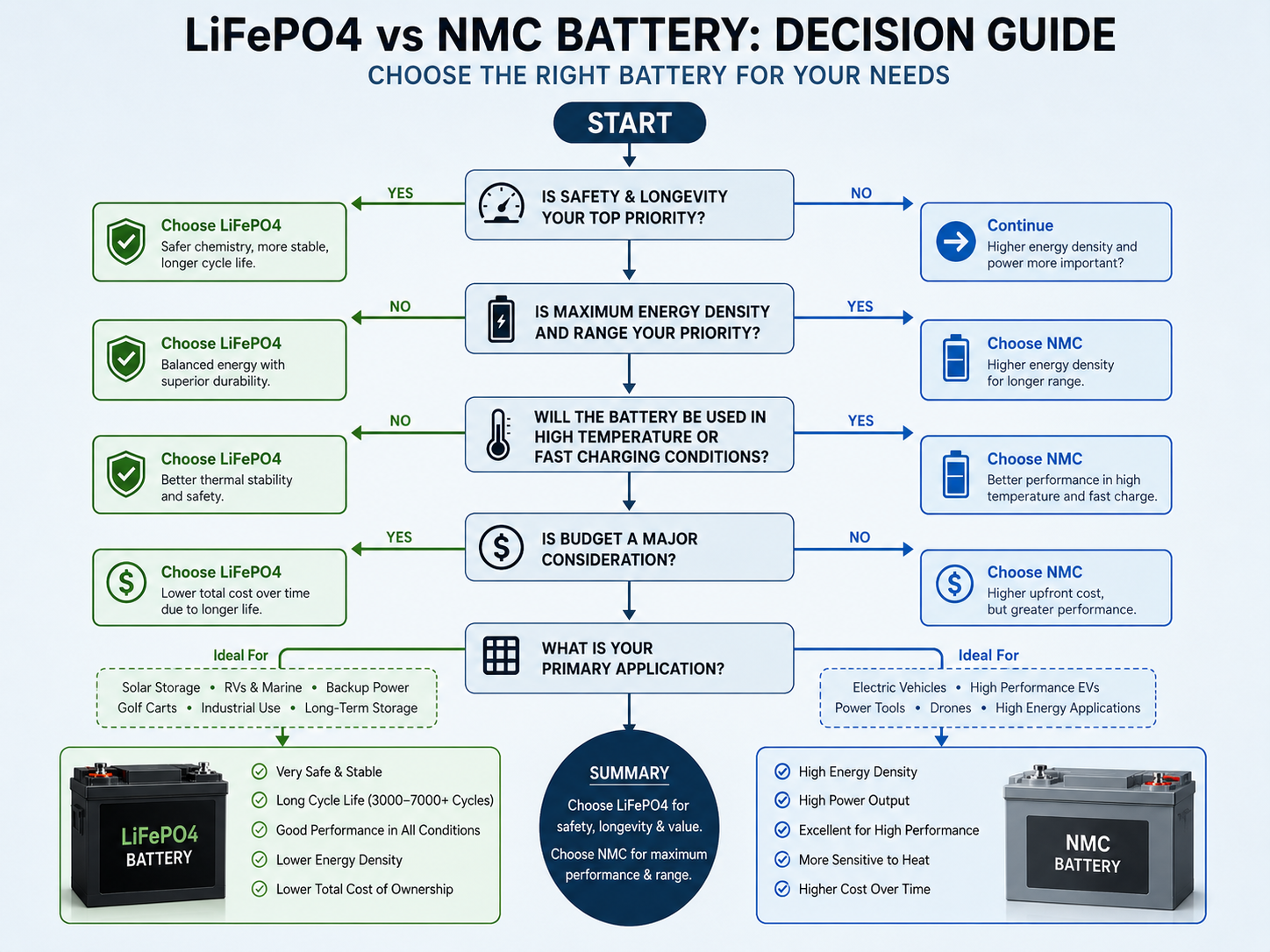
Which Battery Chemistry Should You Choose?
The Best Battery Chemistry depends on the application.
Choose LiFePO4 when:
Safety and thermal stability are top priorities.
The system cycles frequently.
Long service life matters.
The application is solar storage, home backup, RV, marine, or portable power.
Total lifecycle cost is more important than minimum size.
Choose NMC when:
High energy density is the top priority.
The product must be compact and lightweight.
The application is EV, drone, power tool, or compact mobile energy.
Strong thermal management is included.
Weight reduction improves product value.
For buyers also comparing lithium against older battery technologies, see [LiFePO4 vs Lead Acid Battery] and [Lithium Battery vs AGM Battery].
____________________________________________________________________________
Frequently Asked Questions
Is LiFePO4 better than NMC?
LiFePO4 is often better for energy storage, home backup, RV, marine, and long-cycle applications because it offers strong safety and long cycle life. NMC may be better for compact and lightweight applications that need higher energy density.
What is the main difference between LiFePO4 and NMC batteries?
The main difference is cathode chemistry. LiFePO4 uses lithium iron phosphate, while NMC uses nickel manganese cobalt oxide. This affects energy density, safety, cycle life, cost, and best-fit applications.
Which battery has higher energy density, LiFePO4 or NMC?
NMC usually has higher energy density than LiFePO4. This makes NMC useful for EVs, drones, and compact products where weight and space are limited.
Which battery is safer, LiFePO4 or NMC?
LiFePO4 is generally known for stronger thermal stability. NMC can also be safe with quality cells, strong BMS protection, and proper thermal management.
Which battery is better for solar storage?
LiFePO4 is often better for solar storage because it supports daily cycling, strong safety, long service life, and stable deep-cycle performance.
Which battery is better for portable power stations?
For compact lightweight models, NMC may be attractive. For larger long-life portable power stations, LiFePO4 is often preferred because of cycle life and safety.
Does NMC last as long as LiFePO4?
NMC can provide good lifespan when properly managed, but LiFePO4 often offers longer cycle life in deep-cycle applications. Actual lifespan depends on cell quality, temperature, depth of discharge, and BMS design.
____________________________________________________________________________
Conclusion
The LiFePO4 vs NMC Battery decision is not about choosing a universally superior chemistry. It is about matching chemistry to application. LiFePO4 is usually the stronger choice for solar energy storage, home backup, RV systems, industrial storage, and many portable power stations because it offers long cycle life, strong safety, stable performance, and excellent deep-cycle value.
NMC is often the better choice when high energy density, lower weight, and compact pack design are the top priorities. This is why NMC remains important for EVs, drones, power tools, and mobility applications.
For B2B buyers and product developers, the right decision should consider energy density, cycle life, safety, temperature behavior, cost, BMS design, certification, warranty, and total cost of ownership. The best battery chemistry is the one that fits the product’s real operating conditions.
 Hot News
2026-08-20
2026-08-16
2026-08-12
2026-08-03
2026-07-30
2026-07-26

Pittar Power is a professional manufacturer specializing inenergy storage solutions.
Room 302, Building 1, No. 10, Huangjin First Road, Nancheng District, Dongguan City, Guangdong Province, China
Copyright © Shenzhen Pittar Power Co., Ltd. All Rights Reserved Privacy Policy
 EN
EN