Why Are Lithium Batteries So Popular in solar storage, home backup, portable power stations, RV systems, marine power, and industrial energy storage? The short answer is that lithium batteries combine high energy density, long cycle life, fast charging, strong efficiency, and increasingly mature safety systems in a way that older battery technologies struggle to match.
For B2B battery buyers, energy storage distributors, solar system integrators, and product brands, lithium batteries are not popular simply because they are modern. They are popular because they solve practical problems: limited installation space, frequent cycling, long service expectations, lower maintenance, and growing demand for reliable clean-energy storage.
According to the International Energy Agency, lithium-ion batteries have become dominant in EV and energy storage applications after major cost reductions and performance improvements. Battery storage in the power sector more than doubled year-on-year in 2023, and lithium-ion battery costs fell by about 90% from 2010 to 2023. These trends help explain why lithium batteries have moved from consumer electronics into mainstream energy infrastructure.
This article supports the broader pillar guide [What Is a Lithium Battery?] and explains the key reasons behind lithium battery adoption worldwide.
________________________________________________________________________
What Are Lithium Batteries?
Lithium batteries are rechargeable batteries that use lithium-based chemistry to store and release electrical energy. In most energy storage and portable power applications, the term refers to lithium-ion batteries, where lithium ions move between the cathode and anode during charging and discharging.
If you need a technical explanation of the ion movement and charge-discharge process, see [How Does a Lithium Battery Work?]. For a broader chemistry overview, link to [Types of Lithium Batteries Explained].
Common lithium battery chemistries include LiFePO4, NMC, NCA, LCO, and others. Each has different strengths. For energy storage, LiFePO4 is especially important because it offers long cycle life, strong thermal stability, and reliable deep-cycle performance. For a dedicated guide, see [What Is LiFePO4 Battery?].
________________________________________________________________________
The Rise of Lithium Battery Technology: Why Are Lithium Batteries So Popular Today?
Lithium battery adoption has grown because several market forces converged at the same time:
Renewable energy deployment increased the need for storage.
EV manufacturing scaled up battery production.
Battery costs declined through manufacturing scale and R&D.
Energy density improved, enabling compact battery packs.
Battery management systems became more sophisticated.
Consumers and businesses demanded quieter, cleaner alternatives to fuel generators.
IEA analysis describes batteries as one of the fastest-growing energy technologies. It also reports that the energy sector now accounts for more than 90% of annual lithium-ion battery demand, compared with about 50% in 2016. This is a major shift: lithium batteries are no longer just for phones and laptops; they are now central to power systems, transportation, and distributed energy storage.
For buyers, the rise of lithium technology means more product options, better supplier ecosystems, broader inverter compatibility, and more mature after-sales support.
________________________________________________________________________
Longer Lifespan Compared to Traditional Batteries
One of the most important Benefits of Lithium Batteries is long service life. In deep-cycle applications, lithium batteries usually last longer than traditional lead acid batteries when operated within recommended conditions.This matters because many energy storage systems cycle daily. A solar battery may charge during the day and discharge at night. A home backup battery may cycle for time-of-use savings. An RV or marine battery may power appliances, pumps, and electronics for long off-grid periods.
A longer lifespan can reduce:
Battery replacement frequency.
Maintenance labor.
Downtime risk.
Total lifecycle cost.
Customer warranty pressure.
For B2B buyers, cycle life claims should always be reviewed with test conditions, including depth of discharge, temperature, charge/discharge rate, and end-of-life capacity threshold.
________________________________________________________________________
Higher Energy Density
Another reason lithium batteries became popular is higher energy density. Energy density means how much energy a battery stores relative to its size or weight. Compared with many traditional battery types, lithium batteries can store more usable energy in a smaller package.
This advantage is especially important for:
Portable power station products.
RV and marine battery upgrades.
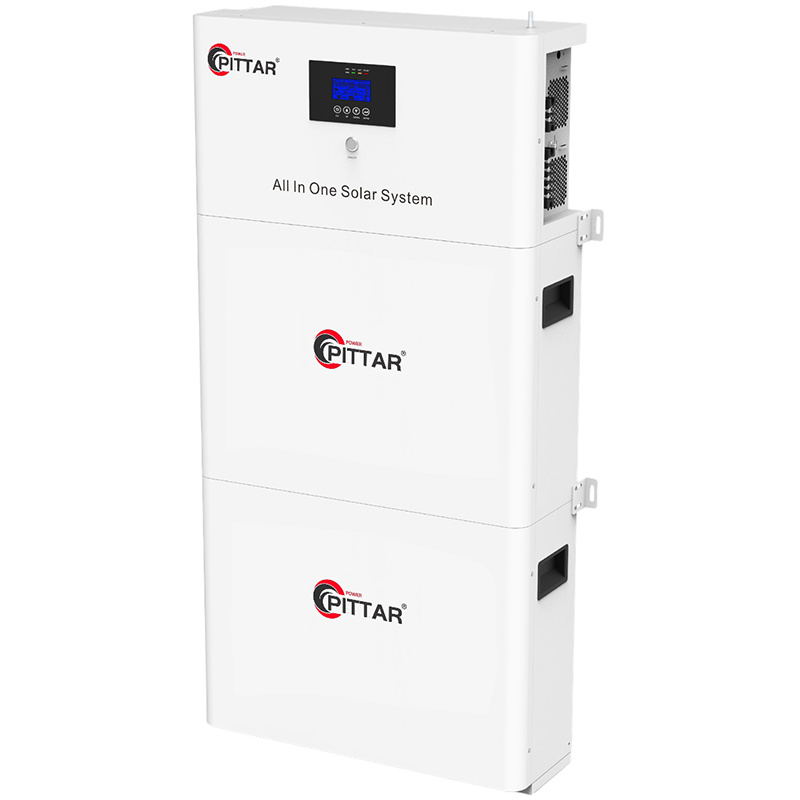
Wall-mounted home storage systems.
Compact solar battery cabinets.
Mobile industrial equipment.
Higher energy density does not mean every lithium chemistry is the same. NMC and related lithium-ion chemistries often prioritize compactness, while LiFePO4 prioritizes safety, cycle life, and storage value. For readers comparing chemistries, link to [Difference Between Lithium-Ion and LiFePO4].
________________________________________________________________________
Faster Charging Capabilities
Lithium batteries are also popular because they can charge faster than many traditional batteries when paired with compatible charging equipment. This matters in both consumer and industrial applications.
For example:
A solar battery can capture more energy during limited sunlight hours.
A portable power station can recharge faster before a trip or emergency.
An RV battery bank can recover capacity more efficiently from alternator or solar input.
Commercial energy storage can respond quickly to charging windows.
Fast charging must still be controlled. The charger, inverter, or solar charge controller must match the battery’s chemistry, voltage range, and recommended current. A professional battery management system helps prevent overcharge, overheating, and unsafe operation.
________________________________________________________________________
Lightweight and Compact Design
Lithium batteries are much lighter than lead acid batteries for similar usable energy. This difference is one of the clearest Advantages of Lithium Batteries in mobile applications.
In RVs, marine systems, service vehicles, and portable power products, weight affects installation, handling, transportation cost, and user experience. A lighter battery can make a product easier to carry, easier to mount, and more efficient in mobile environments.
For B2B product developers, compact lithium packs also support better industrial design. Brands can create smaller portable power stations, cleaner home backup enclosures, and more space-efficient solar storage cabinets.
________________________________________________________________________
Better Efficiency and Performance
Lithium batteries generally provide stronger round-trip efficiency than lead acid batteries. Round-trip efficiency describes how much energy can be recovered after charging and discharging. Higher efficiency means less energy is lost as heat or internal resistance.
Performance advantages include:
Higher usable capacity.
Better voltage stability.
Lower self-discharge.
Efficient deep-cycle operation.
Stronger performance under repeated cycling.
For solar storage, efficiency directly affects the value of harvested solar energy. For home backup, it affects how long essential loads can run. For portable power stations, it affects real-world runtime and customer satisfaction.
________________________________________________________________________
Enhanced Safety with Modern Battery Management Systems
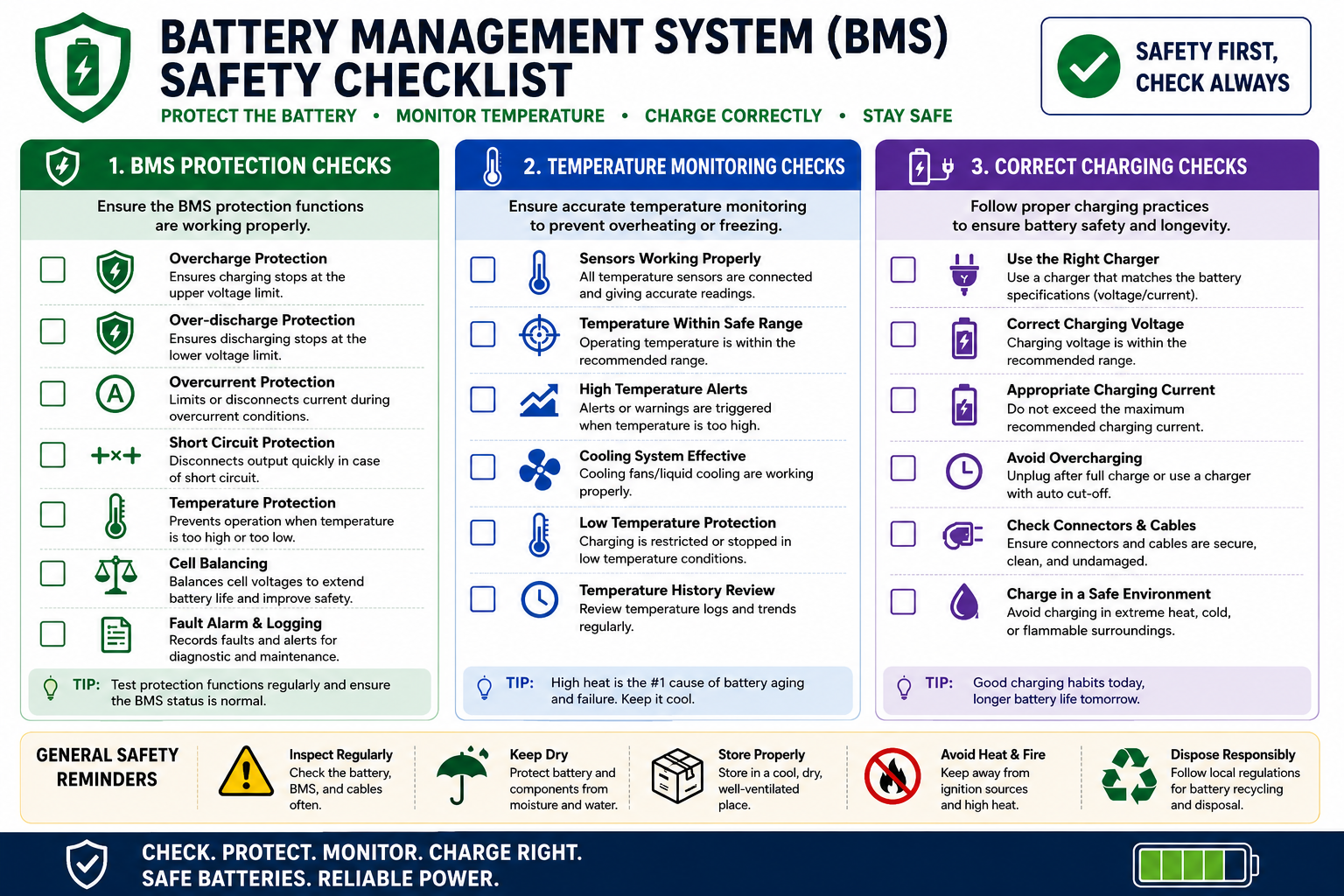
Safety has improved significantly through better battery chemistry, pack engineering, and battery management systems. A BMS monitors cell voltage, current, temperature, state of charge, and protection thresholds.
Modern lithium battery safety depends on:
Quality cell selection.
Cell matching and pack design.
Overcharge and over-discharge protection.
Short-circuit and overcurrent protection.
Temperature monitoring.
Proper enclosure and insulation.
Certification and correct installation.
LiFePO4 batteries are especially popular in energy storage because they offer strong thermal stability. However, no battery should be treated as risk-free. Safe performance depends on chemistry, manufacturing quality, BMS design, charger compatibility, and user behavior.
________________________________________________________________________
Environmental Benefits of Lithium Batteries
Lithium batteries support environmental goals in several ways. They enable solar and wind power to be stored for later use, reduce dependence on fuel generators, and support electrification across transportation, homes, and industry.
They also last longer in many deep-cycle applications, which can reduce replacement frequency. LiFePO4 chemistry does not use cobalt in the cathode, which can be relevant for buyers concerned about cobalt supply chains.
At the same time, responsible end-of-life handling is essential. Lithium-ion batteries should be recycled through proper channels, not discarded in household trash or normal recycling bins. EPA guidance highlights that used lithium-ion batteries require careful handling and recycling to reduce fire risk and recover valuable materials.
A strong sustainability strategy should include safe product design, long service life, responsible sourcing, and recycling support.
________________________________________________________________________
Why Are Lithium Batteries So Popular Compared to Lead Acid Batteries?
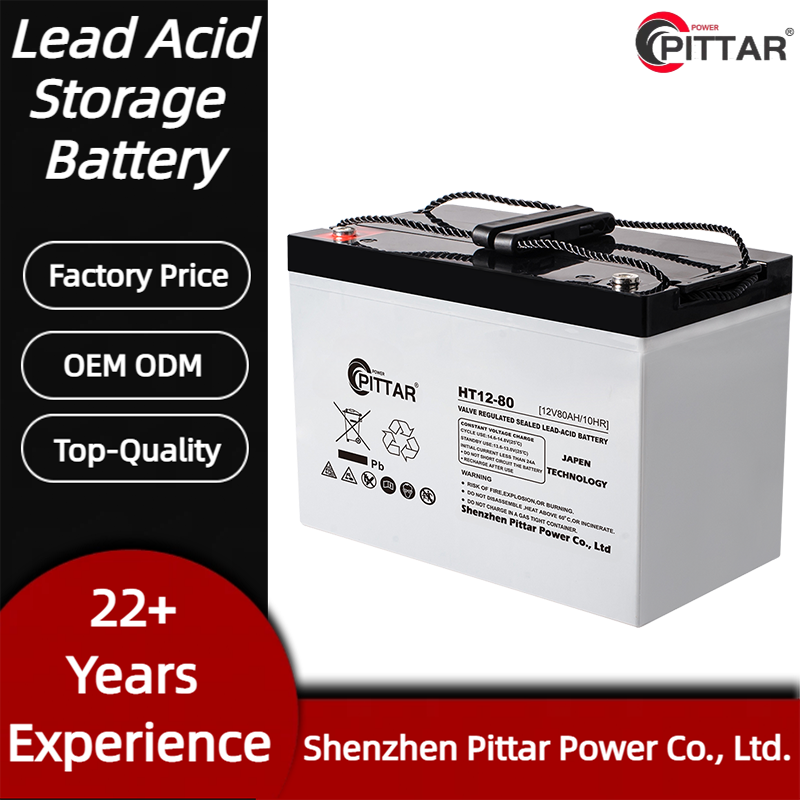
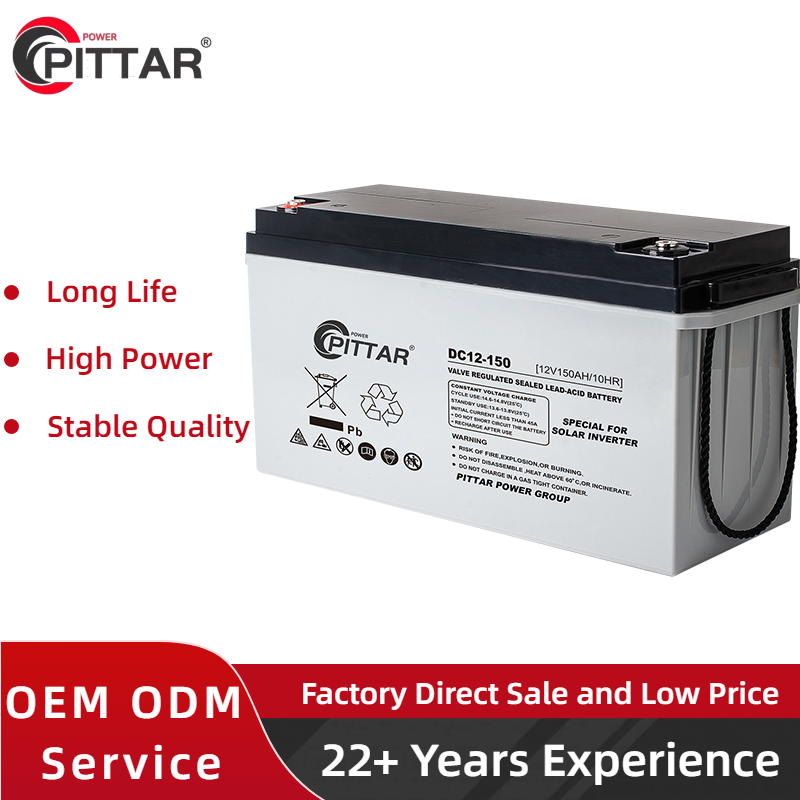
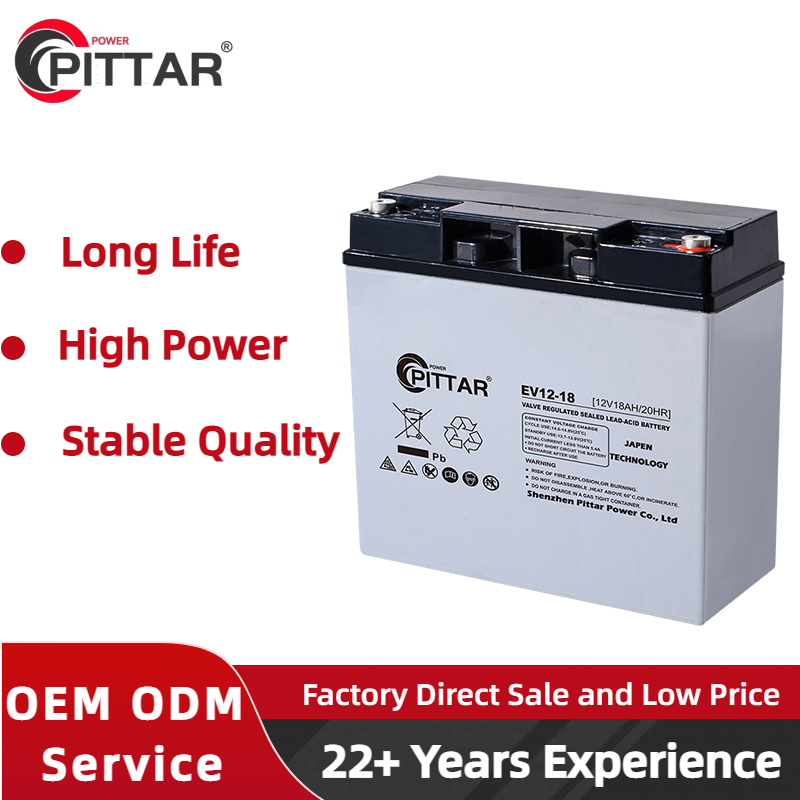
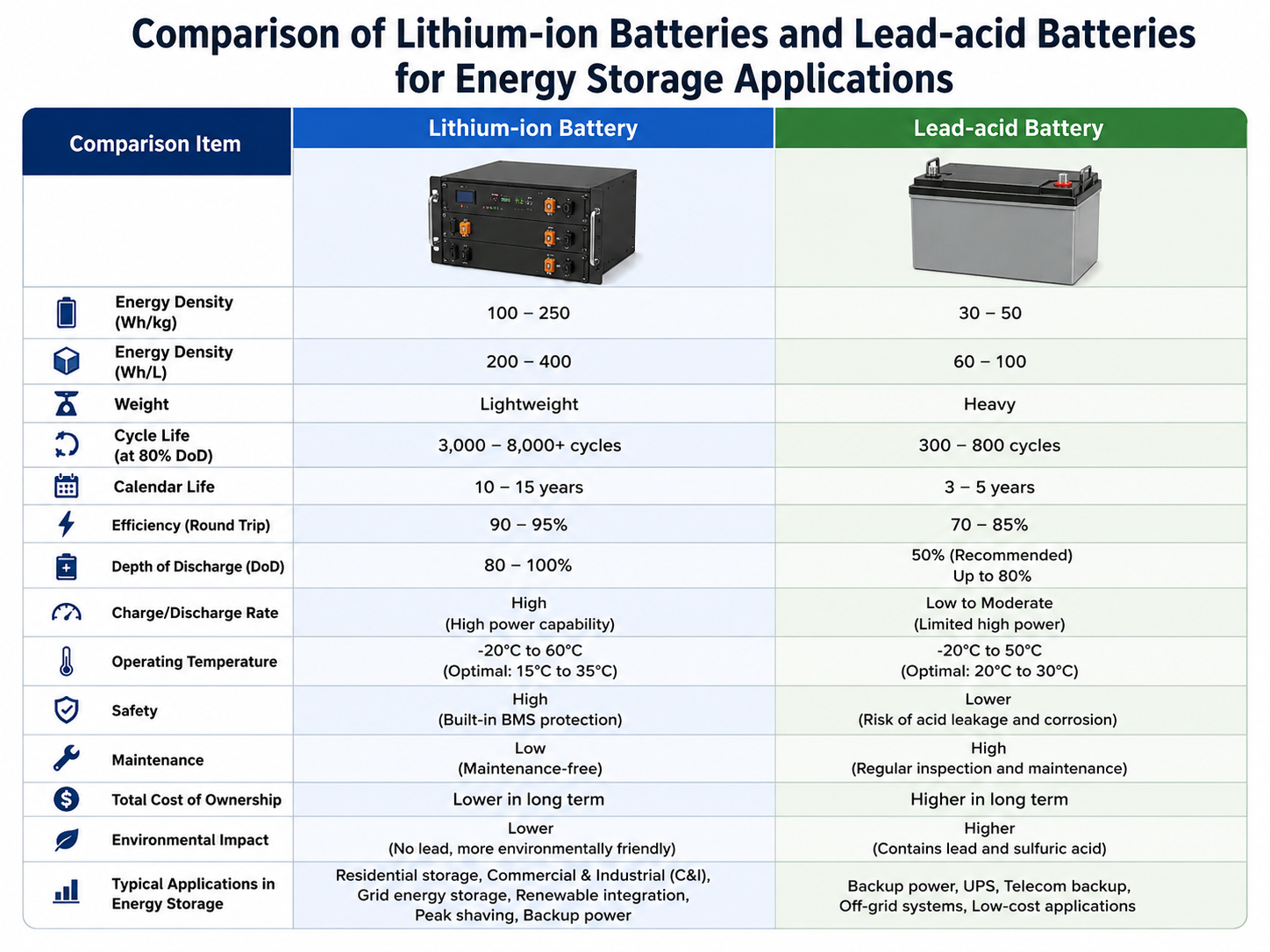
The Lithium Battery vs Lead Acid comparison is one of the main reasons lithium adoption has grown. Lead acid batteries remain familiar and relatively low in upfront cost, but lithium batteries often provide better value in frequent-cycling applications.
Factor |
Lithium Battery |
Lead Acid Battery |
Usable capacity |
Higher depth of discharge in many systems |
Lower recommended depth of discharge |
Cycle life |
Usually longer in deep-cycle use |
Shorter under frequent deep discharge |
Weight |
Lighter |
Heavier |
Charging speed |
Faster with compatible charger |
Slower |
Efficiency |
Higher round-trip efficiency |
Lower efficiency |
Maintenance |
Low maintenance |
May require maintenance depending on type |
Upfront cost |
Higher |
Lower |
Lifecycle value |
Strong in high-cycle applications |
Better for low-cost, low-cycle use cases |
For a deeper comparison, link to [LiFePO4 vs Lead Acid Battery].
________________________________________________________________________
Why LiFePO4 Batteries Are Becoming the Preferred Choice
LiFePO4 battery adoption is accelerating because the chemistry fits many energy storage needs. The strongest LiFePO4 Battery Advantages are long cycle life, strong safety, stable performance, and suitability for deep-cycle use.
LiFePO4 is not always the highest energy-density lithium chemistry. However, for solar storage, home backup, RV power, marine systems, and portable energy products, maximum energy density is not always the top priority. Buyers often care more about safety, reliability, service life, and total cost over years of operation.
LiFePO4 is especially suitable for:
Daily solar charge/discharge cycles.
Residential and commercial backup systems.
RV and marine house battery banks.
Portable power stations designed for long lifespan.
Telecom and industrial backup.
Soft CTA: Explore LiFePO4 battery products
If you are sourcing batteries for energy storage, RV, marine, or industrial backup projects, explore our LiFePO4 battery products to compare voltage platforms, capacity options, BMS features, and customization support.
________________________________________________________________________
Popular Applications of Lithium Batteries
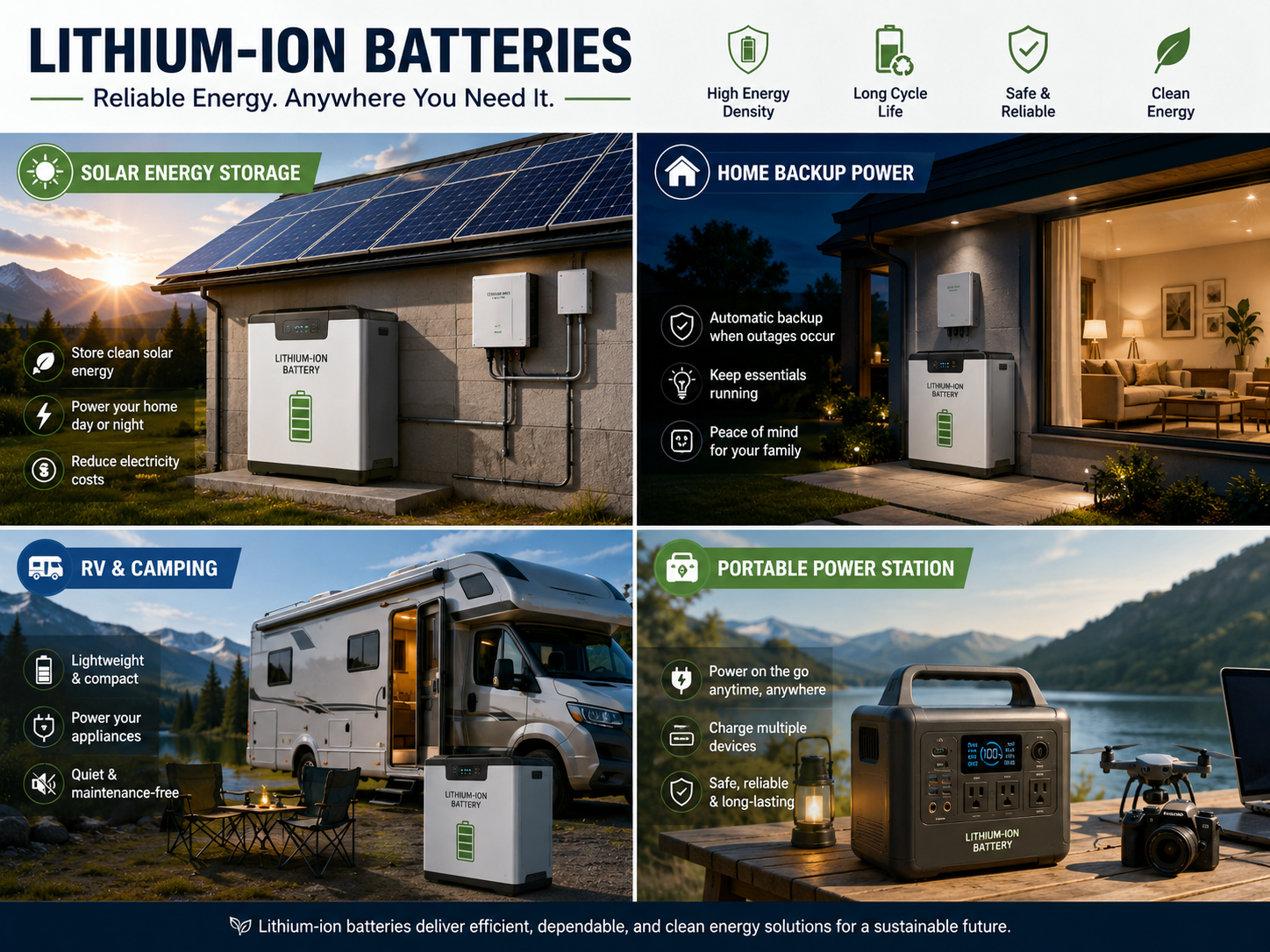
Lithium batteries are popular because they solve different problems across multiple markets.
Solar Energy Storage
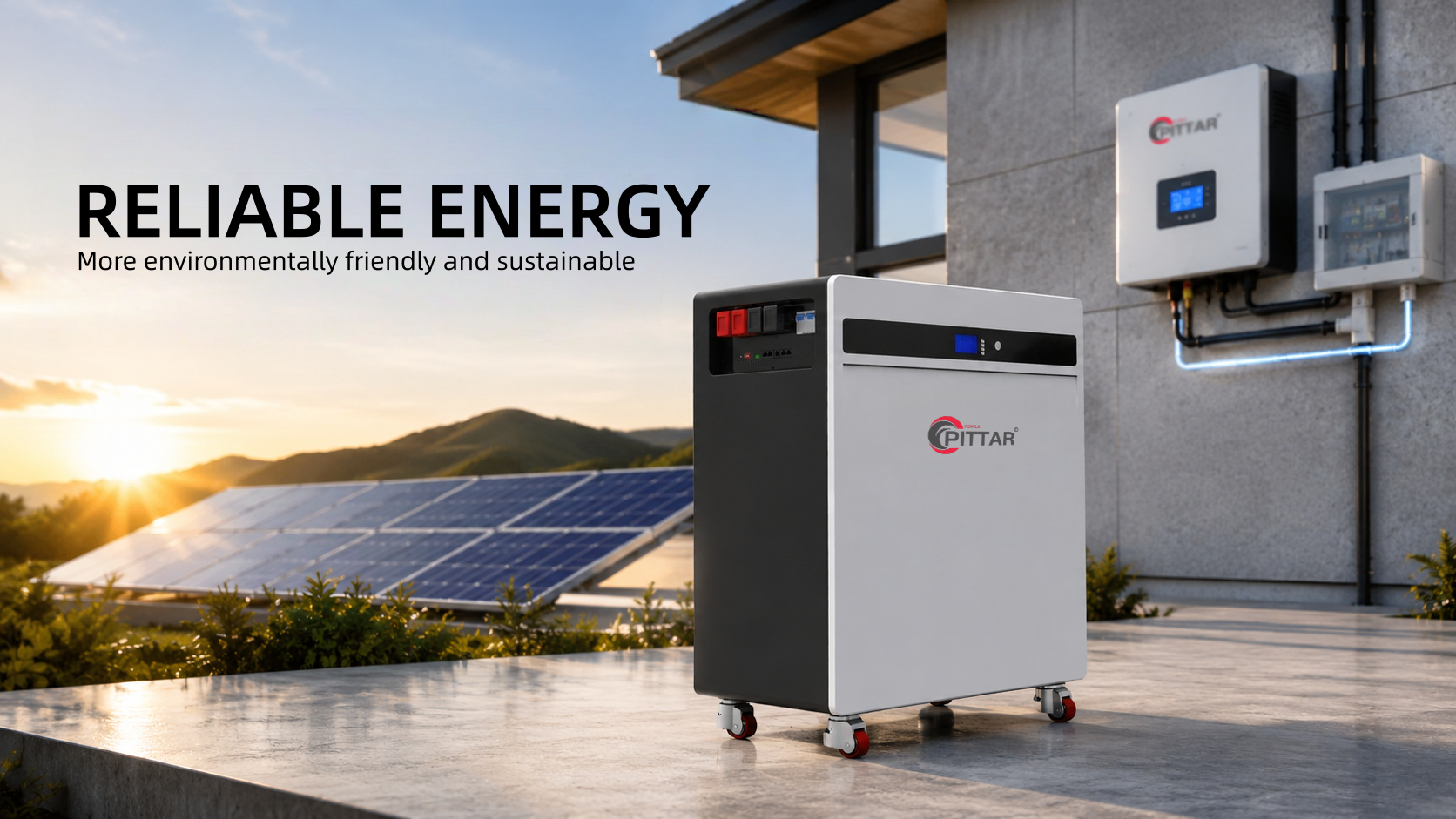
A Lithium Battery for Solar Storage stores excess solar energy for use at night, during grid outages, or during peak electricity pricing. For solar installers and distributors, lithium batteries provide efficient daily cycling and scalable system design. Link to [Best Lithium Battery for Solar Storage] for buyer guidance.
Soft CTA: Explore solar energy storage batteries and home backup battery systems
For solar projects, our solar energy storage batteries are designed to support long-term cycling, inverter communication, scalable capacity, and reliable backup performance.
Home Backup Power
A Lithium Battery for Home Backup can keep essential loads running during power outages. It may support lights, routers, refrigeration, medical devices, and selected appliances. For system design education, link to [Home Energy Storage Battery Guide].
Portable Power Stations
A Portable Power Station Battery must be compact, reliable, safe, and capable of powering AC and DC loads. Lithium batteries make portable power stations lighter, quieter, and easier to recharge than fuel-based alternatives. Link to [Portable Power Station] product or guide pages.
Soft CTA: Explore portable power station solutions
If you are developing outdoor, emergency, or professional mobile power products, compare our portable power station solutions for battery chemistry, runtime, solar input, and safety protection.
RV and Marine Systems
RV and marine users choose lithium batteries because they offer lighter weight, deeper usable capacity, fast charging, and long deep-cycle life. A Deep Cycle Lithium Battery can power refrigerators, pumps, lighting, navigation equipment, and off-grid appliances.
Industrial Applications
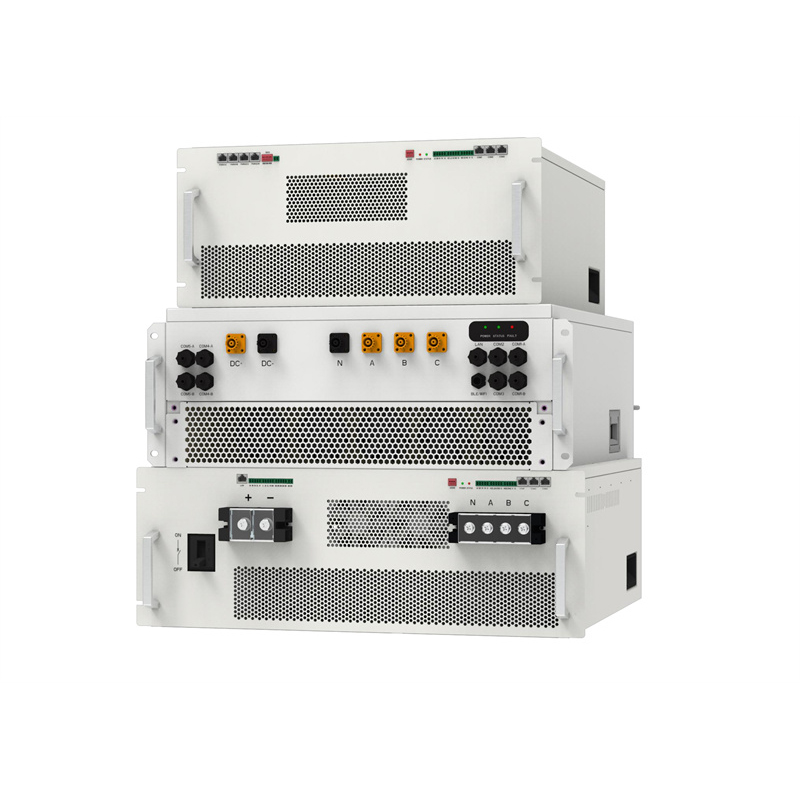
Industrial users rely on lithium batteries for UPS systems, telecom backup, warehouse equipment, field power systems, and commercial energy storage. For these buyers, documentation, certifications, BMS communication, enclosure design, and after-sales support are critical.
________________________________________________________________________
Future Trends in Lithium Battery Technology
Lithium battery technology will continue to improve as demand grows across transportation, renewable energy, and distributed power systems.
Key trends include:
Continued growth of LiFePO4 in stationary storage.
More advanced BMS software and cloud monitoring.
Better recycling and circular supply chains.
Lower system costs through manufacturing scale.
Higher integration with solar, EV charging, and smart home platforms.
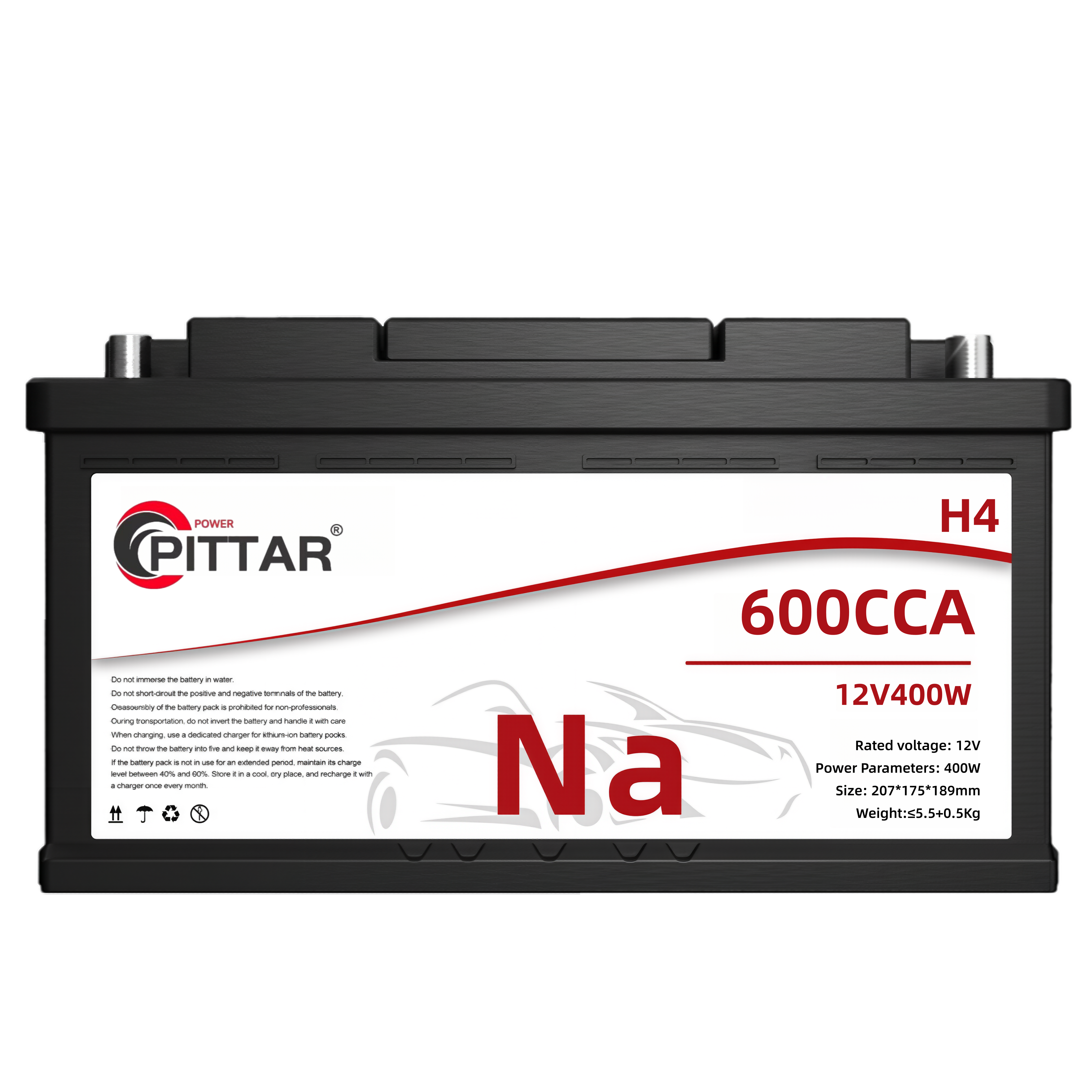
Development of sodium-ion and solid-state batteries for future applications.
IEA analysis projects further lithium-ion battery cost reductions and continued growth in battery storage as renewable energy expands. For manufacturers and distributors, this means competition will intensify, but demand for safe, well-documented, application-specific battery solutions will also grow.
________________________________________________________________________
Frequently Asked Questions
Why Are Lithium Batteries So Popular?
Lithium batteries are popular because they offer high energy density, long cycle life, fast charging, strong efficiency, lower maintenance, and reliable performance across solar storage, portable power, home backup, RV, marine, and industrial applications.
What are the main Benefits of Lithium Batteries?
The main benefits include longer lifespan, lighter weight, faster charging, higher usable capacity, better round-trip efficiency, and lower maintenance compared with many traditional battery technologies.
Why choose lithium batteries instead of lead acid batteries?
Many buyers choose lithium batteries because they provide more usable capacity, longer cycle life, faster charging, lighter weight, and better long-term value in frequent-cycling applications.
Are LiFePO4 batteries better for energy storage?
LiFePO4 batteries are often preferred for energy storage because they provide long cycle life, strong thermal stability, and reliable deep-cycle performance. They are especially common in solar storage, home backup, RV, and portable power systems.
Are lithium batteries safe?
Lithium batteries can be safe when designed, manufactured, installed, charged, and used correctly. Safety depends on cell quality, chemistry, BMS protection, certification, charger compatibility, and operating environment.
Are lithium batteries environmentally friendly?
Lithium batteries support renewable energy storage and electrification, but they must be responsibly manufactured and recycled. Proper recycling helps recover valuable materials and reduce end-of-life risks.
What is the best lithium battery for solar storage?
For many solar storage applications, LiFePO4 is a strong choice because it supports daily cycling, long service life, safety, and stable performance. The best option still depends on system voltage, capacity, inverter compatibility, and budget.
________________________________________________________________________
Conclusion
Why Are Lithium Batteries So Popular? They have become the preferred energy storage technology because they deliver a practical combination of long lifespan, high energy density, faster charging, lighter weight, better efficiency, and modern safety control. These advantages solve real problems for solar installers, home backup users, RV owners, portable power station brands, industrial buyers, and energy storage distributors.
The popularity of lithium batteries is also supported by global market momentum. Costs have declined, performance has improved, and energy storage demand continues to grow as solar, electrification, and backup power needs expand. For many modern energy applications, lithium batteries are no longer a premium alternative; they are becoming the standard.
For buyers choosing a battery platform, the best decision is application-specific. LiFePO4 may be preferred for deep-cycle storage and safety-focused systems, while other lithium-ion chemistries may fit compact high-energy products. The key is to compare chemistry, BMS design, cycle life, warranty, certifications, and total lifecycle value.
 Hot News
2026-08-20
2026-08-16
2026-08-12
2026-08-03
2026-07-30
2026-07-26

Pittar Power is a professional manufacturer specializing inenergy storage solutions.
Room 302, Building 1, No. 10, Huangjin First Road, Nancheng District, Dongguan City, Guangdong Province, China
Copyright © Shenzhen Pittar Power Co., Ltd. All Rights Reserved Privacy Policy
 EN
EN