Introduction.
The right RV lithium battery depends on the vehicle’ s electrical architecture, daily energy consumption, available installation space, desired runtime, inverter loads, and charging configuration. A battery that works well in a compact weekend trailer may be unsuitable for a motorhome with air-conditioning demand, large inverter loads, multiple charging sources, and restricted battery-compartment space.
LiFePO4 is commonly considered for RV applications because it can provide a useful combination of usable capacity, cycle performance, weight reduction, and lower routine maintenance. Those characteristics only create value when the battery is compatible with the RV’ s charger, alternator, solar controller, inverter, temperature conditions, and mechanical installation requirements.
For RV manufacturers, dealers, distributors, mobile-power solution providers, and informed owners, the selection process should begin with the vehicle’ s actual power profile. This article explains which specifications matter, how to connect them to RV use cases, and where buyers commonly make costly assumptions
__________________________________________________________________________________________________
What Makes a Lithium Battery Suitable for an RV?
An RV battery works in a mobile environment with limited space, multiple charging sources, vibration, changing temperature, and a mix of DC and AC loads. A suitable lithium battery must therefore be evaluated as part of the entire electrical system rather than as an isolated capacity number.
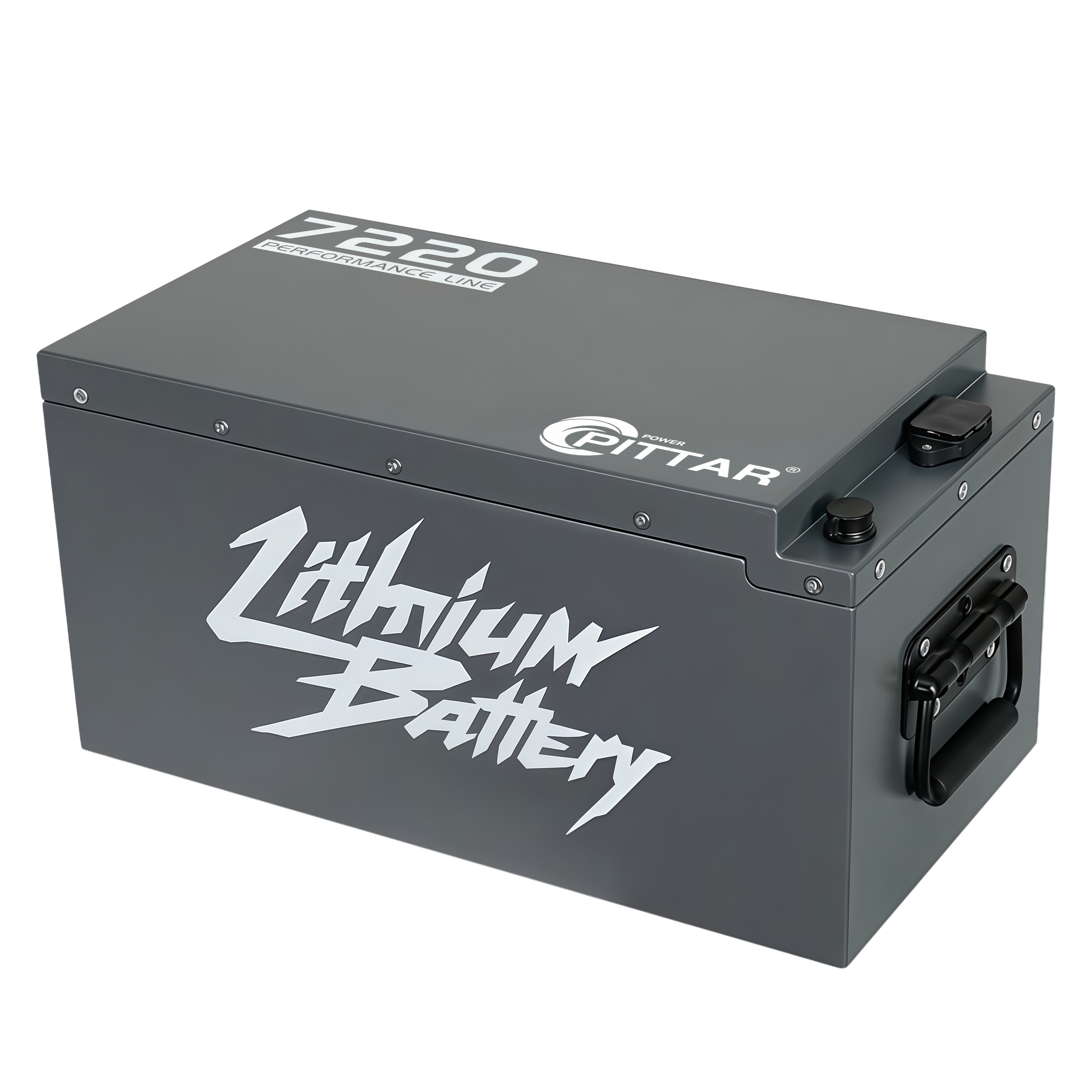
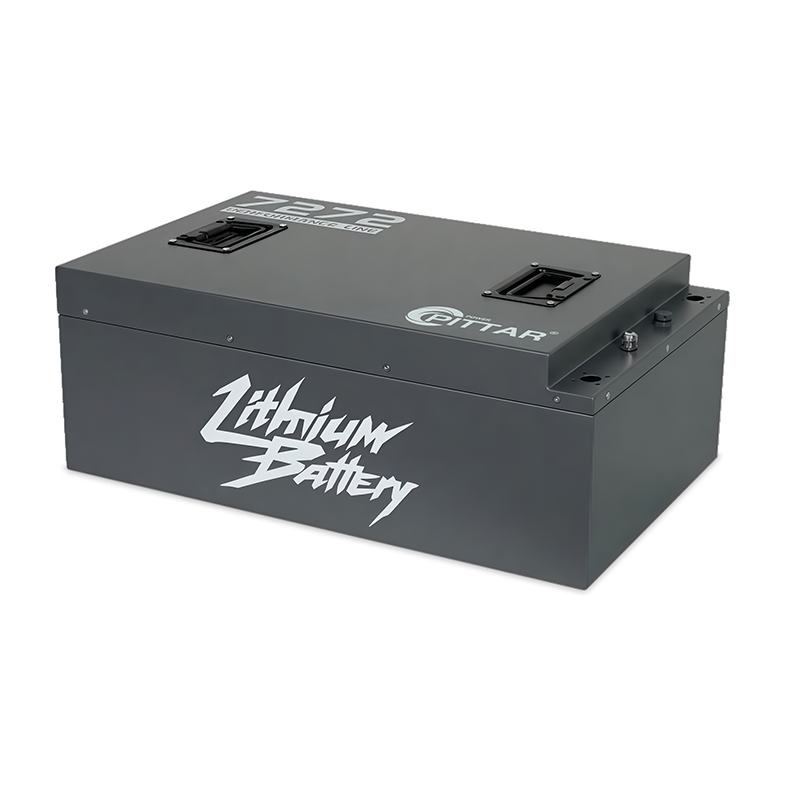
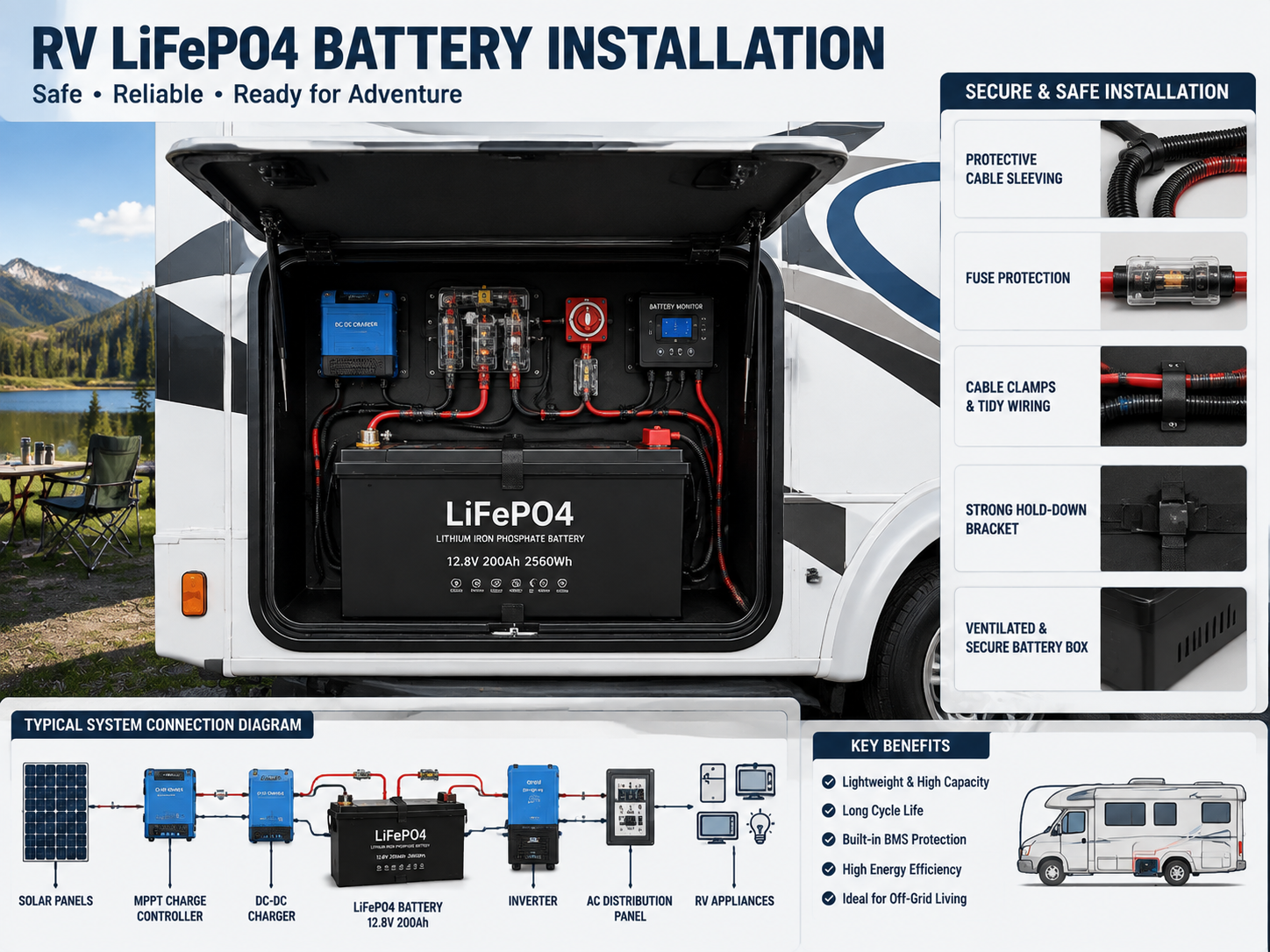
Weight and physical dimensions. Battery placement affects payload, axle loading, installation layout, cable routing, ventilation, and service access. A lighter battery can create useful payload margin, but physical size, terminal orientation, mounting points, and safe clearances still determine whether it fits the compartment. A battery that cannot be mounted securely is not a suitable RV battery regardless of its electrical specification.
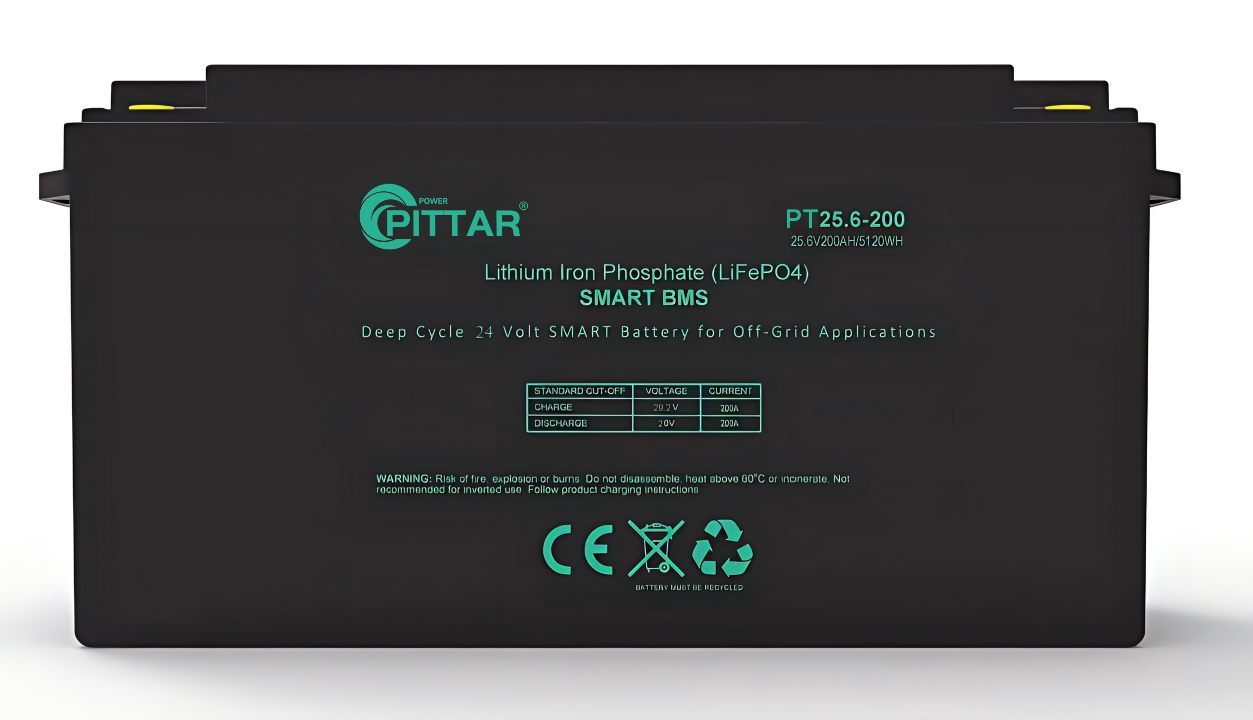
Usable capacity. RV owners often compare batteries in Ah, but energy is better understood in kWh. Voltage and capacity must be considered together. A 12.8V 100Ah battery stores about 1.28kWh, while a 25.6V 100Ah battery stores about 2.56kWh. Usable energy after reserve settings, temperature effects, and inverter losses determines practical runtime.
Continuous discharge capability. The battery must supply the current required by DC loads and the inverter. A modest battery may operate lights, a water pump, and a compressor fridge without difficulty, but a high-power inverter load can approach the BMS current limit quickly. Continuous current should be checked against the planned load, not only battery capacity.
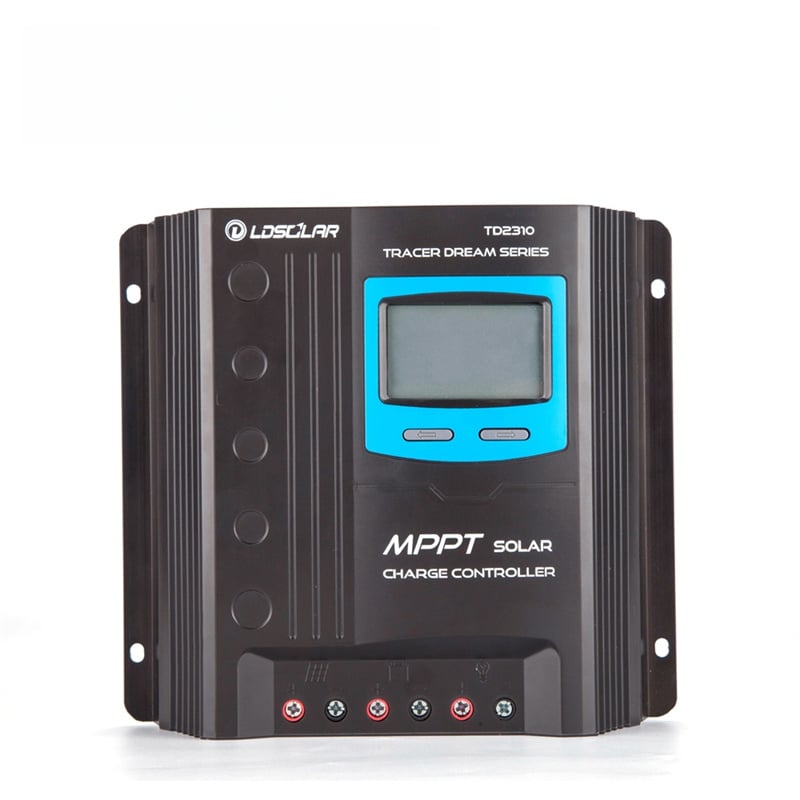
Charging performance. RV batteries may be charged from solar panels, shore power, a generator, or the vehicle alternator. Each source needs a compatible charging profile and adequate wiring. A battery that accepts solar charge efficiently still needs the right MPPT controller. A battery that can charge from an alternator may require a suitable DC-to-DC charger to control current and voltage.
Cycle life and maintenance. RVs can operate seasonally, full time, or only on weekends. A battery used daily in an off-grid travel schedule experiences a different duty cycle from one stored through winter. Lithium systems reduce routine maintenance compared with fiooded lead-acid batteries, but they still require monitoring, correct charge settings, secure connections, and appropriate storage conditions.
Safety features. A BMS should protect the battery against unsafe voltage, current, temperature, and short-circuit conditions. Buyers should also review enclosure construction, mounting, cable protection, fusing, charger configuration, and response to low-temperature charging limits.
RV Selection Factor |
Why It Matters on the Road |
Physical size and mounting |
Determines fit, service access, and safe vibration resistance |
Weight |
Affects payload and vehicle loading margin |
Usable kWh |
Determines duration for real loads |
Continuous and peak current |
Determines whether inverter loads can operate |
Charge-source compatibility |
Determines recovery from solar, shore power, alternator, or generator |
BMS protection |
Sets operating limits and fault behavior |
Temperature range |
Affects charge/discharge performance in seasonal travel |
__________________________________________________________________________________________________
Why LiFePO4 Batteries Are Commonly Used in RVs
LiFePO4 is commonly used in RVs because mobile power systems reward usable energy, low weight, charge acceptance, and reduced maintenance. These are practical operating advantages, not marketing labels.
Energy density and usable capacity. RV owners work with limited compartment volume and payload. A battery chemistry that provides more usable energy for the installed weight can make a difference when the system must support refrigeration, lighting, communications, water pumping, laptop work, and selected inverter loads. The relevant comparison is not nominal Ah a lone; it is usable energy at the RV’ s system voltage and operating limits.
Cycle performance. A travel vehicle with solar charging may cycle its battery regularly. LiFePO4 can be a strong fit for repeated charge-discharge use when depth of discharge, current, temperature, and charging behavior stay within the manufacturer’ s specifications. The practical value is less frequent battery replacement in higher-use applications, but buyers should compare cycle claims only when the test conditions are disclosed.
For a detailed discussion of service life under real operating conditions, see [How Long Does a Lithium Battery Last?] .
Weight advantage relative to lead-acid. Replacing a large lead-acid bank can reduce system weight, which may improve payload fiexibility. The project still needs an axle-load review. Moving weight from one compartment to another can affect vehicle balance, so the installation should be assessed as a vehicle system, not only as a battery swap.
Maintenance requirements. LiFePO4 does not require electrolyte watering or equalization practices associated with fiooded lead-acid batteries. The maintenance focus shifts to BMS alarms, battery state of charge, charger behavior, terminal condition, mounting integrity, and seasonal storage planning.
Thermal and safety characteristics. LiFePO4 is frequently selected for stationary and mobile energy storage because of its
thermal characteristics. It still requires an appropriate BMS, correctly configured chargers, protected cabling, secure mounting, and respect for low-temperature charging limits. A chemistry choice does not override poor installation practice.
For a fuller explanation of lithium battery technology, see [What Is a Lithium Battery?] .
__________________________________________________________________________________________________
How Much Battery Capacity Does an RV Need?
Capacity should be calculated from actual energy use rather than a generic RV class. Start by listing the DC and AC loads the battery is expected to support, then estimate the hours each load operates between charging opportunities.
A useful relationship is:
Battery energy in kWh = Voltage × Ah ÷ 1000
This equation explains why voltage matters. A 12.8V 100Ah battery stores roughly 1.28kWh. A 24V 100Ah battery stores roughly twice that energy. When a buyer compares two batteries with identical Ah labels but different voltage, they are not comparing equal energy storage.
Small weekend RV. A compact trailer that runs LED lighting, a water pump, phone charging, a compressor fridge, and a vent fan may need a modest battery bank. The design priority is often compact size, 12V compatibility, solar recovery, and enough usable energy for overnight loads.
Typical camping setup. A larger travel trailer or camper van may add a TV, laptop work, router, microwave use, coffee maker, and a larger inverter. The system needs more usable kWh, but it also needs enough continuous and peak current to support the inverter without BMS limitation.
High-power RV setup. A motorhome or high-end trailer may include high-output inverter loads, multiple refrigeration circuits, water pumps, residential appliances, and air-conditioning demand. These systems require a careful power-duration analysis. More battery capacity may extend runtime, but it does not automatically make an air conditioner or electric heating load practical without sufficient inverter, BMS, charging, and thermal capacity.
RV Use Profile |
Typical Load Pattern |
Capacity Decision Focus |
Weekend trailer |
DC lighting, fan, fridge, water pump, devices |
Compact usable kWh and solar recharge |
Camping / remote- work RV |
Fridge, router, laptops, TV, short inverter loads |
Usable energy plus inverter current capability |
Extended off grid travel |
Daily cycling, refrigeration, water, communications |
Solar harvest, charging recovery, expansion |
High-power |
Larger inverter loads and possible HVAC |
Power, surge, alternator/shore/solar |
motorhome |
demand |
charge plan |
Capacity calculation should include usable depth of discharge, inverter efficiency, reserve settings, temperature, and the time between charging opportunities. A battery bank that supports overnight use may not support two cloudy days of off-grid travel without a larger solar array, generator charging, driving, or load restrictions.
__________________________________________________________________________________________________
12V vs 24V vs 48V RV Battery Systems
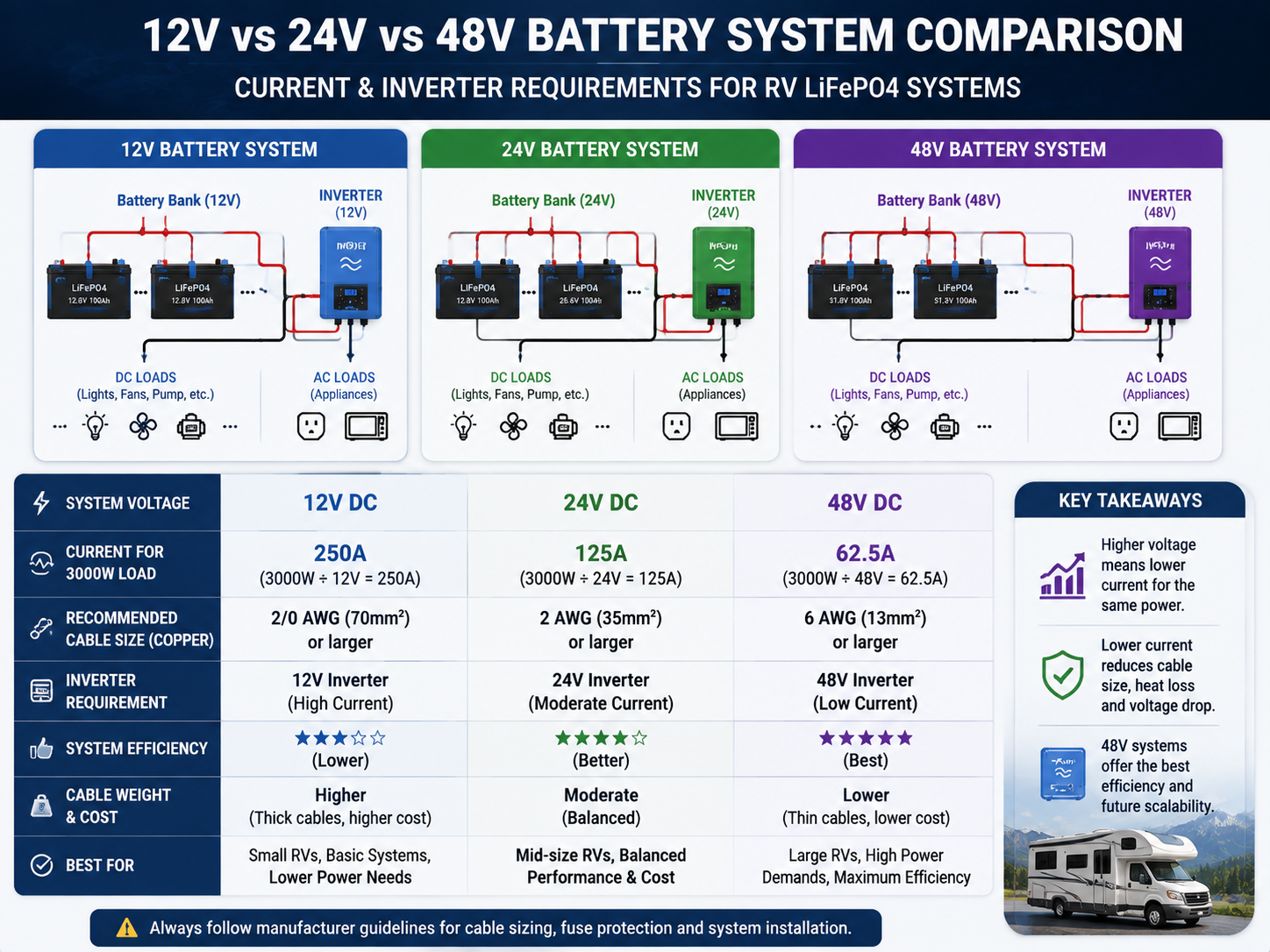
RV battery voltage should match the existing electrical architecture before any battery is selected. Voltage affects current, cable size, inverter options, charging equipment, fault protection, and expansion approach.
12V systems are common in RVs because many existing house loads--lighting, water pumps, fans, refrigerators, controls, and accessories__operate at 12V DC. They can be straightforward for small and medium systems, but higher-power inverter loads draw high current at 12V. As current rises, cable size, connection quality, fusing, and voltage drop become more critical.
24V systems can reduce current for the same power demand and may suit larger RV or mobile power platforms. They can be useful where inverter loads exceed the practical current range of a 12V bank. The decision requires compatible DC loads, DC-DC conversion where needed, chargers, solar controllers, and alternator charging equipment.
48V systems are more common where the vehicle has a substantial inverter and energy-storage requirement. Higher voltage reduces current for a given power level, which can simplify some cable and inverter considerations. It also requires a clear plan for supplying legacy 12V house loads through properly designed DC-DC conversion.
System Voltage |
Practical Use Case |
Main Review Point |
12V |
Standard RV house loads, smaller inverter systems |
High current at larger inverter power |
24V |
Larger mobile systems and moderate inverter loads |
Compatibility with 12V appliances and chargers |
48V |
High-power inverter or large mobile storage platform |
DC-DC strategy and complete system integration |
No voltage is universally correct. Buyers should first map the RV’ s existing loads, inverter, solar controller, shore charger, alternator charging, and future power targets. Changing voltage architecture can create benefits but may also require changes across multiple components.
__________________________________________________________________________________________________
What Can an RV Lithium Battery Power?
An RV lithium battery can support a wide range of loads, but each load has both an energy requirement and a power requirement. These should be treated separately.
Energy capacity determines how long a load can run. A fridge, router, LED lights, and laptop may consume moderate energy over many hours. Power output determines whether the system can run a high-demand appliance at a given moment. A microwave, coffee maker, induction cooktop, or air conditioner can require substantial inverter power and battery current even if it runs for a short period.
RV Load |
Main Battery-System Question |
LED lighting |
Low power, often driven by total nightly energy use |
Compressor refrigerator |
Daily energy plus compressor surge |
Water pump |
Short runtime but motor-starting current |
Router and laptop |
Modest power, potentially long runtime |
TV |
Moderate power, depends on usage duration |
Microwave |
High inverter power for short use |
Coffee maker |
High power and battery current for short use |
Air conditioner |
Large continuous demand, start surge, and high energy use |
A battery may have enough stored energy to run a microwave for several minutes but still be unable to do so if the inverter is undersized or the BMS current limit is too low. The same principle applies to air conditioning. Running an RV air conditioner from battery power requires a system designed for that specific load: battery capacity, inverter output, surge performance, cable sizing, thermal management, and recharge plan all matter.
An effective RV power design creates a load hierarchy. Essential DC loads remain available, discretionary inverter loads are used selectively, and high-demand loads are managed according to state of charge and charging opportunity. This operating plan often provides more real-world value than selecting a larger battery without changing the load strategy.
__________________________________________________________________________________________________
How to Choose the Right Lithium Battery for an RV
A buyer should use specifications to eliminate unsuitable options before comparing price. The following framework is useful for individual owners and commercial procurement teams.
1. Battery voltage. Confi rm whether the RV uses 12V, 24V, or 48V storage and whether a change in architecture is justified. Check the inverter, solar controller, shore charger, alternator charging path, and DC loads.
2. Capacity. Convertvoltage andAh into kWh, then estimate usable energy after reserve and system losses. Match the capacityto real load use and charging opportunities rather than a desired number of days without a recharge plan.
3. Continuous discharge current. Check the current required by the inverter and DC loads during normal operation. Thebattery BMS must support that current without repeated limiting or overheating.
4. Peak discharge capability. Review motor starts and short high-power loads. Compressor refrigerators, pumps, microwaveuse, and air-conditioning can create peak events that exceed normal demand.
5. BMS protection. Review overcharge, over-discharge, overcurrent, short-circuit, and temperature protection, along withalarm and communication capability. For fieet, dealer, or rental applications, remote monitoring can be especiallyvaluable.
6. Charging requirements. Confirm compatibility with solar MPPT controllers, shore chargers, generator chargers, and alternator/DC-to-DC systems. Incorrect charge settings can cause poor performance, nuisance protection events, or shortenedbattery life.
7. Physical dimensions. Measure the compartment, cable routing, mounting points, service clearance, and ventilation. Include the space required for fuses, disconnects, shunts, monitoring hardware, and cable bend radius.
8. Weight. Review battery weight and final placement against vehicle payload and axle distribution. Weight reduction has value only if the fi nal installation remains mechanically balanced and secure.
9. Operating temperature. Check charging and discharging temperature limits. Cold-weather travelers may need low- temperature charge protection, insulated placement, or heated battery options depending on travel conditions.
10. Expansion capability. Confi rm parallel rules, module matching, total current, charger capacity, inverter capacity, and physical space before assuming the system can grow later.
11. Warranty and technical support. For dealers and commercial buyers, examine warranty scope, cycle or capacity
conditions, documentation, diagnostics, local service process, and spare availability. The support model can be as important as the battery specification.
For a deeper explanation of LiFePO4 cycle-life considerations, see [How Many Cycles Can a LiFePO4 Battery Provide?] .
__________________________________________________________________________________________________
Lithium Battery vs Lead Acid Battery for RV Use
Lead-acid, AGM, gel, and lithium batteries can all serve RV applications. The best choice depends on travel pattern, budget, expected cycling, charging equipment, maintenance capacity, and vehicle constraints.
Decision Factor |
LiFePO4 Lithium Battery |
Lead-Acid / AGM / Gel Battery |
Weight |
Lower for comparable usable energy |
Higher, affecting payload and handling |
Usable capacity |
Often higher at comparable nominal rating |
Lower recommended DoD for long life |
Cycle life |
Often stronger in frequent cycling |
More sensitive to repeated deep discharge |
Charging efficiency |
Often higher within approved limits |
Usually lower, slower near full charge |
Maintenance |
Monitoring, connection checks, charger settings |
Flooded requires more physical maintenance; sealed types need correct profiles |
Installation |
Compact energy storage but requires BMS-compatible system |
Larger/heavier bank, ventilation considerations vary |
Long-term ownership cost |
Can be favorable in high-use systems |
May suit budget or low-cycle applications |
The higher initial cost of lithium may make sense when the RV cycles frequently, payload matters, solar recovery is limited, battery compartment space is tight, or maintenance access is inconvenient. A low-cycle seasonal RV with existing lead-acid equipment and a strict capital budget may still choose a traditional battery technology. The decision should be made from usage and lifecycle cost, not chemistry preference alone.
__________________________________________________________________________________________________
Common Mistakes When Choosing an RV Lithium Battery
Choosing only based on Ah. Ah does not show energy unless voltage is included. Compare usable kWh at the intended system voltage and operating limits.
Ignoring inverter power. A battery may store adequate energy but still be unable to supply a microwave, coffee maker, induction appliance, or air conditioner if inverter power, BMS current, or peak discharge capability is inadequate.
Ignoring charging compatibility. Shore chargers, solar controllers, alternator charging paths, and generator chargers need compatible lithium settings. A vehicle alternator may require a correctly selected DC-to-DC charger rather than direct connection to a large lithium bank.
Buying a battery that does not physically fit. Measure enclosure dimensions, terminal access, cable paths, ventilation, mounting, and service clearance. In an RV, a poor mechanical fit can create reliability and safety issues even if electrical specifications are correct.
Ignoring low-temperature charging requirements. Some lithium batteries should not charge below their approved temperature limit. Cold-weather travel requires a plan for protection, heating, insulated placement, or charge-source control.
Selecting based only on initial price. Compare usable energy, cycle behavior, installation work, charging upgrades, support, warranty, maintenance, and replacement cost. The lowest battery price may not be the lowest operating cost.
Not planning future expansion. An RV may later add solar panels, an inverter, a larger refrigerator, air-conditioning support, more electronics, or a second battery. Confi rm expansion rules, charger capacity, current limits, and available space early.
__________________________________________________________________________________________________
Frequently Asked Questions
What size lithium battery is best for an RV? The suitable size depends on daily energy use, desired runtime, charging opportunities, system voltage, inverter loads, and available installation space. Start with a load schedule, calculate usable kWh, then verify continuous and peak power requirements.
Is LiFePO4 good for RV use? LiFePO4 is widely used in RV systems because it can provide usable capacity, cycle performance, lower weight, and reduced maintenance. Final suitability depends on charging compatibility, temperature, physical installation, and the RV’ s real load profile.
How long can an RV lithium battery last? Service life depends on cycle frequency, depth of discharge, temperature, chargebehavior, BMS limits, storage conditions, and installation quality. Review manufacturer cycle-test conditions and warrantyterms rather than relying on a general lifespan claim.
Can a lithium battery run an RV air conditioner? It can, but only when the battery bank, BMS, inverter, surge capability, cabling, and recharge plan are designed for the air conditioner’s demand.A modest RV battery system should not be assumed to run air conditioning for extended periods.
Can an RV lithium battery be charged with solar panels? Yes. Solar panels can charge an RV lithium battery through a compatible charge controller with the correct lithium profile. Panel capacity, controller limits, battery voltage, weather, and energy use determine how much practical recovery is achieved.
Can I replace my lead acid RV battery with lithium? Oftenyes, but buyers shouldverify charger settings, solar controller profile, alternator charging path, inverter limits, low-temperature protection, cable size, fusing, physical fit, and manufacturer compatibility before replacement.
__________________________________________________________________________________________________
RV Lithium Battery Buyer Checklist
Before selecting an RV lithium battery system, confi rm the following:
The right RV battery decision is a system decision. When voltage, usable energy, inverter power, charge sources, mechanical installation, temperature, and operating strategy are aligned, a lithium battery can support a dependable mobile power system without relying on optimistic runtime claims.
 Hot News
2026-10-30
2026-10-26
2026-10-22
2026-10-14
2026-10-07
2026-10-02

Pittar Power is a professional manufacturer specializing inenergy storage solutions.
Room 302, Building 1, No. 10, Huangjin First Road, Nancheng District, Dongguan City, Guangdong Province, China
Copyright © Shenzhen Pittar Power Co., Ltd. All Rights Reserved Privacy Policy
 EN